Escalating Tensions in the Middle East Threaten Asian Energy Supply Chains
Recent geopolitical instability in the Persian Gulf region is raising serious concerns about the stability of global energy supplies, particularly for economies across the Asia Pacific. Disruptions stemming from conflict in the area have severely impacted major shipping lanes, creating a potential crisis for energy-dependent nations. Authorities are noting that the flow of crude oil and liquefied natural gas, which typically utilizes vital chokepoints, is being significantly curtailed.
The Asia Pacific region, which relies heavily on imported energy, is particularly vulnerable to these disruptions. One of the primary routes for global energy transit is facing substantial operational constraints. This bottleneck poses a direct threat to the consistent and affordable supply of fuel and refined petroleum products necessary to keep major regional economies functioning. In response, regional leaders and allied nations are accelerating efforts to secure diversified energy sources and solidify strategic partnerships.
Implications for Regional Stability and Trade
The challenges presented by these maritime disruptions extend beyond simple supply shortages; they represent a significant risk to regional economic stability. Because a substantial portion of the energy passing through the affected area is destined for Asia, the impact on industrial output, transportation, and overall commerce is projected to be severe. Maintaining robust energy supplies is paramount, leading countries to prioritize bilateral agreements and cooperative initiatives aimed at insulating their economies from volatile international hotspots.
In a tangible effort to bolster resilience, nations are moving to lock down supply chains for essential raw materials. Beyond just oil, the focus is broadening to include critical minerals—such as rare earths, nickel, and gallium. Collaborative agreements are being formed to ensure that vital resources needed for modern technology and energy infrastructure remain accessible, thereby building a more diversified and secure regional industrial base.
Strengthening Alliances for Energy Self-Sufficiency
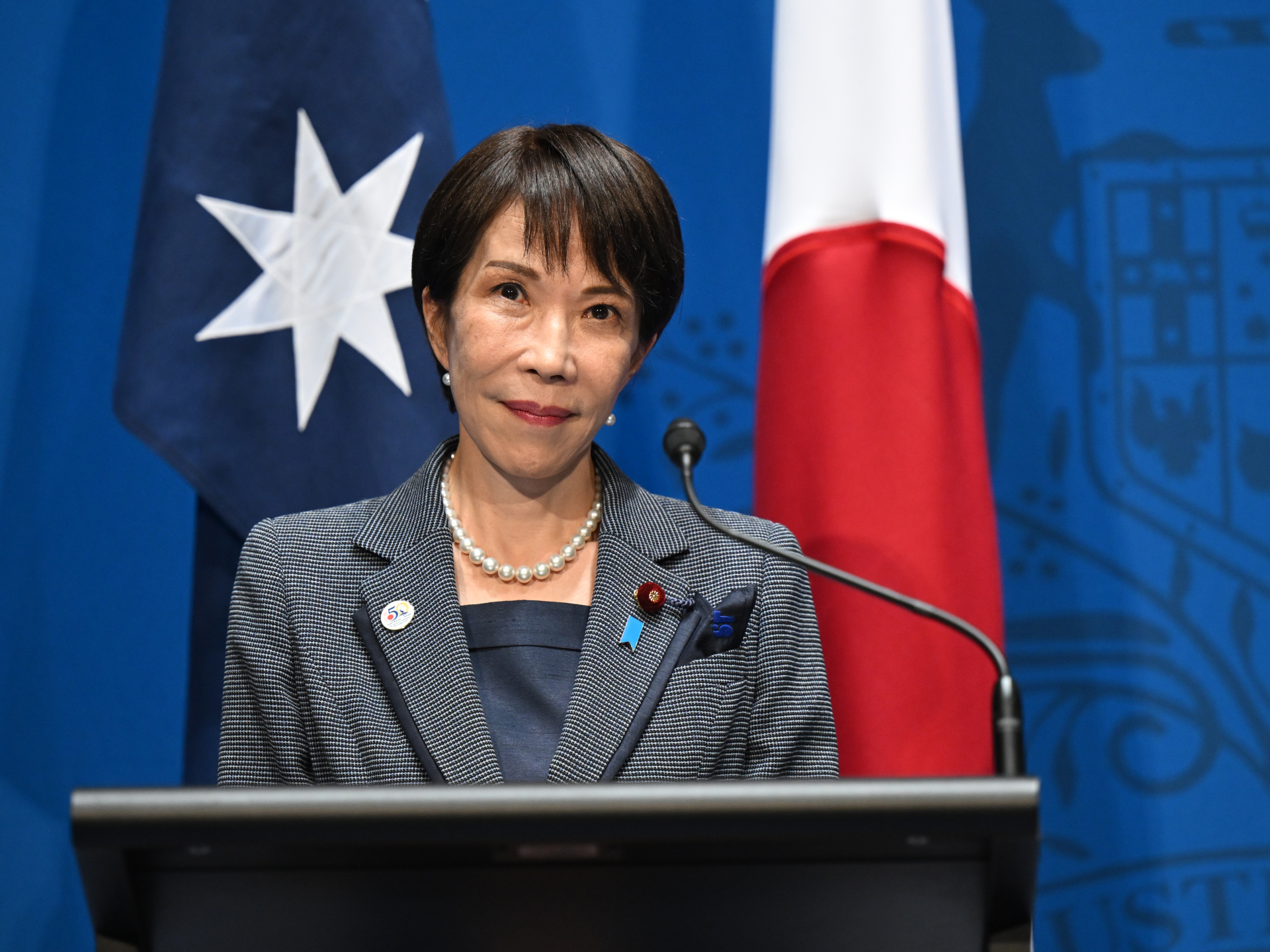
The current environment has prompted an increased emphasis on deepening security and economic ties between key partners. Through joint declarations, nations are formalizing plans to cooperate across multiple sectors, including energy procurement, trade facilitation, and defense. These coordinated efforts signal a strategic pivot toward building energy resilience through deepened international partnerships. By committing to pooling resources and coordinating policy responses, the goal is to mitigate the systemic risks posed by external geopolitical volatility and foster a more secure economic outlook for the region.
This increased focus on cooperation suggests a long-term trend where energy security is viewed not just as a matter of pipelines and tankers, but as an integral component of broader diplomatic and economic alliances. The commitment to bolster these partnerships reflects a collective recognition of the vulnerability inherent in globalized supply chains when major maritime arteries are compromised.
About the Author




