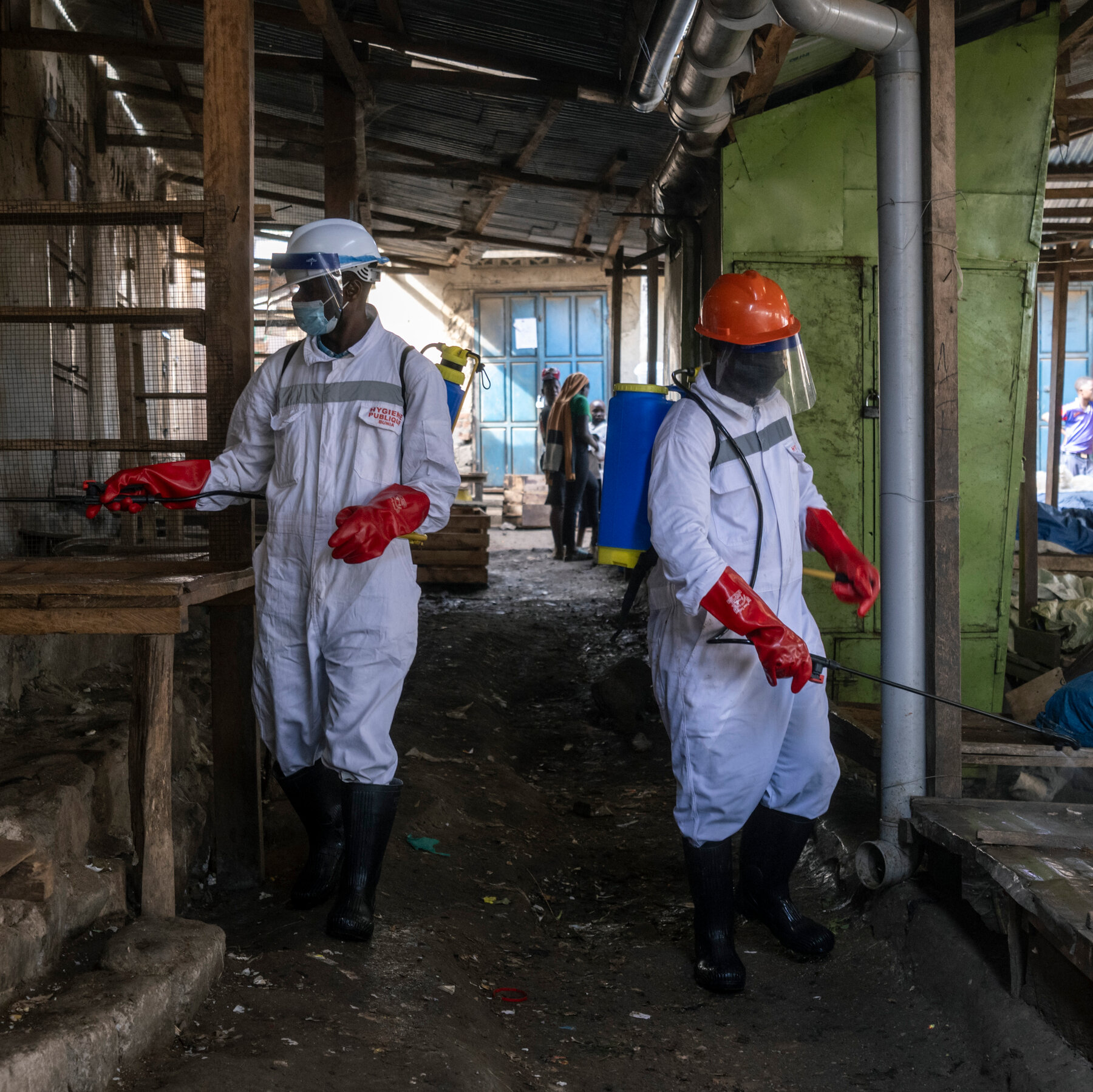
Urgent Mobilization Underway as Ebola Threat Escalates in Congo
Health authorities are mounting a significant and rapidly developing response to the ongoing Ebola outbreak in the Democratic Republic of Congo. For several months, the spread of the highly infectious virus has created a severe public health emergency across the region. Initial efforts to contain the contagion appear to have lagged, leading to alarm over the virus’s persistent transmission patterns. However, the international and local response mechanism is now gaining considerable momentum, suggesting a concerted effort to stabilize the situation.
The coordination required to manage an outbreak of this severity is massive, demanding resources across epidemiology, logistics, and community engagement. Observers note that while the spread has been alarming, the recent structuring of the response indicates a shift from reactive measures to more proactive, strategic interventions. These new protocols aim to build stronger containment lines and improve overall public health infrastructure in affected zones.
Significance for Regional Stability and Public Health
The evolving situation carries profound implications beyond immediate medical response. Sustained outbreaks of hemorrhagic fevers like Ebola place immense strain on already fragile healthcare systems. Effective containment is not merely a medical priority but a matter of regional stability. Successful management requires not only the deployment of advanced medical countermeasures but also the deep trust and cooperation of local populations, who are vital to tracing contacts and supporting surveillance efforts.
Furthermore, the current focus underscores the critical need for robust emergency preparedness frameworks in endemic or high-risk areas. The speed and scale of the international effort suggest a recognition that the virus’s lethality and transmission potential demand a globally coordinated playbook, moving beyond ad-hoc measures to systematic, durable public health defenses.
Context of Outbreak Management
Managing an Ebola epidemic in a complex setting like the Congo requires overcoming significant operational hurdles. Historically, challenges have included porous borders, limited access to remote populations, and logistical difficulties in transporting specialized medical teams and supplies. Therefore, the renewed push to strengthen protocols reflects an effort to directly address these systemic weaknesses.
According to reports detailing the operational tempo, modern outbreak management incorporates intensive contact tracing paired with rigorous vaccination campaigns, where applicable. The emerging structure emphasizes community involvement, integrating traditional health structures with modern biomedical science. This comprehensive approach signals a maturing understanding of how such deadly pathogens must be contained—by addressing the social determinants of health alongside the viral threat itself.
About the Author




