Charting a Course for Tomorrow: Guyana Marks Six Decades of Independence with a Call for Unity
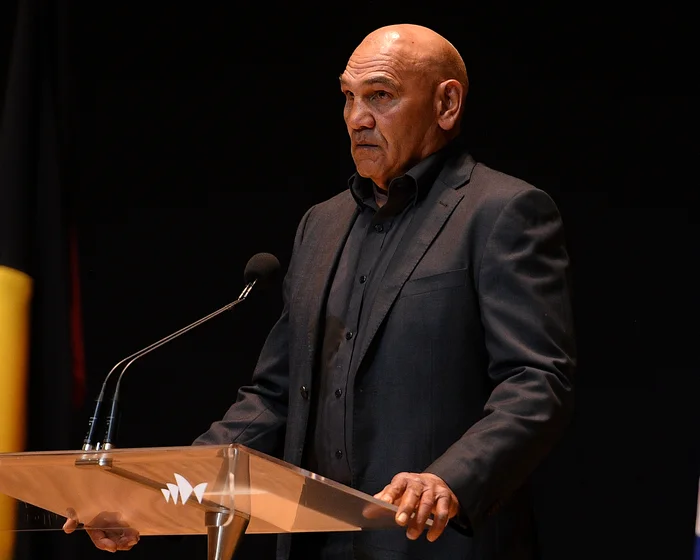
As Guyana pauses to commemorate its sixtieth anniversary of achieving independence, the national focus has shifted toward articulating a unified vision for the future. The Head of State recently addressed the nation during a significant observance service, emphasizing that the milestone should serve not as a conclusion, but as a powerful launching point for collective national advancement. The core message delivered was a direct appeal to every citizen to move forward together, underpinned by shared values of unity, profound faith, and inherent human dignity.
Reflecting on the six decades that have passed since nationhood, the address highlighted the tremendous journey undertaken by the Guyanese people. However, the focus remained firmly on the path ahead. The President stressed that the period of reflection must translate into tangible, collaborative action across all sectors of society. This requires moving past historical divisions and focusing instead on constructing a shared destiny that benefits every resident of the country.
The Significance of Collective National Spirit
The emphasis placed on ‘rising together’ underscores a strategic national understanding: that sustained development is impossible without social cohesion. The anniversary celebration, therefore, was framed less as a mere commemoration and more as a national recommitment. Official remarks pointed to the necessity of internal solidarity—a deep-seated belief in the collective capacity to overcome future challenges. This spirit of mutual reliance is presented as the most vital resource for Guyana’s ongoing economic and social maturation.
Looking Forward: Pillars for Progress
The guidance provided suggests that the principles of faith and dignity are meant to be operational guidelines for governance and community life. Faith, in this context, appears to extend beyond the purely religious, suggesting a foundational trust in national institutions and one another. Similarly, dignity implies upholding the rights and inherent worth of every individual citizen, ensuring that progress is equitable and inclusive. The expectation set is that these core values must guide policy-making, economic endeavors, and interpersonal relations moving forward.
Contextualizing the Milestone
Reaching the sixty-year mark represents a significant checkpoint in the country’s post-colonial history. Such major anniversaries typically prompt deep reviews of national strategies, resource allocation, and civic priorities. By making this appeal, national leaders are effectively setting a benchmark for accountability and shared ownership of the national project. It implies that while past achievements are celebrated, the momentum must now be directed toward solving emerging challenges and realizing the full potential inherent in the nation’s natural and human capital.
About the Author