Rising Security Concerns Over Drone Activity Near Romanian Borders
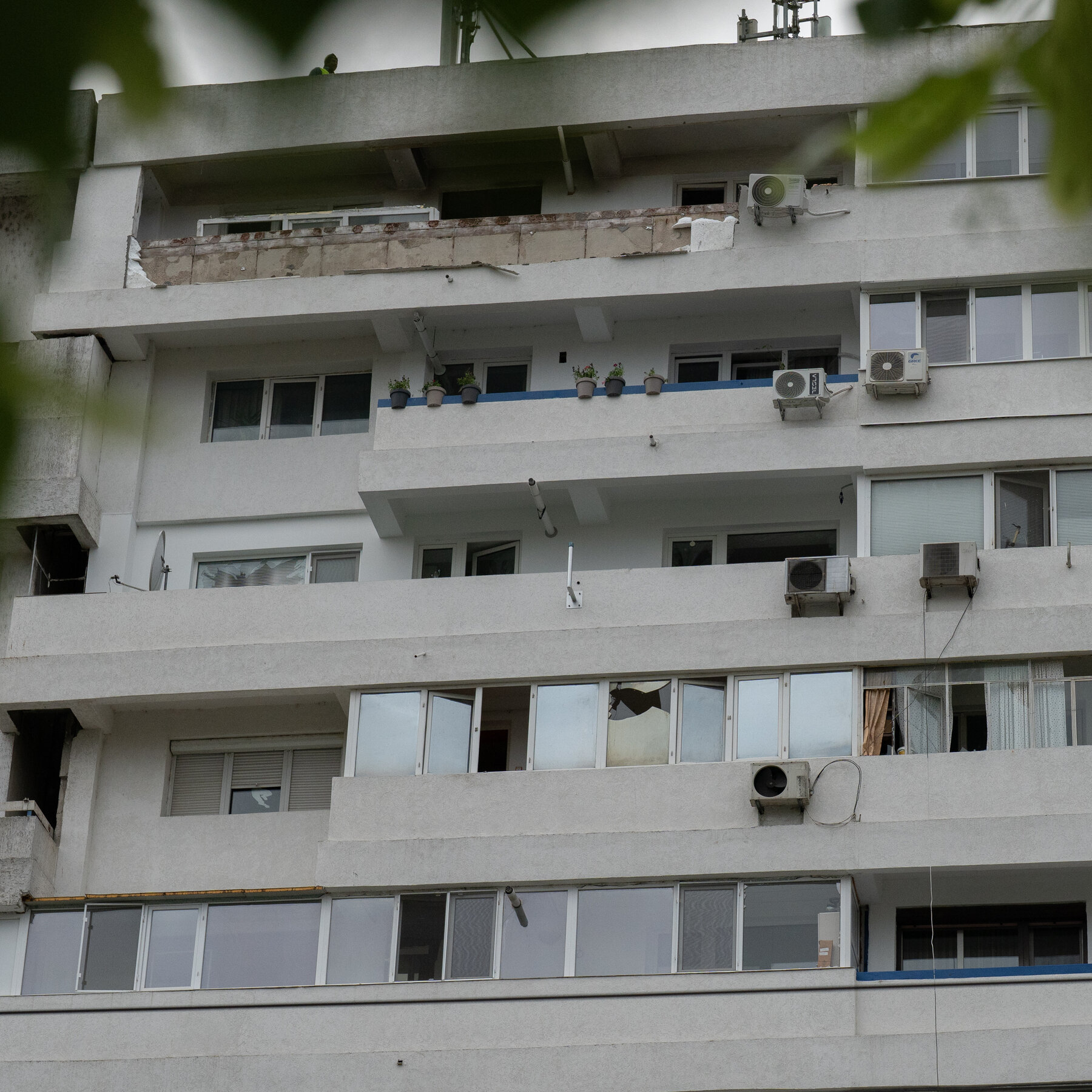
The recent incidents involving unauthorized drone incursions near Romania’s territory signal a noticeable escalation in regional security concerns. While a specific recent attack near the border was reported, resulting in civilian injuries, the pattern suggests that incursions from nearby conflict zones are becoming a persistent and developing hazard. Authorities are increasingly monitoring the airspace due to the growing frequency and nature of these aerial incursions, which pose tangible risks to civilian populations and critical infrastructure.
These airspace intrusions are prompting a reassessment of national border security protocols. The passage of Unidentified Aerial Vehicles (UAVs), particularly those associated with ongoing geopolitical conflicts, introduces complex challenges. Beyond the immediate danger posed by accidental strikes or direct hostile action, there is a greater underlying issue concerning surveillance, potential misuse, and the overall disruption to routine life in border regions. Expert analysis suggests that the threat is not merely episodic but reflects a sustained pattern of instability emanating from adjacent theaters of conflict.
Understanding the Significance of Airspace Violations
The implications of these drone crossings extend far beyond the immediate physical danger. From a national security perspective, repeated airspace violations necessitate a significant mobilization of defensive and monitoring resources. For the populace, the threat translates into heightened anxiety and the need for constant vigilance. The incidents serve as a stark reminder of how geopolitical instability can quickly translate into direct, tangible risks for neighboring civilian communities.
The nature of these devices—unmanned aerial systems—means that interception and mitigation require advanced technological capabilities and rapid decision-making by military and civilian authorities alike. The consistent presence of this threat compels continuous adjustments in border defense strategy, moving from reactive responses to more proactive, layered defense mechanisms that secure the national airspace overhead.
Regional Context and Security Posture
The general environment in Eastern Europe continues to be one of elevated tension. The proximity of nations bordering active conflict zones means that border security cannot be treated in isolation. Officials are responding to this evolving threat landscape by coordinating efforts to enhance early warning systems and improve the interception readiness of air defense units. The focus is on maintaining robust protective measures to safeguard both military assets and the general citizenry from unpredictable aerial threats originating from beyond established boundaries.
This ongoing situation underscores the critical need for elevated preparedness across all levels of governance. The cumulative effect of these intrusions necessitates a unified, multi-agency response, ensuring that border defenses remain adaptable to the increasing complexity and potential danger presented by unauthorized aerial traffic.
About the Author




