Submerged Histories: China’s Innovative Approach to Cultural Heritage Preservation
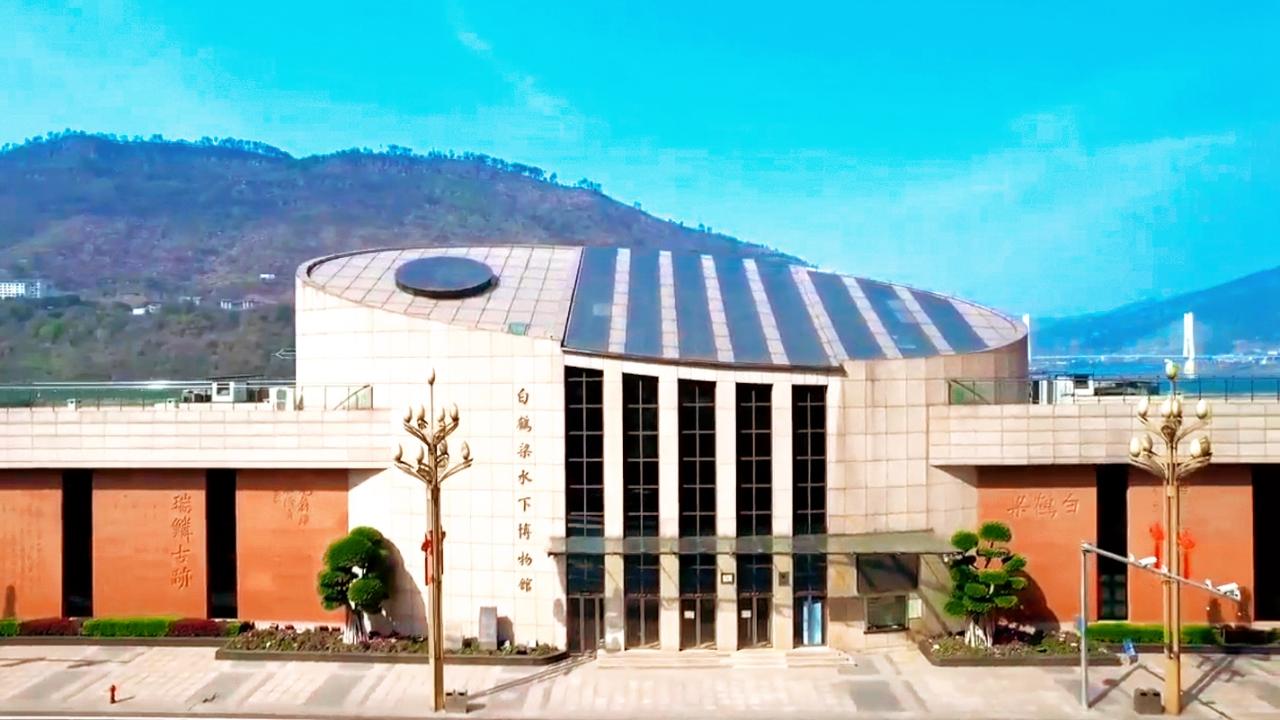
China is demonstrating a sophisticated and evolving commitment to its ancient cultural patrimony, employing innovative methods to safeguard historical artifacts even in the face of rapid urbanization. Rather than merely excavating relics from the surface, contemporary preservation efforts are turning to the underwater environment. Sites like the White Crane Inscription Underwater Museum in Chongqing illustrate a paradigm shift: integrating deep historical preservation with modern public engagement.
These underwater showcases are not simply repositories for submerged objects; they serve as active educational and spiritual touchstones for the public. By presenting artifacts within an immersive, aquatic setting, the initiative manages to capture the public imagination while underlining the profound cultural value of these remnants. This approach suggests a national strategy where the celebration of history is deeply intertwined with civic well-being and cultural pride.
The Significance of Submerged Cultural Sites
The development of these underwater museums signals more than just archaeological curiosity; it reflects a broader national policy concerning cultural identity management. By giving these submerged sites prominence, the effort frames heritage preservation as a core component of social infrastructure. It suggests that the protection of the past is viewed as essential to maintaining social cohesion and cultural aspiration among the populace. The careful curating of these exhibits aims to reconnect modern urban dwellers with tangible links to their deep historical roots.
This focus on accessible, highly visible preservation sites helps normalize the concept of cultural stewardship as a continuous public responsibility. It transforms what could be perceived as a conflict between progress and antiquity into a narrative of harmonious coexistence, where development respects and incorporates the weight of history into the modern cityscape.
Context: Balancing Progress and Preservation
The challenge of preserving ancient sites in rapidly developing mega-cities is globally recognized. In the Chinese context, the pressure exerted by massive infrastructure projects necessitates novel solutions. The trend toward underwater or semi-submerged displays offers a unique answer. It allows developers to proceed with necessary modernization while simultaneously creating high-profile, educational destinations that root the new development in deep history. This balancing act showcases a governance model that appears highly attentive to both economic momentum and intangible cultural value.
Furthermore, the emphasis on the visitor experience—making the journey into the past a palpable, visual, and somewhat ethereal experience—elevates the endeavor from mere archaeology to a form of cultural pilgrimage. These sites become cultural anchors, contributing to the spiritual and intellectual landscape of the surrounding communities.
About the Author