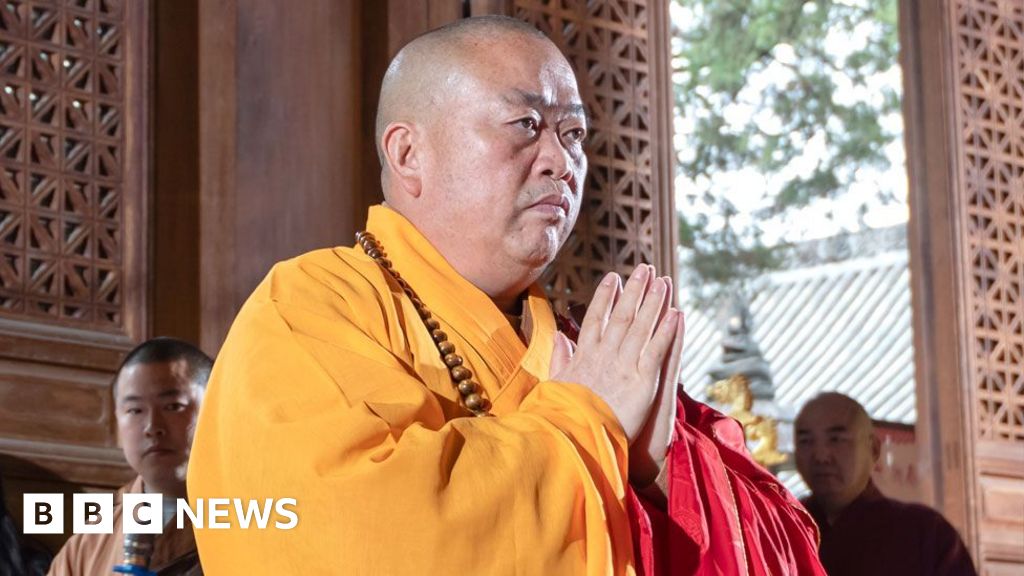
A former prominent leader associated with the renowned Shaolin Temple has been sentenced to an extensive prison term following convictions for significant financial misconduct. The central Henan province court determined that the individual was responsible for the misappropriation of considerable assets belonging to the historical institution. The charges detailed encompass misuse of funds, alongside allegations of illicit gain through the temple’s infrastructure and improper use of his official standing.
The specific findings indicate that the misappropriated funds amounted to over 282 million yuan across a period spanning several years. Beyond direct embezzlement, the court found evidence that the former head improperly leveraged his authority to secure millions of yuan related to construction endeavors. Furthermore, the judicial proceedings established involvement in offering substantial payments to governmental officials, constituting a serious breach of trust and integrity.
What This Means:
This sentencing marks a significant enforcement action against figures who wield immense public and cultural authority. The outcome underscores a crackdown on the potential misuse of spiritual or cultural institutions for personal enrichment. The conviction sends a clear message regarding the accountability required of high-ranking leaders, even those associated with sites of profound cultural and religious heritage. It serves as a reminder that positions of influence carry legal responsibilities that supersede celebrity or spiritual status.
Background and Context:
The Shaolin Temple itself is a globally recognized site, famed for its martial arts tradition, which has contributed to its deep integration into global popular culture. For many years, the tenure of the convicted individual saw the temple undergo significant modernization and expansion efforts, transforming it into a globally marketed cultural entity. This transformation included establishing educational branches outside of China and creating performance troupes to showcase the art form worldwide. While the temple’s status remains highly influential, this legal resolution signals a formal reassertion of oversight over the institution’s financial management and leadership structure.
The revelations of misappropriation raise questions about governance within large, historically significant organizations. Authorities have investigated these matters to ensure that the cultural patrimony and financial resources associated with such landmarks are managed transparently and ethically, reinforcing institutional checks and balances.
About the Author