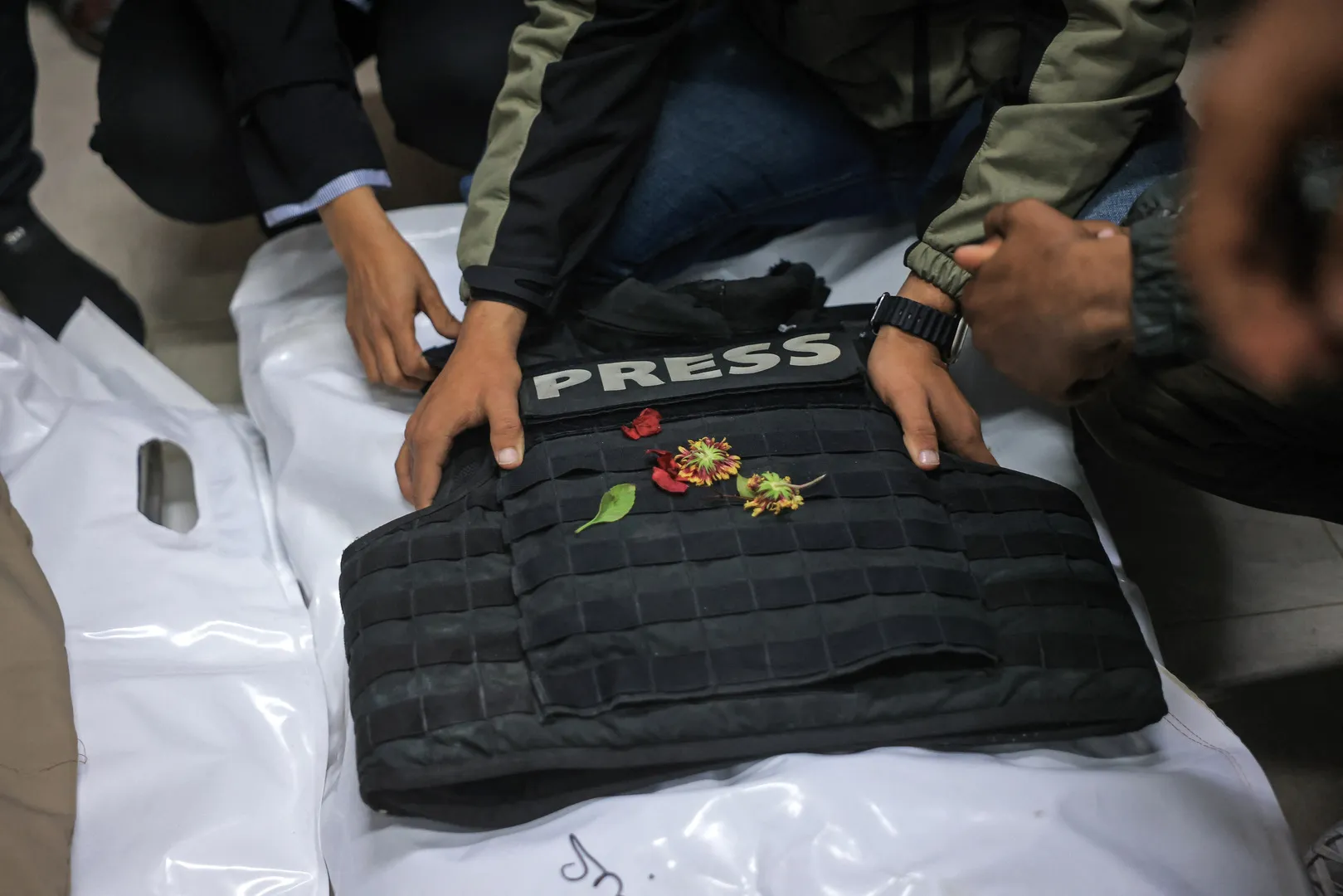
Journalistic Safety Crisis Deepens: Examining the Escalating Danger for Media Workers in Gaza
As global attention focused on World Press Freedom Day, the reality on the ground in the Gaza Strip presented a stark and deeply worrying picture. Instead of a day of global affirmation for press liberties, the territory became a grim marker of immense professional peril for its media community. Reports indicate that the number of local journalists killed or targeted within Gaza has reached alarming levels, casting a dark shadow over the fundamental right to report from conflict zones.
The commemoration among Palestinian journalists was marked not by celebration, but by somber remembrance. Community efforts were centered on paying tribute to colleagues who had been killed or specifically targeted by the conflict. This gathering underscores a pervasive sense of urgency and grief, highlighting a situation where the profession of journalism itself is being severely imperiled by ongoing hostilities.
What This Means for Global Press Safety
The escalating danger in Gaza serves as a stark global warning regarding the vulnerability of journalists in modern conflict zones. When the death toll of media workers rises to such heights, it signals a systemic breakdown in the safety protocols afforded to those who document human experience for the world. The sheer scale of the risk suggests that the reporting process itself has become deeply dangerous, demanding immediate and robust international mechanisms for press protection.
A Call for International Protection
Calls for international intervention emphasizing the safety of reporters have gained renewed traction. High-level religious and ethical figures have publicly voiced urgent appeals for greater safeguards for those dedicated to uncovering truths, particularly when operating within active combat theaters. These appeals underline a consensus that documenting the facts of a conflict—regardless of the personal cost—is a critical, yet endangered, form of global accountability.
Background Context of Media Operations in Conflict
Historically, war zones have always posed extreme risks to journalists. However, the situation described suggests an unprecedented level of threat faced by the local media corps in this region. Sustaining independent reporting requires not only physical safety but also access and neutrality, both of which are critically challenged when civilian infrastructure, including news operations, becomes a target. The international community’s response to such localized crises often determines the fate and future scope of press freedom worldwide.
This pattern suggests a challenging pathway forward for journalism in contested territories, where the commitment to truth must be weighed against profound physical hazard.
About the Author




