Rising Tensions Fuel Street Protests in Israel After Peace Talks Collapse
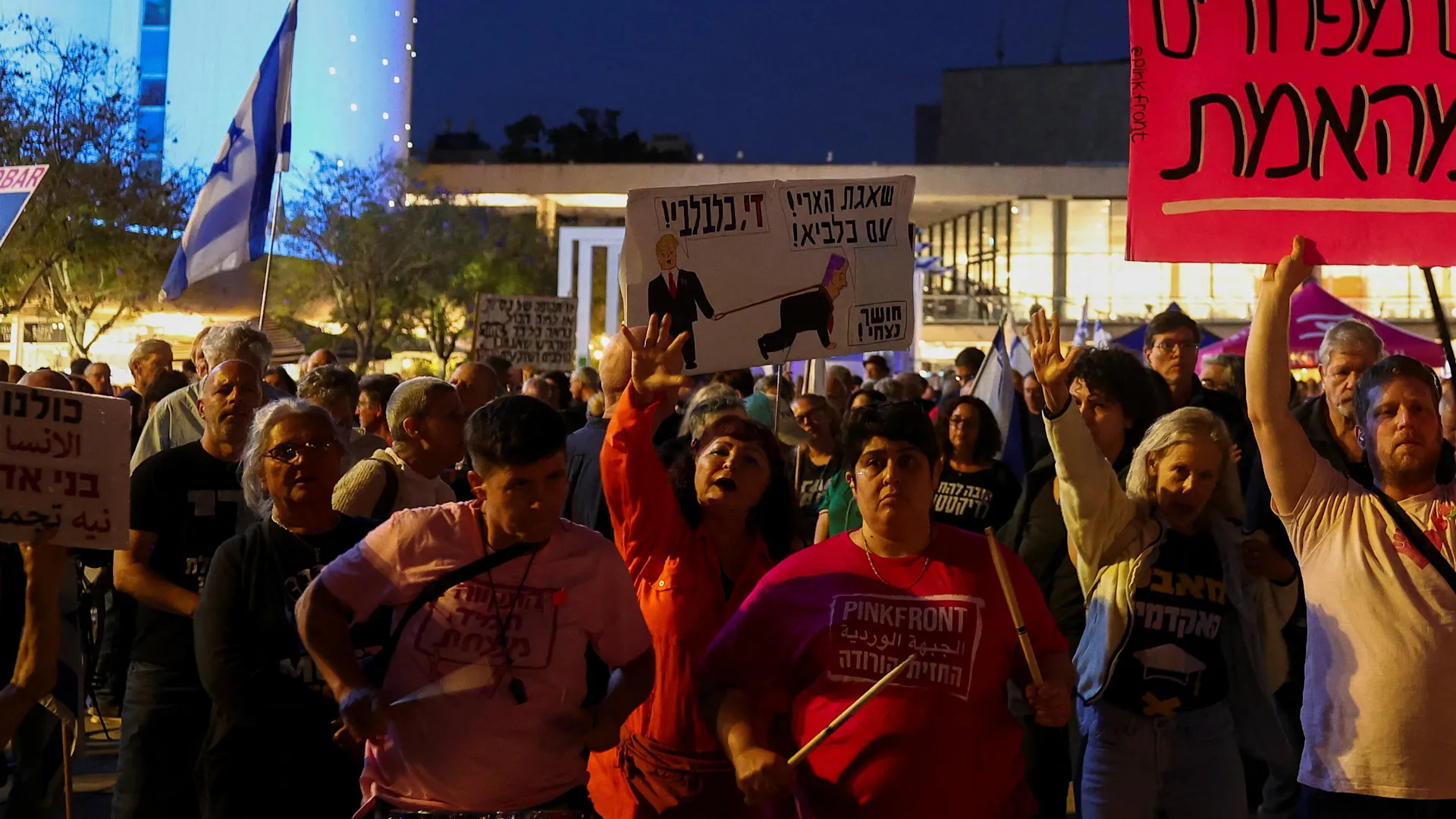
Widespread demonstrations have taken place across Israel, particularly in Tel Aviv, as a tangible diplomatic pathway to resolving the deep-seated tensions between the United States and Iran appears to have stalled. The murmurs of hope that had circulated regarding potential de-escalation efforts were dampened this week after reports indicated that key negotiations held in Islamabad, aimed at charting a diplomatic off-ramp from the protracted standoff, were called off by U.S. officials.
These public gatherings reflect a palpable anxiety among segments of the Israeli public concerning the possibility of renewed conflict in the region. The cancellation of the talks signaled a sudden regression from an anticipated period of diplomatic maneuvering. For many observers, the withdrawal of dialogue signaled a potential return to heightened military or political confrontation, prompting citizens to take to the streets to voice their concerns and expectations.
What This Means for Regional Stability
The abrupt cessation of the Islamabad talks injects a new layer of uncertainty into regional geopolitical calculations. Diplomats and analysts alike are monitoring the situation closely, as the failure to finalize an agreement means that underlying points of friction remain unaddressed. The immediate impact is a cooling of diplomatic optimism, forcing stakeholders to reassess the viability of current de-escalation strategies. The focus shifts from potential negotiated settlements back toward managing the risk of miscalculation or confrontation in the complex Near East landscape.
The public response underscores that the outcome of diplomatic efforts carries significant weight with the population. When official channels for resolution appear blocked, public demonstration becomes a primary mechanism for demanding clarity and advocating for stable, long-term political frameworks rather than merely pausing existing conflicts.
Background on the Diplomatic Efforts
The negotiations that recently concluded their momentum involved high-level participation from U.S. governmental figures, aimed at bridging the significant policy gaps separating Washington and Tehran. These talks were viewed by many as a critical juncture—a potential moment to construct a framework that could mitigate regional hostilities while preserving vital security interests for all involved parties. The preceding buildup of these diplomatic efforts had fostered a degree of cautious anticipation regarding a structured path forward for cooperation and stability.
The withdrawal of these talks effectively resets the clock on any immediate diplomatic breakthrough. Instead of progressing toward finalized agreements, the situation now demands a reassessment of the prerequisites for meaningful engagement. The protests serve as a visible reminder that the populace views stability not as a default setting, but as a hard-won outcome requiring sustained diplomatic commitment and tangible progress.
About the Author