Security Intervenes as President Trump Leaves White House Event Amidst Disturbance
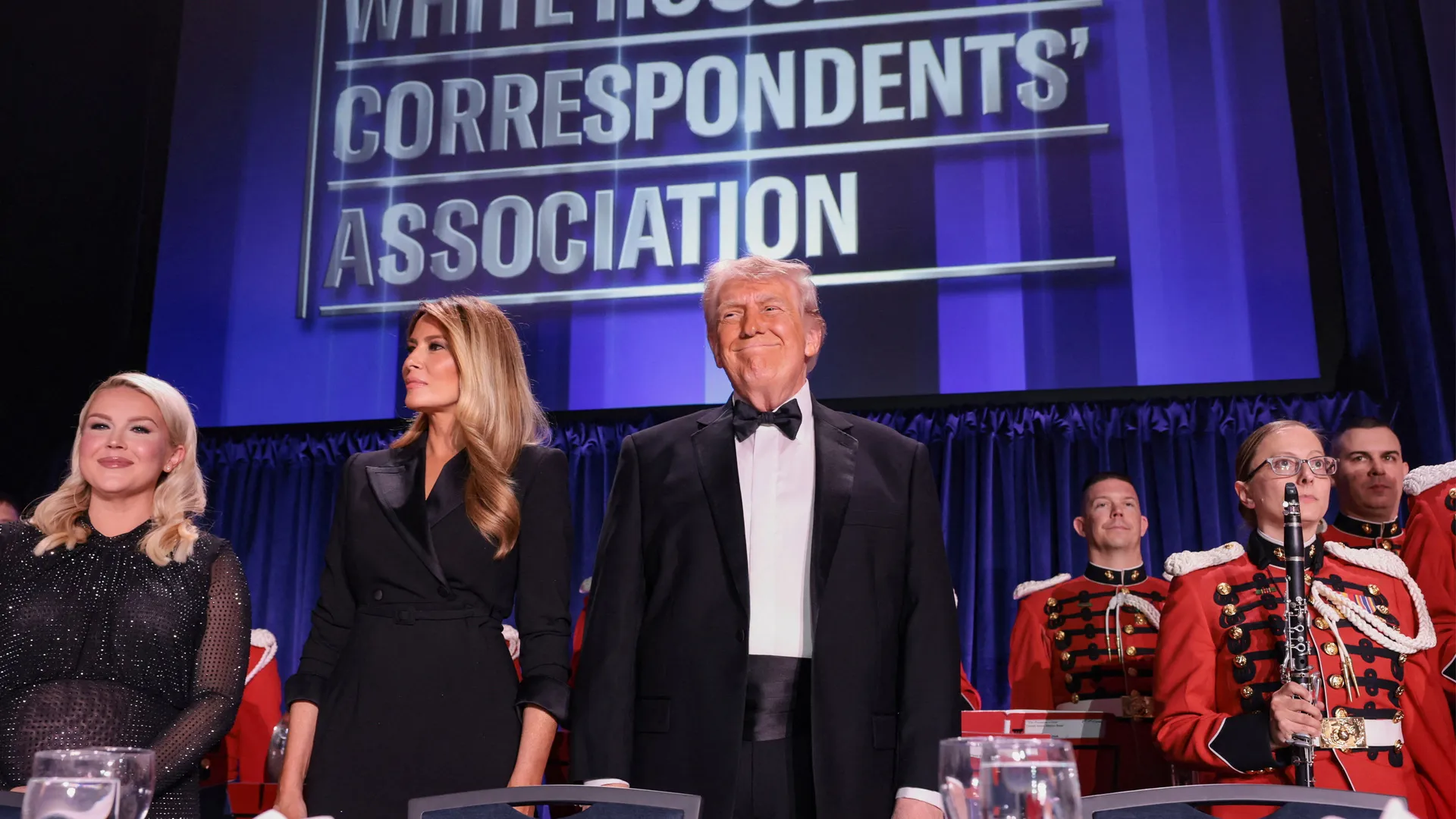
A notable scene unfolded recently at a high-profile gathering within the White House complex, drawing attention to the protective measures in place during major political events. During what was described as a formal gala, the presence of loud, unexpected noises prompted an immediate response from security personnel. These security protocols were visibly engaged as the President was escorted rapidly away from the gathering.
The incident captured public attention due to the sudden nature of the departure. While specific details regarding the source of the disturbances remain under review, the visible intervention of the security detail underscored the heightened level of protective attention surrounding the executive branch during large-scale functions. The swift action taken suggests a combination of protocols designed to ensure the safety of attendees and principal figures.
What This Means: Heightened Security Posture
The swift and public removal of the President from a gathering highlights the continuously elevated security environment surrounding the U.S. presidency. Such visible interventions serve as a powerful demonstration of the operational readiness of protective services. It suggests that, regardless of the formal nature or expected tranquility of a high-level event, security teams must be prepared to react instantaneously to unforeseen disruptions, whether they originate from technical malfunctions, disruptive behavior, or other unpredictable sources.
For observers, this serves as a real-world illustration of the layers of security planning required. It moves beyond mere symbolic protection and demonstrates active management of risk in a volatile public setting. The focus shifts from the festivities themselves to the underlying mechanics of safety management that must accompany any gathering involving top political figures.
Context of White House Functions
White House events, such as the Correspondents’ Dinner, are designed to be key social and professional junctures where political leaders interact with journalists, cultural figures, and other influential members of the public. These gatherings are inherently complex environments, blending media scrutiny, political networking, and formal celebration. Consequently, security planning for such events is exceptionally intricate, needing to account for everything from crowd control dynamics to potential points of disruption.
Historically, these galas have been platforms for both celebration and intense media commentary. The security response observed during this recent instance serves as a reminder that the celebratory atmosphere can instantly pivot into a high-alert situation, requiring the immediate and decisive action of trained personnel to restore order and ensure the physical safety of the principal individual involved.
In essence, the episode underscores a permanent state of readiness. The ability of the security apparatus to swiftly manage a public departure during an established social function confirms the comprehensive nature of the protective measures currently in place at the nation’s most prominent governmental residence.
About the Author