Balancing Climate Goals and Affordability: Industry Concerns Over New Aviation Taxes in the Caribbean and Latin America
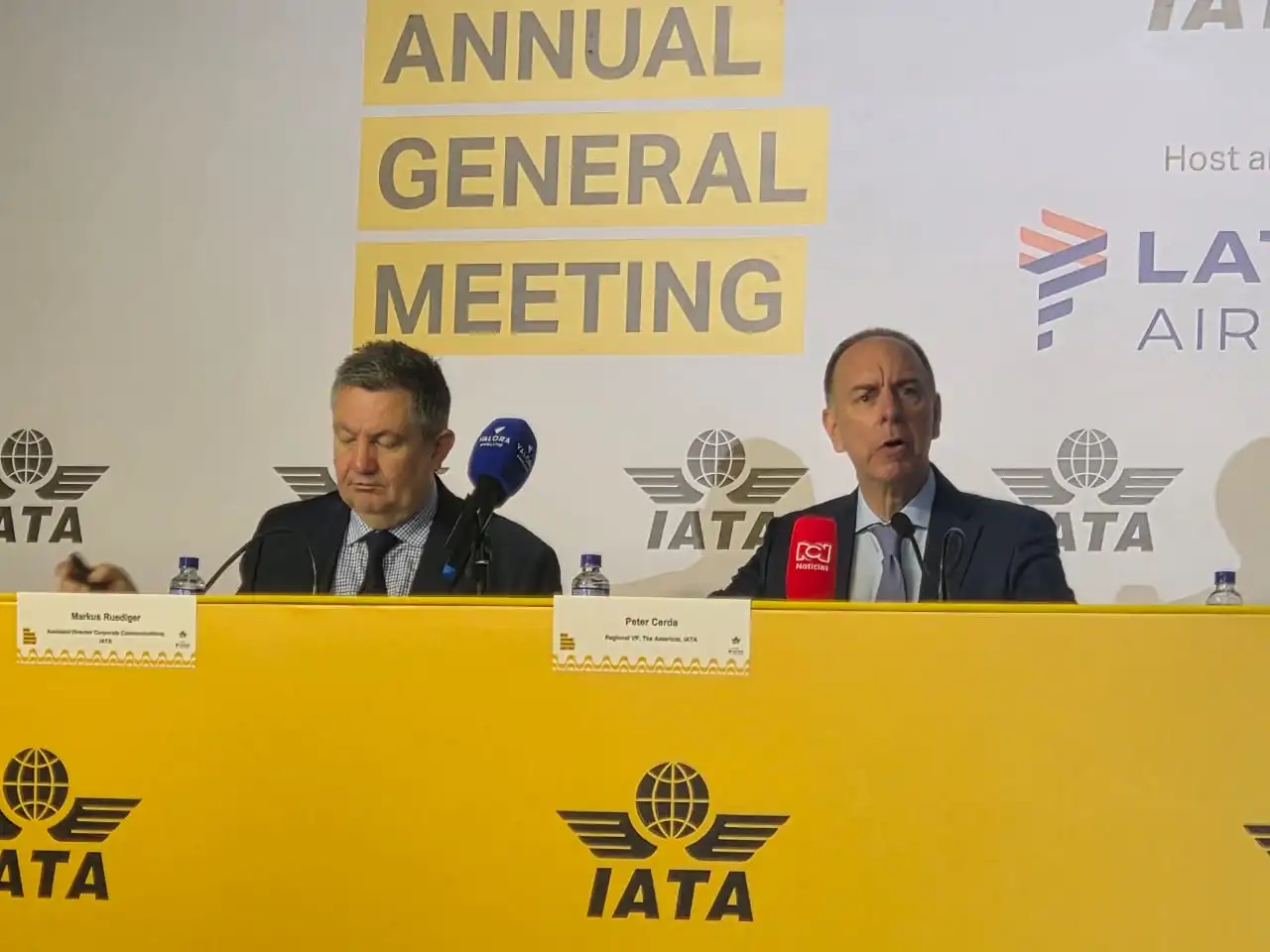
The global aviation sector faces intense pressure to meet ambitious climate targets, with decarbonization necessary to achieve net-zero emissions by mid-century. A key mechanism viewed for this transition is the increased adoption of Sustainable Aviation Fuel (SAF). However, industry representatives are voicing significant concerns regarding proposed governmental levies, particularly ‘green taxes,’ across Latin America and the Caribbean. The core apprehension is that the implementation of such charges, if structured improperly, risks placing undue financial burdens on travelers without guaranteeing that the collected funds are reinvested directly into verifiable sustainability infrastructure.
Industry leaders caution that while environmental responsibility is paramount, policies should prioritize fostering investment in cleaner technologies rather than simply inflating ticket prices. When the financial mechanisms for climate action become punitive fees that generate general government income rather than funding dedicated decarbonization projects, the overall goal of promoting sustainable air travel is jeopardized. The message from the sector emphasizes that making air travel prohibitively expensive undermines the very goal of encouraging movement and growth.
What This Means: Economic vs. Environmental Policy
The warning highlights a potential policy conflict: the perceived need for immediate revenue from airlines versus the long-term goal of robust, affordable connectivity. If escalating taxes dampen passenger demand, the resulting economic slowdown could negatively impact vital sectors like tourism and trade, which rely heavily on air travel. Furthermore, the sector points out that many existing fees already constitute a significant portion of ticket costs in the region. Adding new, unearmarked taxes could destabilize economic growth projections, despite positive forecasts for regional passenger increases.
The association suggests a strategic shift in governmental focus. Instead of revenue generation through taxation, policies should concentrate on creating the necessary market conditions for the industry to naturally adopt greener alternatives. This involves stimulating the production and supply chains for sustainable fuels, ensuring that technological advances can meet the projected growth in demand.
Background / Context: The Push for Sustainable Growth
Despite the financial headwinds posed by potential new taxes, the outlook for aviation across the Americas remains generally positive. Projections indicate steady annual growth in passenger volume over the next two decades, suggesting that air travel will remain a critical economic pillar. This growth necessitates careful policy navigation. The broader context reveals that governments are simultaneously encouraging increased connectivity—a major draw for tourism—while also grappling with the necessity of achieving emission reductions. The dialogue, therefore, centers on designing regulatory frameworks that are both stringent enough to enforce environmental stewardship and flexible enough to maintain accessibility for the traveling public.
The underlying principle advanced is that genuine progress in decarbonization requires a supply-side solution—increasing the availability and affordability of SAF—supported by targeted investment, rather than relying on a tax-funded demand-reduction model. Maintaining air travel’s role as an accessible engine for regional economies requires governmental caution and a focus on infrastructure support over immediate fiscal measures.
About the Author