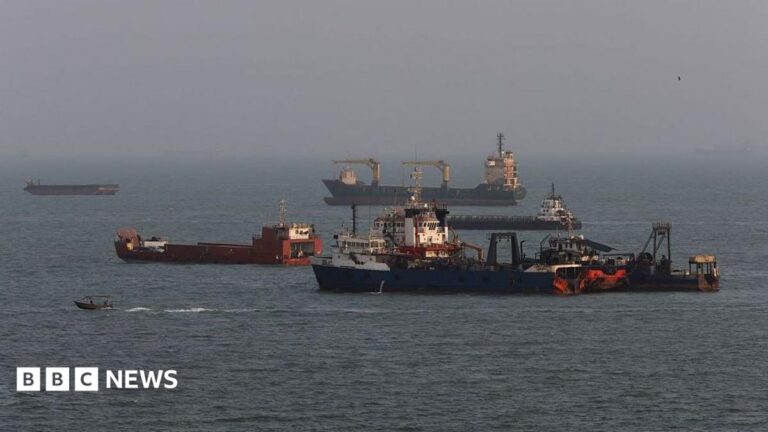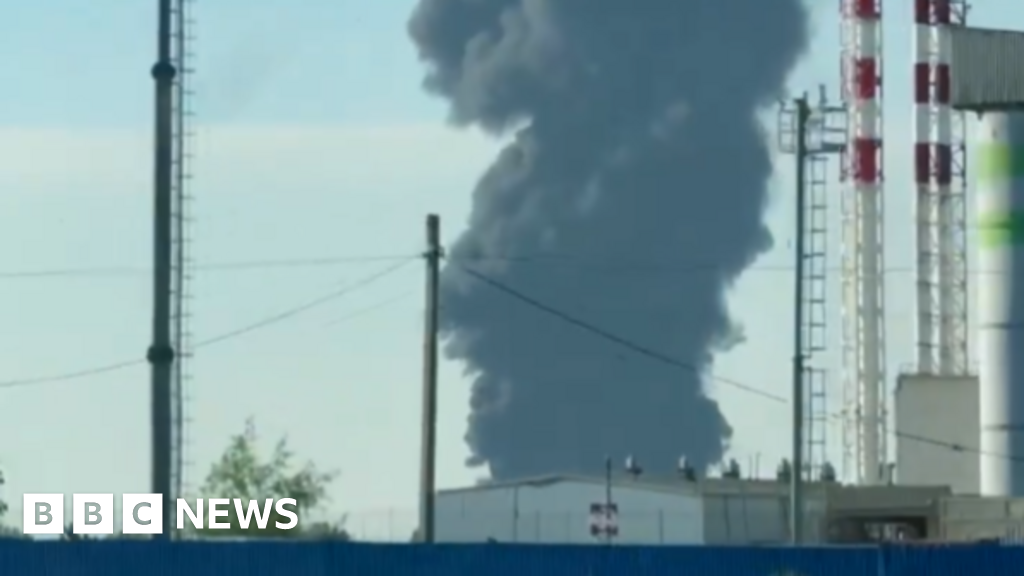
Recent military activity has brought increased focus and tension to the St Petersburg area, particularly as the city hosted a major international economic forum. Reports indicate a significant wave of drone incursions into the surrounding Leningrad region, prompting local authorities to issue directives advising residents to remain sheltered—a measure not seen since the escalation of hostilities.
Official accounts suggest that the drone presence was substantial, involving multiple strikes against military infrastructure in the vicinity. These reported incidents followed statements from Ukrainian leadership asserting that their drone capabilities successfully struck key naval installations and military depots deep within Russia’s territory. The stated objectives of these operations included targeting strategic assets, such as major naval bases and oil storage facilities hundreds of kilometers away.
These military actions are occurring amidst a backdrop of diplomatic friction. Shortly before the heightened drone activity, high-level diplomatic discussions took place, notably involving comments regarding the necessity and feasibility of direct dialogue between Ukrainian President Volodymyr Zelensky and Russian President Vladimir Putin concerning a cessation of fighting.
The implications of these escalating actions are profound, suggesting a continuation of conflict dynamics where military pressure is interwoven with geopolitical maneuvering. While international forums attempt to signal a return to normalcy and economic integration, the persistent drone activity serves as a sharp reminder of the active and contested nature of the conflict in the region. The ability to project long-range military force deep into sovereign territory remains a central and disruptive feature of the current conflict landscape.
Contextually, the international economic forum itself represents a significant effort by Russia to re-engage with the global financial community and attract foreign capital. Such large-scale assemblies are usually intended to project stability and normalcy. However, the military incidents—ranging from localized damage to reports of distant strikes—significantly disrupt this facade, demonstrating the persistent military threat emanating from the region. This juxtaposition highlights the extreme challenges in maintaining civil and economic stability while active conflict continues to unfold nearby.
About the Author