Spiritual Journeys Halted: The Impact of Restrictions on Religious Observance for Gaza Residents
For countless individuals residing in Gaza, the deep-seated aspiration to perform the Hajj pilgrimage remains a poignant, unfulfilled dream. These religious milestones, central to the cultural and spiritual life of Muslims worldwide, are being severely curtailed by ongoing restrictions on movement and passage. The ability for residents to participate in rites of passage, even those planned years in advance, has become critically dependent on external political and military conditions.
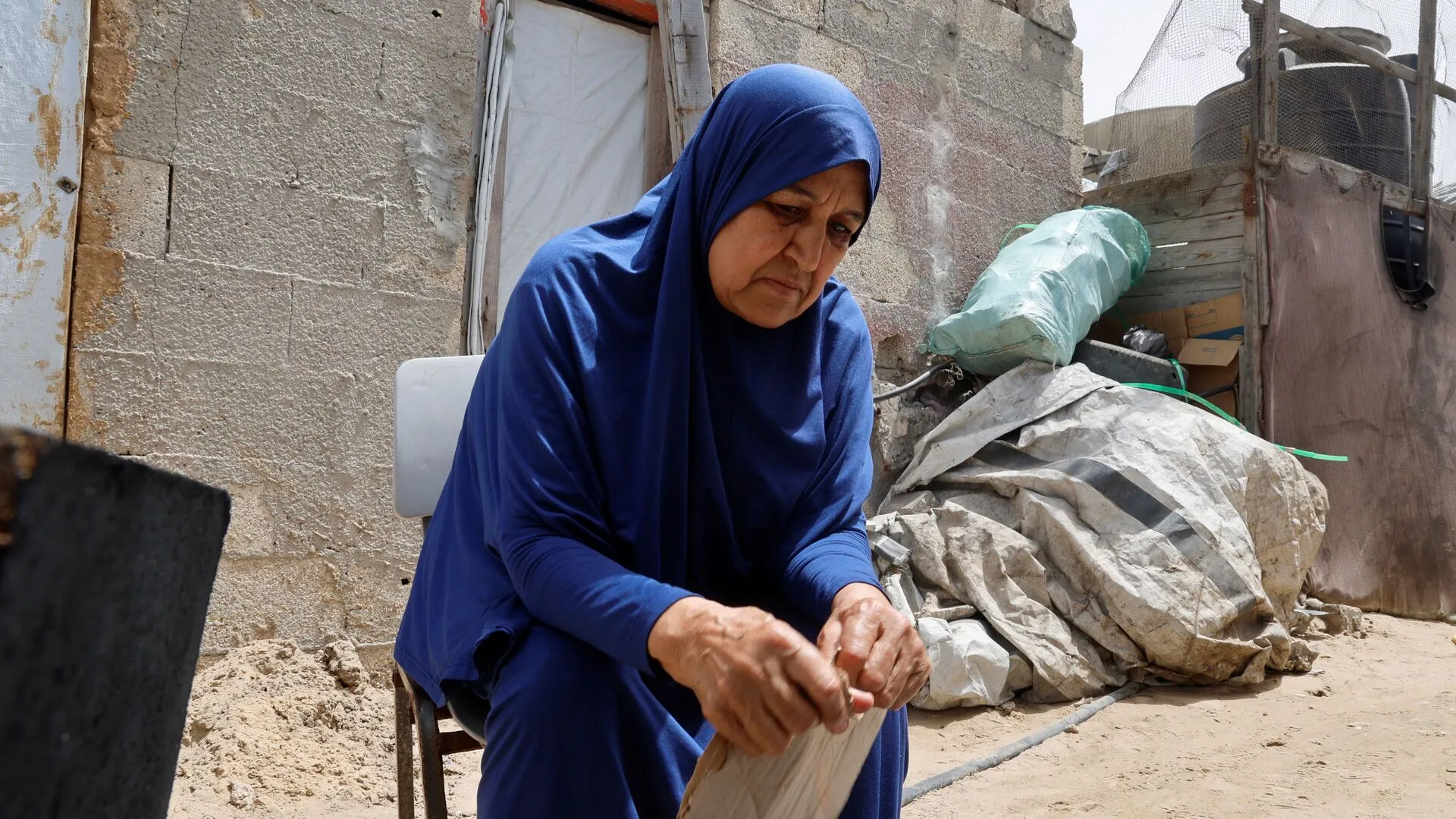
The tragedy of blocked movement is not unique to a single aspiration; it impacts fundamental life goals. For example, the story of certain families illustrates this profound disruption. Years of anticipation for the pilgrimage are suddenly met with heartbreaking reversals, often due to the loss of a spouse or the inability to exit the territory safely. These are not merely travel disruptions; they represent the suspension of deeply woven personal narratives and cultural obligations.
What This Means: An Examination of Lost Opportunity
The primary consequence of the current restrictions is the creation of a humanitarian and spiritual impasse. When passage to major religious centers becomes impossible, the psychological and communal toll is immense. For those who have long saved, planned, and waited for this life-defining journey, the indefinite postponement translates into a state of suspended longing. Official statements indicate that the lack of consistent, predictable travel corridors severely limits the feasibility of organized religious travel, turning a potential pilgrimage into a permanent, mournful postponement.
Furthermore, these limitations affect more than just the pilgrimage. They create a systemic barrier to general movement, trapping populations and complicating access to essential services, medical care, and educational opportunities, making any long-term planning, spiritual or otherwise, virtually unattainable for many families.
Background and Context: The Intersection of Conflict and Faith
The aspiration for the Hajj is a powerful, enduring cultural bond for Muslims across the globe. However, when geopolitical conflict tightens physical boundaries, this fundamental human and spiritual need becomes acutely vulnerable. The situation in Gaza reflects how a protracted blockade can ensnare the most personal of dreams. It shifts the focus from the spiritual preparation required for the journey to the sheer struggle for basic survival and freedom of movement within a restricted zone.
These circumstances highlight the profound global concern regarding the impact of territorial controls on the free exercise of religion. The inability to safely move to Mecca, as with the Hajj, becomes a stark symbol of the broader challenge: how do individual rites of faith survive when the basic prerequisites of physical freedom are systematically denied?
About the Author