Incident in West Bank: Disagreement Over Use of Force Involving Vehicle and Infant
A recent confrontation in the West Bank has sparked debate regarding the escalation of force by Israeli security personnel. Authorities on the ground reported that the use of force occurred after Israeli soldiers perceived a vehicle making a sudden movement toward their location. However, accounts from Palestinian officials and family members within the area contradict the official military narrative, leading to conflicting reports about the circumstances surrounding the event.
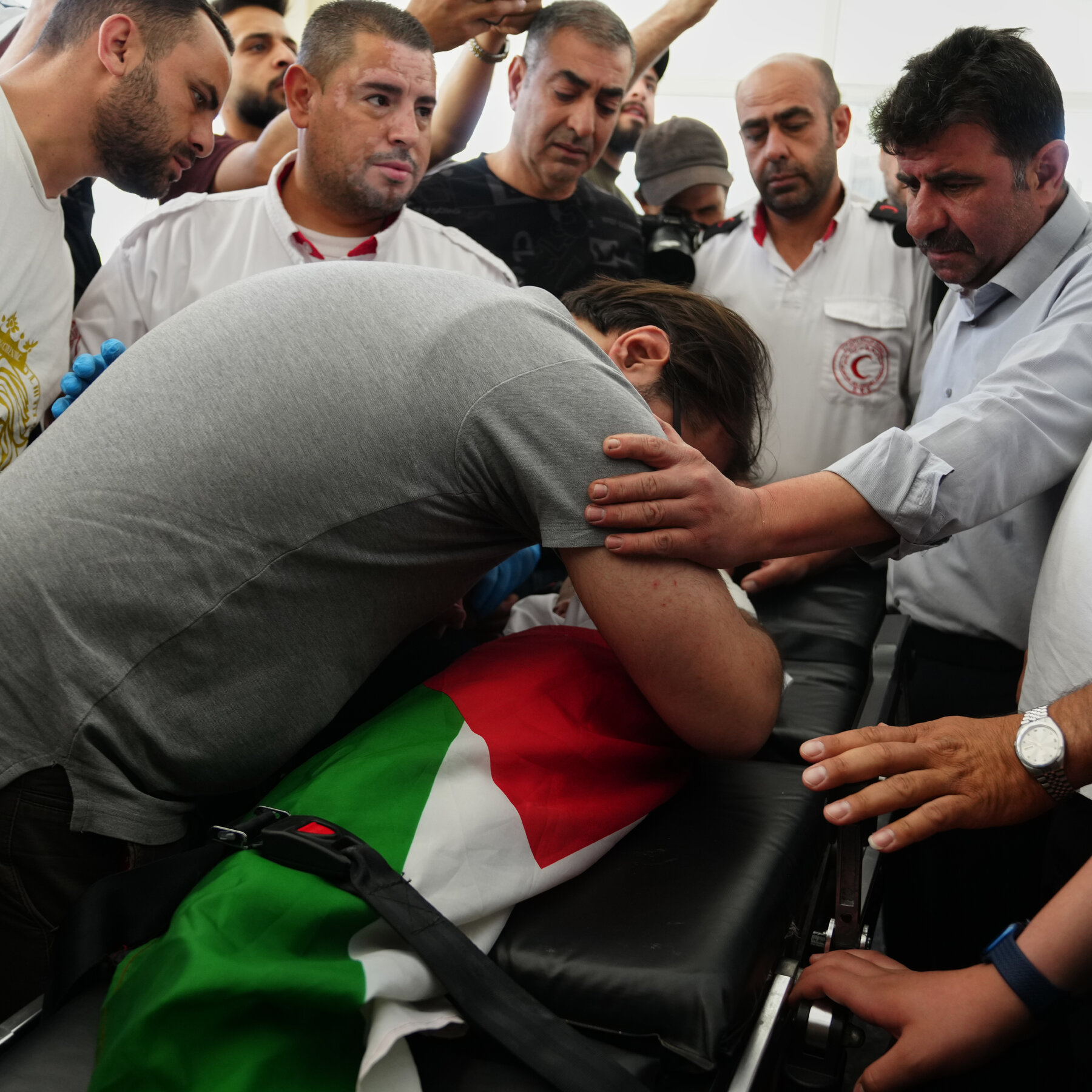
The focus of the disagreement centers on the sequence of events leading up to the deployment of force. While the Israeli military has issued statements citing perceived threats from the vehicle’s actions, individuals present, including the grandmother of the infant involved, have publicly challenged the basis of the military’s justification. These differing testimonies have placed the incident at the center of broader discussions concerning civilian safety and the protocols governing security operations in the region.
What This Means: Navigating Conflicting Narratives of Conflict
The disparity between the military’s account and the local civilian reports highlights the deep chasm in narratives surrounding incidents in occupied territories. When such conflicting accounts emerge, the immediate impact is an intensified period of scrutiny regarding adherence to the laws of armed conflict. These differing versions force international attention onto the necessity of rigorous, independent investigation to establish a reliable timeline and determine culpability. The core issue becomes establishing whether force was a necessary and proportionate response to an immediate threat, or if misjudgment and escalation played a role.
Background and Context of Civilian Presence
The West Bank region is characterized by a complex interplay of military checkpoints, restricted movements, and the daily presence of civilian life alongside heightened security measures. Daily encounters between military personnel and local populations frequently occur, leading to moments where de-escalation and restraint are critically important. In such volatile environments, any report involving the loss of life, especially involving non-combatants like infants, naturally triggers significant concern and calls for heightened accountability from all security forces involved.
The emphasis on the conflicting testimonies serves to underscore a systemic issue: the need for independent verification of events on the ground. When the primary narratives are at odds—one citing perceived danger and the other disputing the perceived danger—the resulting situation requires a level of transparency that is often difficult to achieve in the field. The incident thus becomes a focal point for observers analyzing adherence to humanitarian norms during periods of tension.
About the Author