Significant opposition is emerging from influential, hardline factions within Iran, who are vocally challenging the acceptance of a recently put-forward agreement involving the United States. These key figures argue that the proposed terms are fundamentally disadvantageous and effectively represent a surrender of national interests. The internal debate centers on whether the deal provides tangible guarantees for critical economic and geopolitical stability, particularly concerning sanctions relief or sustained regional influence.
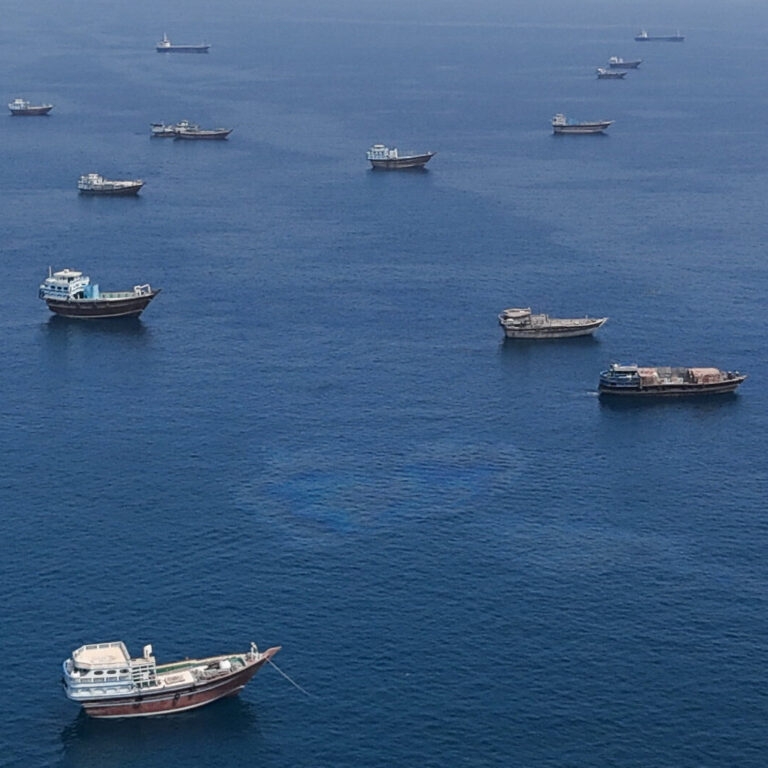
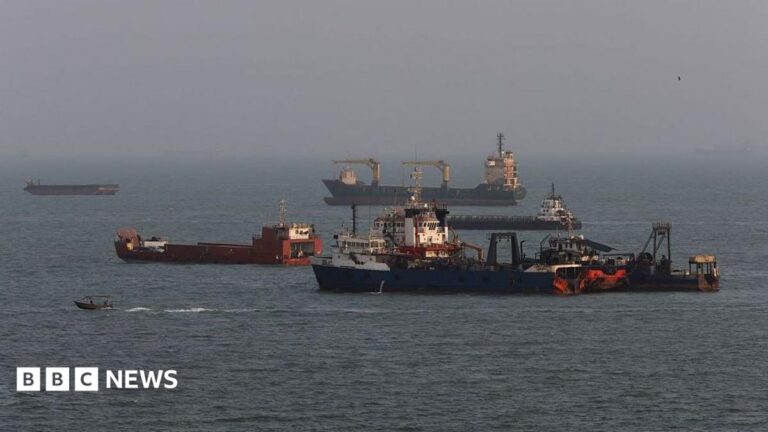
The critics have highlighted several key deficiencies they believe undermine the value of the accord. They argue that the document fails to offer concrete assurances regarding the lifting of international sanctions, nor does it establish firm mechanisms for compensation or guaranteed control over strategically vital maritime passages, such as the Strait of Hormuz. This resistance suggests a deep ideological divide within the nation’s leadership regarding the best path forward for regional diplomacy and economic resilience.
The Stakes of the Negotiation
The core disagreement revolves around the interpretation of victory and national sovereignty. According to those leading the dissent, characterizing any agreement as a mere success where the United States has retreated is inaccurate and misleading. Instead, they contend that endorsing the proposal would signal an unacceptable concession to foreign powers, potentially undermining the regime’s long-term strategic objectives and bargaining power on the international stage.
Geopolitical Implications and Internal Strife
The pushback against the pact signals that major internal power brokers remain deeply skeptical of any rapid diplomatic normalization that does not come with robust, enforceable guarantees. The reluctance to endorse the deal is rooted in a desire to maintain maximum leverage and safeguard perceived national autonomy. This ongoing disagreement creates a visible cleavage within the political structure, forcing supporters of the agreement to vigorously defend its merits against persistent and high-profile accusations of weakness and capitulation.
Context of Regional Tensions
This internal friction occurs against a backdrop of sustained regional instability. The potential for any agreement to reshape Iran’s relationship with major global players is significant, touching upon everything from trade routes to military posturing. The insistence from hardline elements emphasizes a preference for retaining a strong, assertive geopolitical posture rather than accepting terms that they interpret as inherently compromising to the state’s perceived national dignity and strategic depth.
About the Author