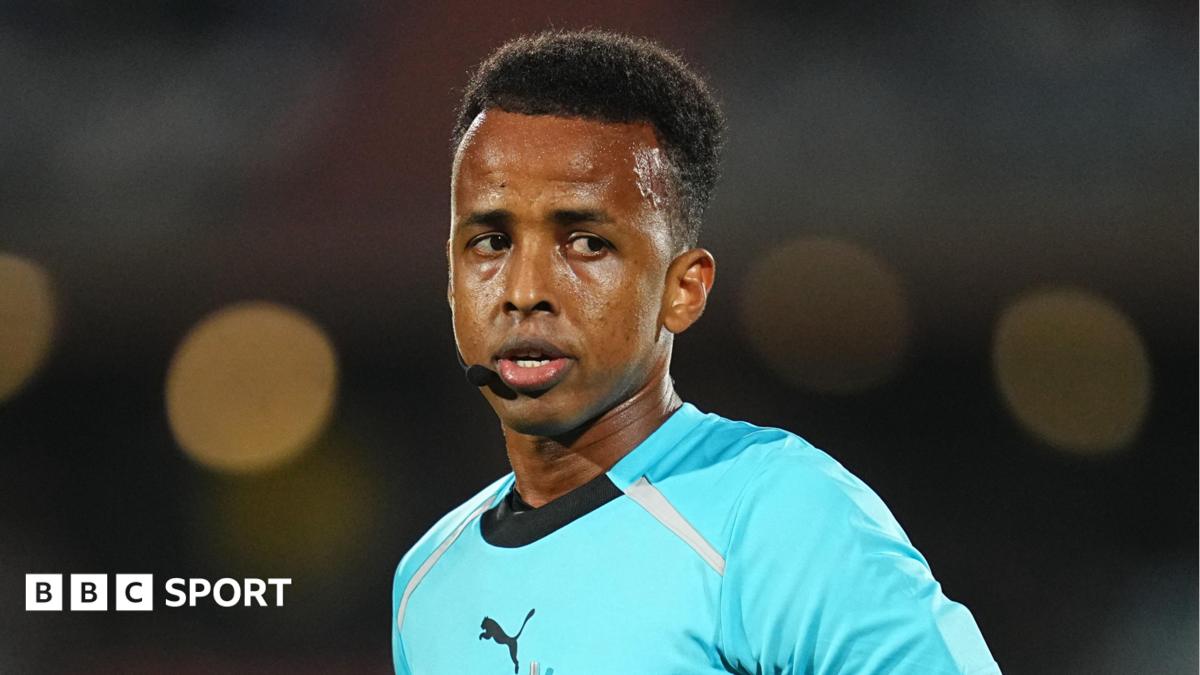
A prominent international soccer official has encountered significant bureaucratic barriers while attempting to reach the United States for the World Cup. Omar Artan, a referee who has gained considerable recognition within the sport, was reportedly blocked from entering the country upon arrival at Miami International Airport. This incident highlights the complex interplay between global sports travel and national immigration policies.
Artan is a highly regarded figure in African football officiating, notably having received accolades such as the title of Confederation of African Football referee of the year for 2025. His anticipated participation in the upcoming World Cup—a tournament featuring teams from numerous nations—was abruptly complicated by these travel restrictions, leaving him temporarily outside the U.S. while he is currently located in Turkey.
What This Means for Global Sports
The situation underscores a potential challenge for athletes and specialized international personnel who are required to travel extensively for major global events. When national entry requirements create obstacles for key participants, it raises questions about the consistency and predictability of travel guidelines for professional sports. For officials like Artan, who have trained and progressed to the level of representing African nations on the world stage, such disruptions can cause significant professional and logistical setbacks.
Context of the Restriction
While specific grounds for Artan’s denial of entry by U.S. immigration officials have not been publicly stated, reports indicate that Somalia is part of a roster of nations subject to certain travel advisories or bans implemented under previous administrations. The World Cup, which is set to take place across multiple North American locations, relies on the timely arrival of dozens of officials, including Artan, who was among the group assigned to officiate the finals.
Professional Trajectory
Artan’s career trajectory within the sport has been steadily upward. Starting as an official within the local Somali football league system, he achieved international recognition by becoming a FIFA-certified referee in 2018. His subsequent assignments have included officiating high-level continental tournaments, such as the African Cup of Nations (Afcon). His expected role in the World Cup marked a significant career milestone, representing one of the first officials from his home nation to participate in the FIFA World Cup finals.
The incident involving Artan serves as a notable example of how geopolitical travel restrictions can intersect with the highly mobile nature of professional international athletics, creating unexpected hurdles for athletes and support staff preparing for major global spectacles.
About the Author