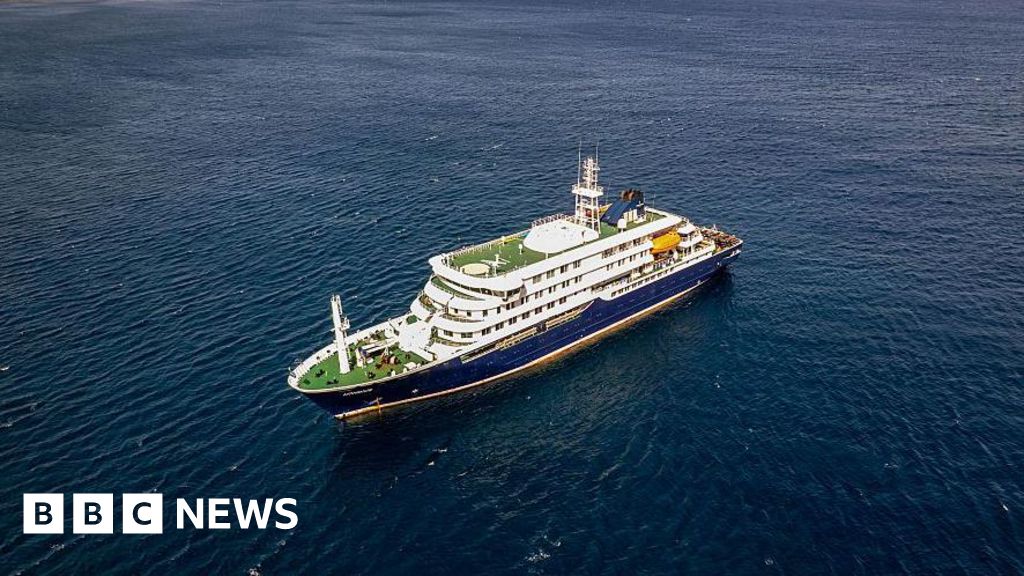
Investigation Launched After Possible Viral Outbreak on Atlantic Cruise Line
Health organizations have alerted the public following reports of a suspected cluster of viral illnesses aboard a cruise ship navigating the Atlantic Ocean. Authorities are currently managing the situation after multiple cases have been identified among passengers and crew. The focus of the investigation is determining the source of the outbreak, as the condition, linked to Hantavirus, poses a serious respiratory threat.
Initial assessments indicate that while one instance of the virus has been confirmed, several other related cases remain under active scrutiny. The cruise ship in question was operating on a voyage traversing the waters between South America and West Africa. The situation prompted health officials to heighten monitoring, given the potential for zoonotic pathogens to spread in confined environments.
The seriousness of the situation has led to critical medical responses. At least two fatalities have been reported among the individuals connected to the incident. One passenger was reportedly transported to a major medical center in South Africa, where they eventually passed away. A spouse who fell ill on board was also evacuated and subsequently died under medical care.
What This Means: Public Health Significance
The appearance of a potential Hantavirus outbreak in a remote, maritime setting highlights critical vulnerabilities in international health surveillance. Hantavirus is primarily transmitted to humans through exposure to rodent droppings or urine, leading to severe respiratory symptoms. While human-to-human transmission is rare, an outbreak on a vessel carrying numerous people necessitates immediate and rigorous containment protocols. Public health experts stress that maintaining strict hygiene and monitoring for animal contact are paramount to preventing further spread, both on the ship and upon landfall.
Background and Context of the Event
The affected vessel was a polar-class cruise ship designed to accommodate several hundred people, including passengers, crew, and support staff. It was undertaking a scheduled journey across the Atlantic basin. The initial symptoms appeared aboard the ship, leading to immediate medical attention on board and subsequent transfers to shore facilities. The presence of multiple, connected cases has prompted an official review of the ship’s sanitation procedures and potential exposure points during the voyage.
Health agencies involved are coordinating efforts to track the transmission chain, distinguishing between direct exposure risks, such as contact with rodents, and potential secondary transmission routes. As such an event occurs far from established medical infrastructure, rapid deployment of expert teams and close coordination between multiple national health bodies are essential elements of the ongoing response.
About the Author