US Diplomatic Focus Shifts to Pakistan as Regional Dialogue Efforts Intensify
Amid ongoing regional geopolitical complexities, indications point toward a significant diplomatic effort involving the United States. A high-level US delegation is reportedly being prepared to journey to Pakistan, where discussions are expected to take place under Pakistani mediation. This move signals a concerted effort by Washington to engage in multilateral dialogue aimed at de-escalating tensions across volatile areas.
The composition of the visiting team is noteworthy, with Vice President JD Vance anticipated to spearhead the US contingent. The coordination of such a mission suggests that established diplomatic channels are being activated to address pressing security and stability concerns in the broader Middle East region. While the specifics of the agenda have not been fully detailed, the participation of senior administration figures underscores the high stakes associated with the potential outcomes of these talks.
What This Means: A Pivot to De-escalation
The focus on Pakistan as a neutral intermediary suggests an attempt to carve out a pathway for direct, yet mediated, discussions involving various regional actors. Such diplomatic engagements are typically employed when direct bilateral talks have proven insufficient to resolve entrenched disagreements. The expectation surrounding these talks is to establish frameworks for stability and reduce the risk of miscalculation among key players in the region.
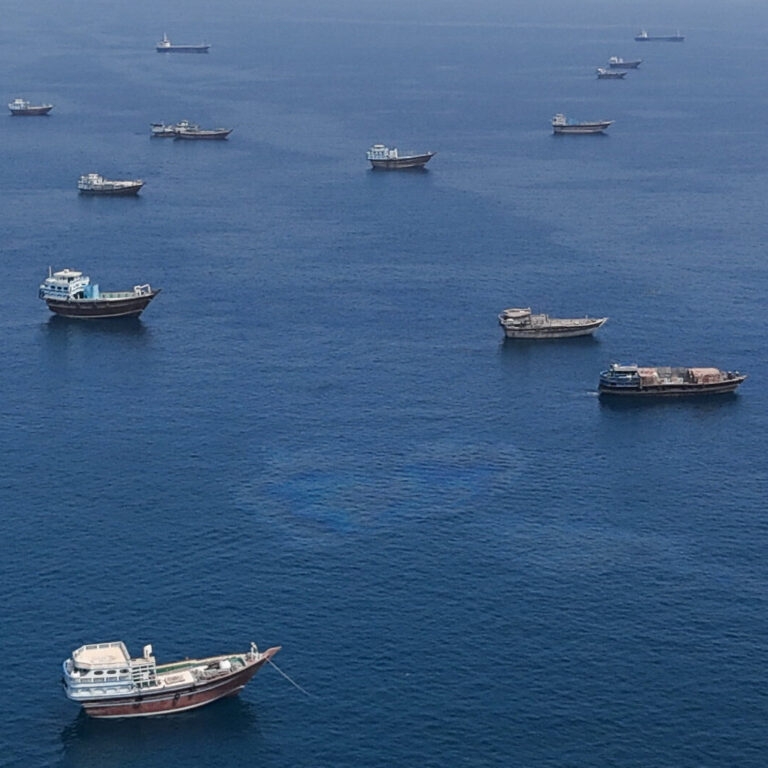
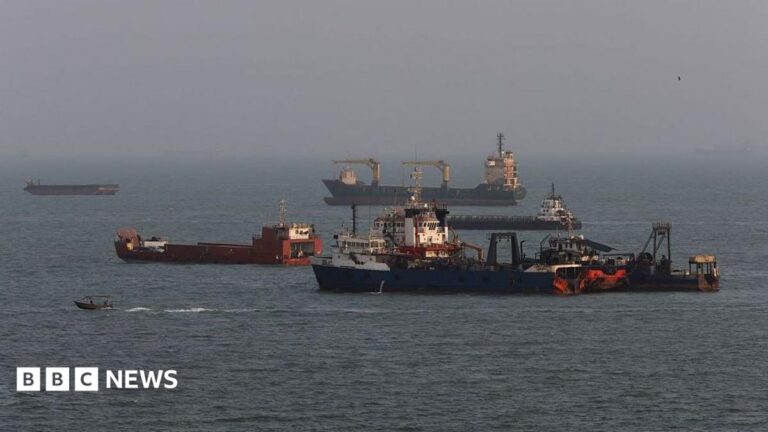
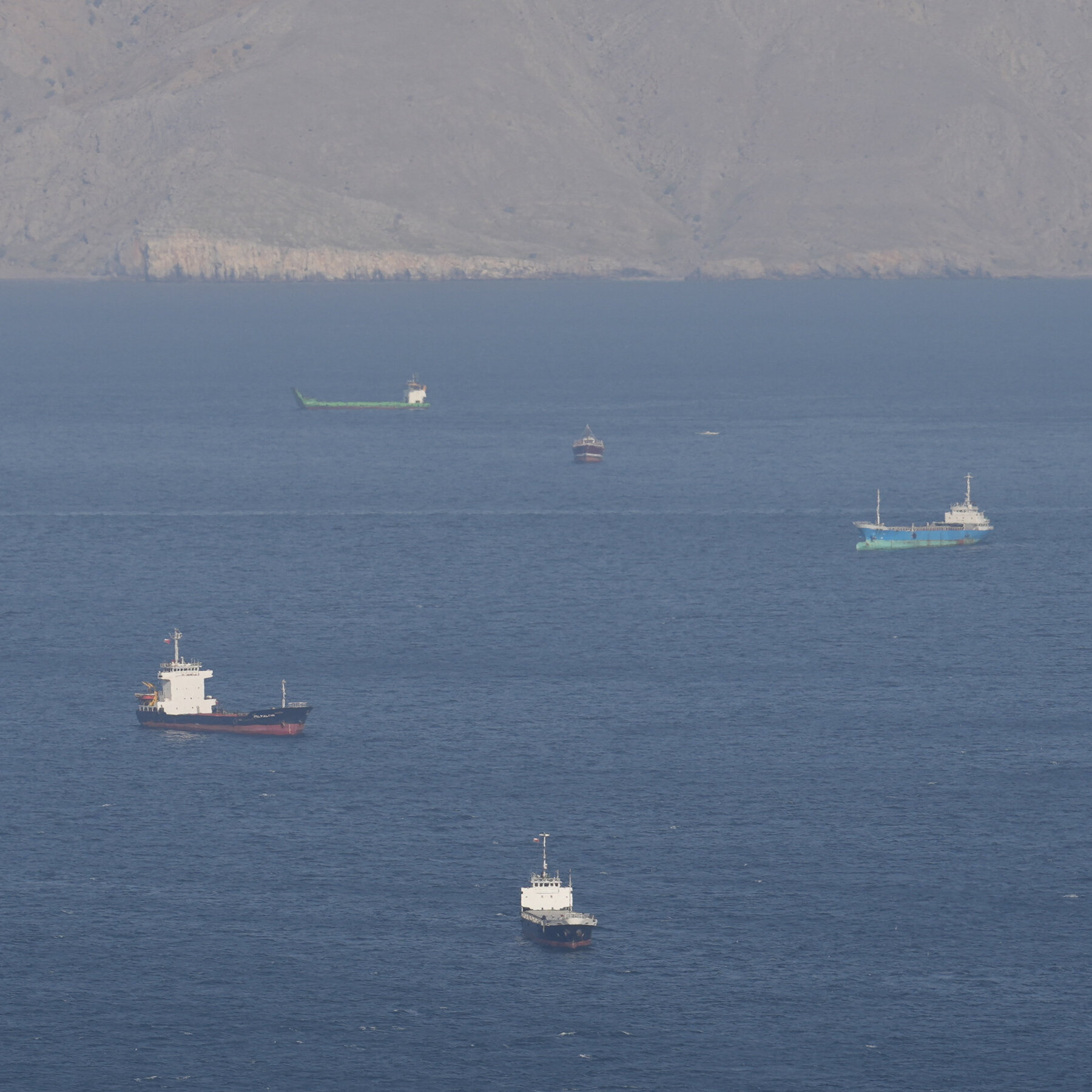
The consistent state of the Strait of Hormuz—remaining largely closed—serves as a tangible indicator of the high level of tension that necessitates such diplomatic interventions. Maintaining the flow of global commerce through vital chokepoints remains a paramount concern for international powers, making diplomatic resolution a critical priority.
Background and Context: Navigating a Complex Landscape
Regional stability has long been subject to the fluctuating dynamics between major powers and regional stakeholders. The involvement of Pakistan, a country with significant strategic depth and established relationships with multiple global actors, positions it as a key facilitator for peace talks. Historically, the country has played a role in mediating disputes when official channels become fraught with difficulty.
The backdrop for these developments is one of persistent regional instability, which complicates energy security and international trade routes. Discussions involving the US are aimed at managing the risks posed by various geopolitical fault lines, suggesting a concerted effort to prevent localized disputes from escalating into wider conflicts. The potential for dialogue represents a cautious but determined move toward preemptive conflict management.
About the Author