Diplomacy and Dollars: How Syrian Business Leaders Aim to Shape U.S. Policy
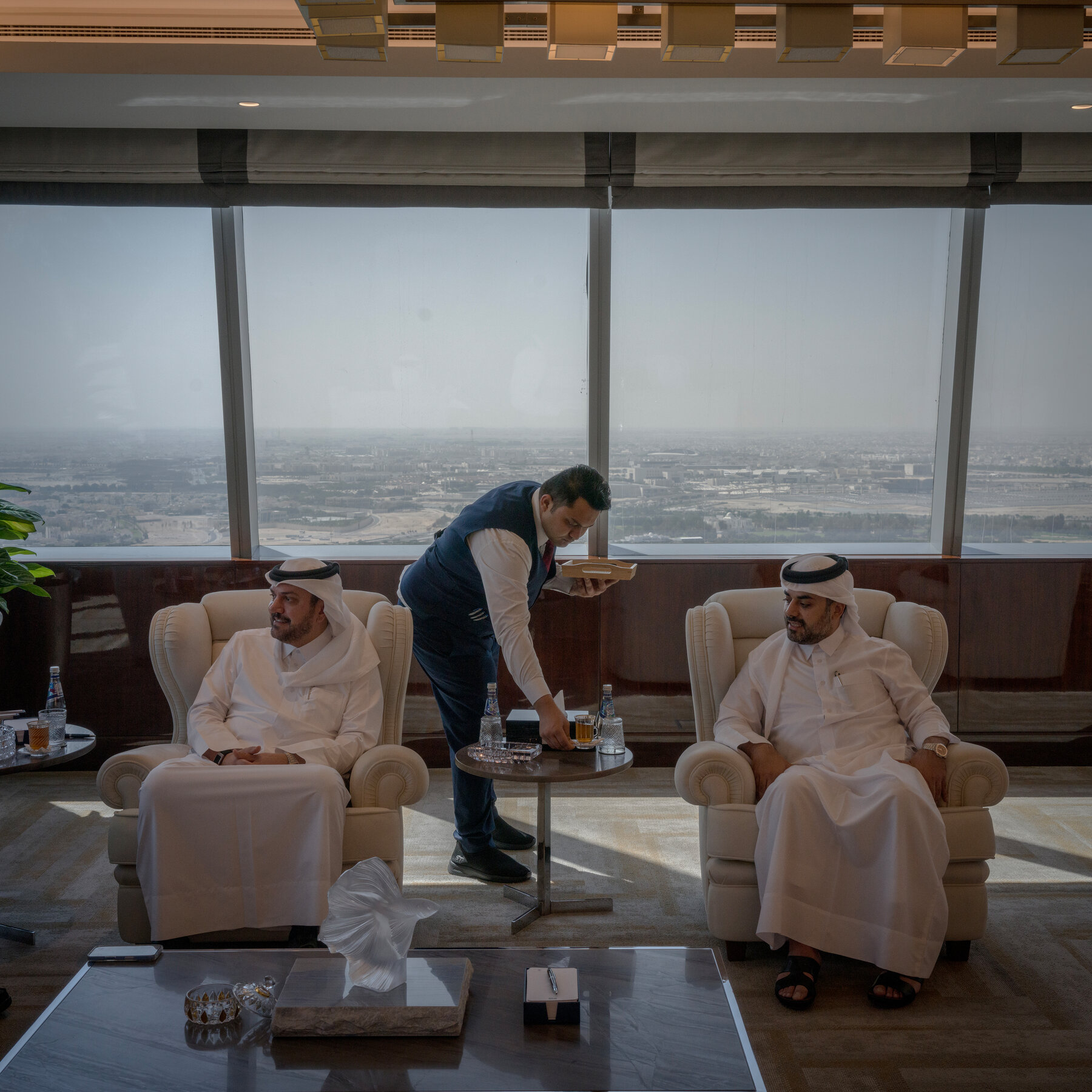
The intersection of substantial wealth, regional influence, and American political machinery remains a key area of focus for Syrian business figures operating abroad. These affluent individuals appear increasingly adept at navigating Washington D.C.’s corridors of power, aiming to steer foreign policy outcomes that align with their commercial interests. Their strategy suggests a calculated effort to maintain or enhance their economic standing amid complex geopolitical shifts.
A notable aspect of this lobbying effort involves the strategic invocation of connections to prominent political families, specifically referencing the Trump circle. This suggests that established rapport or perceived proximity to key political figures serves as a primary accelerant in their efforts to gain traction with policymakers. Instead of relying solely on direct commercial lobbying, the engagement appears to be highly personalized, leveraging names and associations to open doors and secure favorable discussions.
What This Means: The Influence of Personal Networks
The reliance on personal political connections, such as those linked to the former administration, highlights a deeper reality about modern geopolitical influence. For groups seeking to exert impact on foreign policy—particularly regarding sensitive matters like international sanctions or trade agreements—direct policy arguments are often supplemented, or even superseded, by access. The ability to gain an audience or build trust with influential decision-makers, often through shared contacts, proves to be as valuable as any economic prospectus.
This pattern indicates that for Syrian financial elites, engaging with political patronage is a more immediate and effective tool than traditional diplomatic channels. They are effectively treating Washington’s political landscape not just as a forum for discussion, but as a complex network of relationships that can be activated for mutual benefit.
Contextualizing the Efforts in U.S. Policy
Historically, foreign policy decisions regarding nations like Syria have been fraught with internal debates within Washington. Various policy objectives—ranging from humanitarian aid to managing regional stability—have led to prolonged periods of indecision and shifting governmental postures. In such an environment of ambiguity, external actors with significant financial stakes naturally look to those who appear best positioned to predict or influence future governmental actions.
The sustained focus on cultivating relationships, rather than presenting monolithic political demands, suggests an understanding of how Washington operates. Influence is built incrementally, one connection and one favor at a time. The repeated nature of these outreach attempts suggests that the Syrian commercial community views engagement with the current political climate, regardless of who holds the highest office, as an ongoing, necessary investment to secure their operational viability and future growth in the region.
About the Author