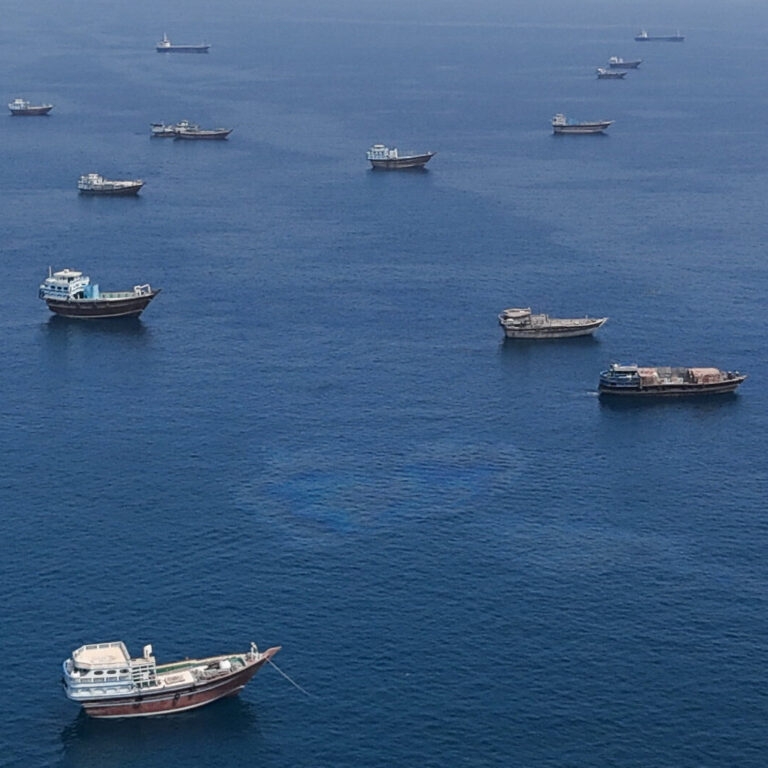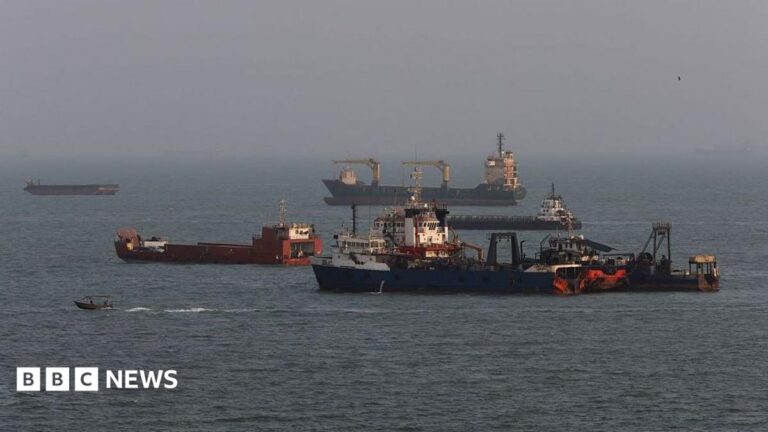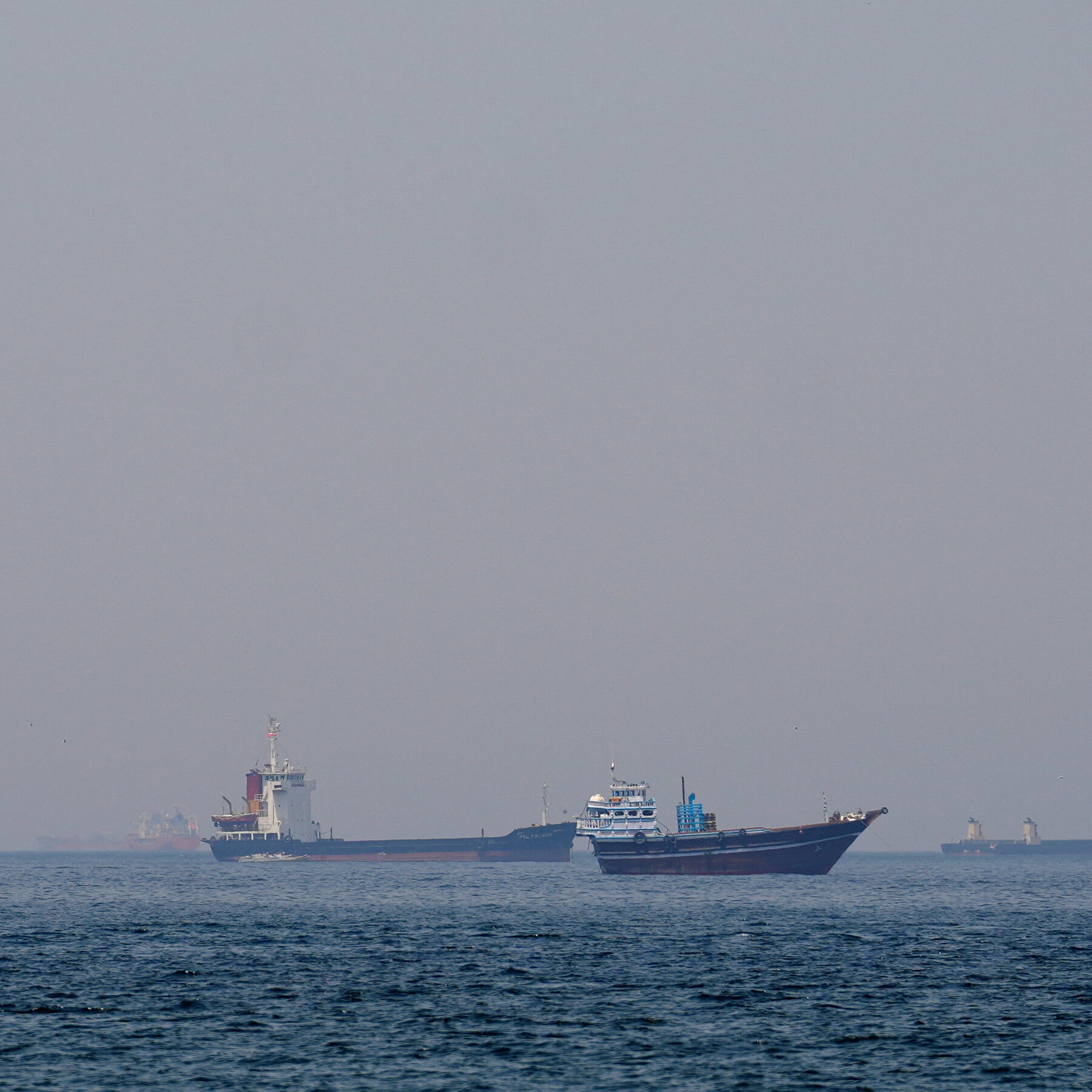
Recent developments surrounding tensions in the Persian Gulf reveal a complex and contradictory posture from Iran. While high-ranking officials have issued strong warnings, suggesting a willingness to escalate confrontations in response to outside actions—such as the seizure of an Iran-flagged vessel near the Strait of Hormuz—other top leadership voices are simultaneously advocating for a de-escalation path. This creates an environment of palpable strategic ambiguity, leaving observers to analyze whether the nation is preparing for heightened military risk or prioritizing renewed diplomatic dialogue.
The juxtaposition of these messages highlights a potential internal debate regarding Iran’s immediate strategic goals. On one hand, the rhetoric surrounding potential retaliation underscores deep-seated grievances and a commitment to defending national interests forcefully. On the other hand, the pronouncements from the presidency suggest a pragmatic recognition that perpetual conflict yields no beneficial outcomes for the Iranian state. This dual messaging paints a picture of a nation managing high-stakes geopolitical pressures by signaling both resolve and a latent desire for diplomatic off-ramps.
What This Means for Regional Stability
This conflicting messaging carries significant implications for the volatile geopolitical landscape of the region. The visible tension, fueled by maritime incidents and geopolitical friction points, increases the risk of miscalculation. However, the concurrent emphasis on talks suggests that diplomacy, despite the antagonism, remains a viable—or at least necessary—alternative pathway. The market and regional powers are paying close attention to whether the pressure toward dialogue will ultimately overpower the immediate escalatory impulses displayed by certain hardline elements.
Background Context: The Strait and International Shipping
The Strait of Hormuz remains one of the world’s most critical, and most contested, waterways. Given that a substantial portion of global energy trade passes through this narrow passage, any instability or perceived threat to maritime traffic draws intense international focus. Incidents involving the detention or targeting of vessels, regardless of flag, immediately elevate global concern regarding supply chain security and regional stability. The nature of these incidents—whether they are portrayed as isolated seizures, military escalations, or unintended confrontations—is central to understanding the depth of current diplomatic strains between regional and global powers.
Navigating the Diplomatic Tightrope
The necessity of engaging in peace talks, even amid heightened rhetoric, points to the deep-seated economic and strategic dependencies that pull Tehran back toward diplomatic channels. Managing the perception of strength while simultaneously seeking pathways to reduce international isolation is the core challenge. The emphasis on dialogue suggests that, in the calculus of national survival and economic stability, measured engagement holds more immediate weight than the unpredictable costs associated with outright military conflict.
About the Author