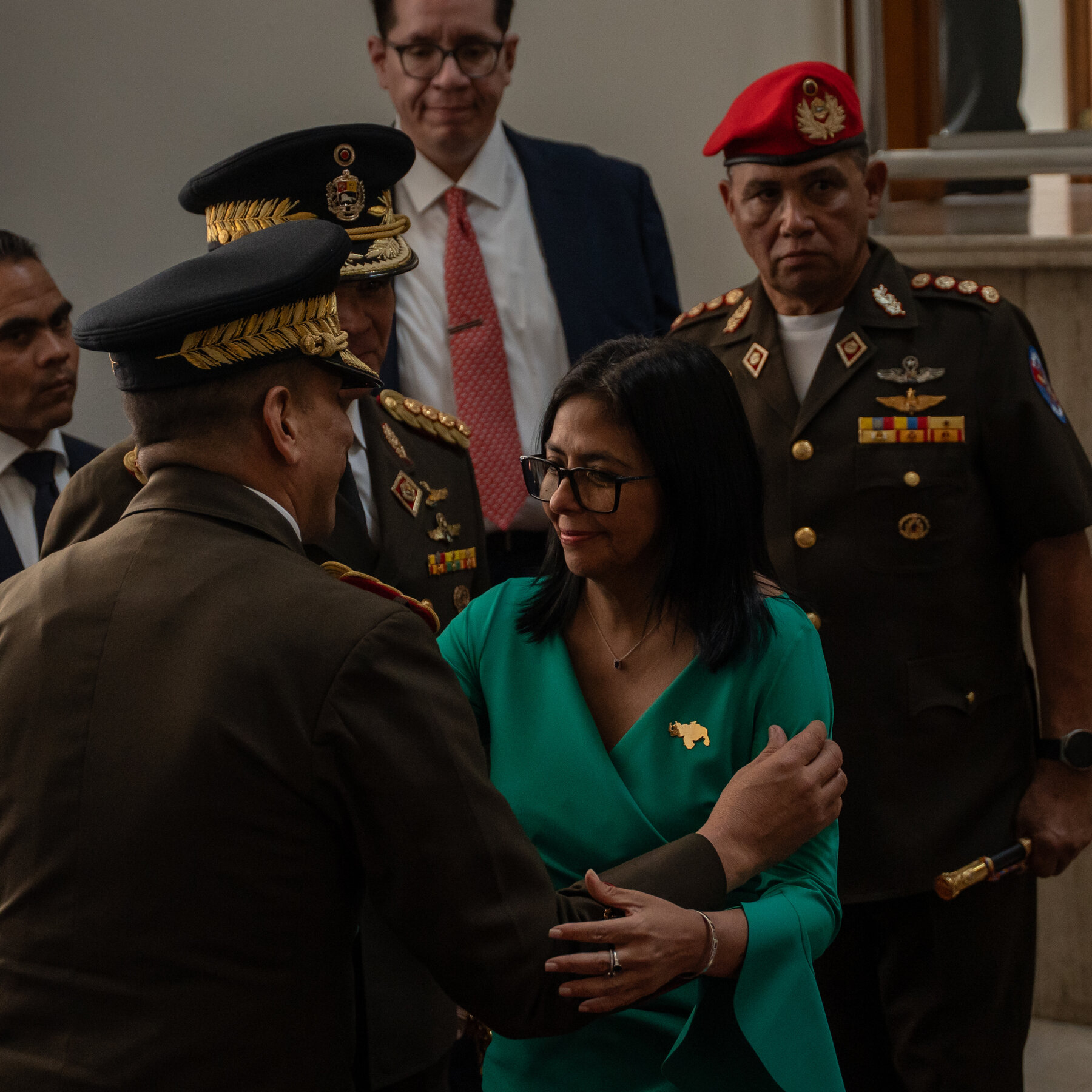
Political Realignment in Venezuela: Allies Face Purge Under New Leadership
The transition of power within Venezuela is marked by significant internal purges, targeting key figures who were instrumental in maintaining the authority of the former administration. According to recent developments, the emerging power structure is systematically removing allies and supporters who were closely associated with the previous regime’s stability. This campaign of removals suggests a profound reshaping of political allegiances and power dynamics following the change in leadership.
These purges are not merely routine staff changes; they represent a deliberate effort to dismantle the networks and loyalties that helped sustain the previous ruling circle. The actions signal a decisive break from the established power base, indicating that the incoming leadership intends to assert its own control by methodically replacing established figures with new appointees.
Understanding the Significance of the Purges
The removal of long-time supporters holds several layers of significance for the country’s political landscape. On one level, it is a mechanism for solidifying the new guard’s uncontested authority. By systematically sidelining those who were comfortable with the previous status quo, the new leadership can quickly establish a distinct operational culture. This move sends a clear message throughout the political apparatus: loyalty must now be directed toward the emerging power, not the history of governance.
Furthermore, such purges often precede deeper structural reforms, whether political, economic, or institutional. The vetting process implied by these removals suggests that the incoming faction is not merely taking over a shell of the old system, but is actively intending to rebuild foundational support structures from the ground up, free from the influence of past alliances.
Contextualizing the Political Shift
To understand the depth of these internal machinations, one must consider the complex political environment Venezuela has navigated. Prolonged periods of centralized power and political turbulence naturally create deeply entrenched factions. When that power dynamic shifts, the fallout is rarely orderly. What is unfolding now appears to be a necessary, if disruptive, process of accountability for the structure of power itself. The departing allies, who once benefited from the established order, are now finding their roles terminated as the new directives take hold.
The impact of these purges extends beyond mere job titles; they affect institutional memory and operational capacity. By purging veterans who were intimately familiar with the inner workings of the previous structures, the new administration may simultaneously gain control and lose critical institutional knowledge, leading to periods of necessary readjustment and potential operational slowdown while new loyalties are cultivated and implemented.
Future Trajectories
The unfolding scenario suggests a prolonged period of internal political maneuvering. While the initial goal appears to be securing the new power base by removing competing loyalties, the sustainability of this new order will likely depend on its ability to address the underlying economic and social stability that fueled the previous regime. The methodical removal of allies is thus one facet of a much larger, ongoing effort to redefine the operational parameters of governance in the nation.
About the Author