South Lebanon Operations Continue Amidst Limited De-escalation with Hezbollah
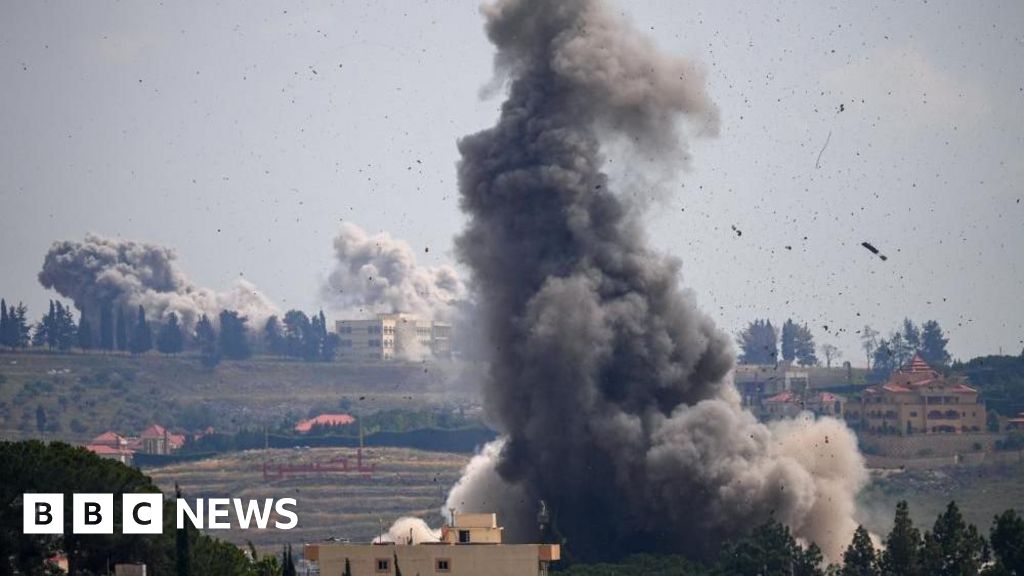
Military activity remains concentrated in the southern regions of Lebanon as Israel continues targeted strikes against Hezbollah-aligned areas. However, the overall intensity of the conflict appears constrained by a fragile, localized truce. This partial de-escalation has notably preserved the Lebanese capital from direct military action, marking a distinct operational boundary that suggests a temporary armistice has taken effect between the major factions.
The current dynamic shows Israel maintaining its military pressure in the south while adhering to a specific agreement that reportedly shields Beirut from aerial bombardment. This restraint in the capital followed diplomatic concerns that Israeli actions in the wider region could jeopardize broader negotiations aimed at resolving the conflict. The exchanges have been characterized by intermittent shelling and military confrontations across various front lines.
What This Means: Navigating a Fragile Truce
The ongoing pattern indicates that while direct large-scale warfare is being avoided, military tensions remain highly volatile. The operational limits suggest that major escalations involving the capital city are currently contained by external diplomatic pressures or internal agreements. For the Lebanese population, this means that while the immediate threat of city-wide shelling may have subsided, intense localized conflict remains a palpable risk in the southern territories. The focus shifts from large battles to maintaining these precarious checkpoints of calm.
Context of Recent Violence and Impact
Despite the partial lull, the impacts of the fighting have been devastating for civilian areas. Reports detail substantial damage in populated zones, with air strikes causing significant structural destruction. Hospitals and surrounding neighborhoods have been severely impacted, indicating that the violence has reached deep into civilian life. Medical personnel have been heavily involved in managing the aftermath, dealing with casualties and coordinating care in areas reduced to rubble. The physical devastation serves as a stark reminder of the conflict’s reach, irrespective of the front lines.
The situation reflects a complex interplay between military force, regional diplomacy, and civilian safety. The targeted strikes in the south, coupled with the cessation of strikes over Beirut, establish a highly compartmentalized conflict zone. This pattern suggests that external actors and local agreements are playing a pivotal role in dictating the scope and severity of the fighting at any given moment.
About the Author