Junior Doctors Plan Major Industrial Action Amid Ongoing Pay Negotiations
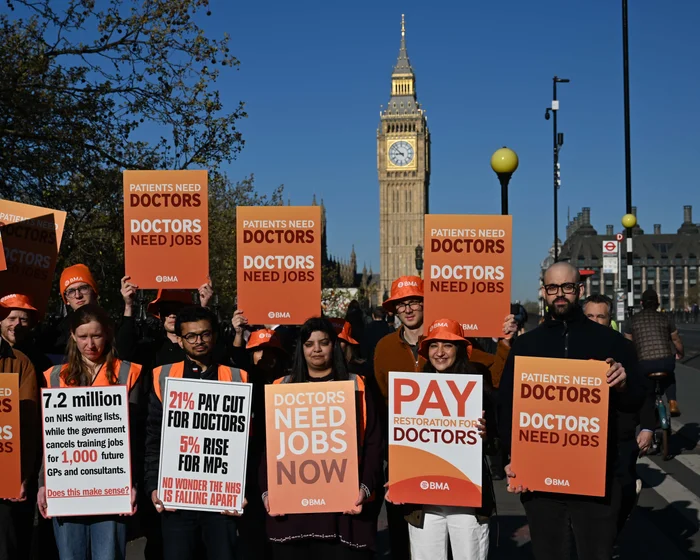
Junior doctors across England are preparing for a significant period of industrial action next month, marking their fifteenth major strike action as part of a prolonged and contentious debate surrounding pay and working conditions. The planned disruption is set to span four full days, beginning in the early hours of the week and concluding toward the end of the following week. This planned stoppage represents a serious escalation in the ongoing labor dispute between the medical profession and the government.
The medical community has made its discontent palpable, publicly directing criticism towards the government’s handling of the healthcare sector’s finances and workforce management. The union representing the doctors has signaled that this latest action is but one step in a continuous effort to secure better terms of employment. If negotiations fail to yield substantial movement on the key demands put forward by the medical representatives, further widespread industrial action is anticipated throughout the coming months.
Significance for Healthcare Delivery
The potential for successive, large-scale work stoppages raises serious concerns regarding the stability and continuity of patient care across the country. When key medical professionals withhold their labor for extended periods, the immediate impact is felt across various hospital departments and primary care settings. Stakeholders are closely monitoring the trajectory of these negotiations, as prolonged disputes inevitably strain public services and affect patient access to routine and emergency care alike.
Context of the Dispute
The root cause of the escalating tensions centers on the perceived failure of recent governmental pay settlement offers to keep pace with the rising cost of living and the increased pressures placed on the healthcare workforce. Junior doctors argue that their current compensation and working structures do not adequately reflect the increased scope of their responsibilities or the intense level of dedication required to maintain the national health service. The negotiation process has become increasingly protracted, fueled by differing views on the long-term funding model for medical training and practice.
The collective decision to stage this further period of work disruption underscores the depth of dissatisfaction within the practicing medical ranks. It signals a significant impasse where dialogue, while ongoing, has seemingly stalled on critical financial and professional recognition points, pushing the workforce toward direct industrial action to force a reassessment of the current policy framework.
About the Author