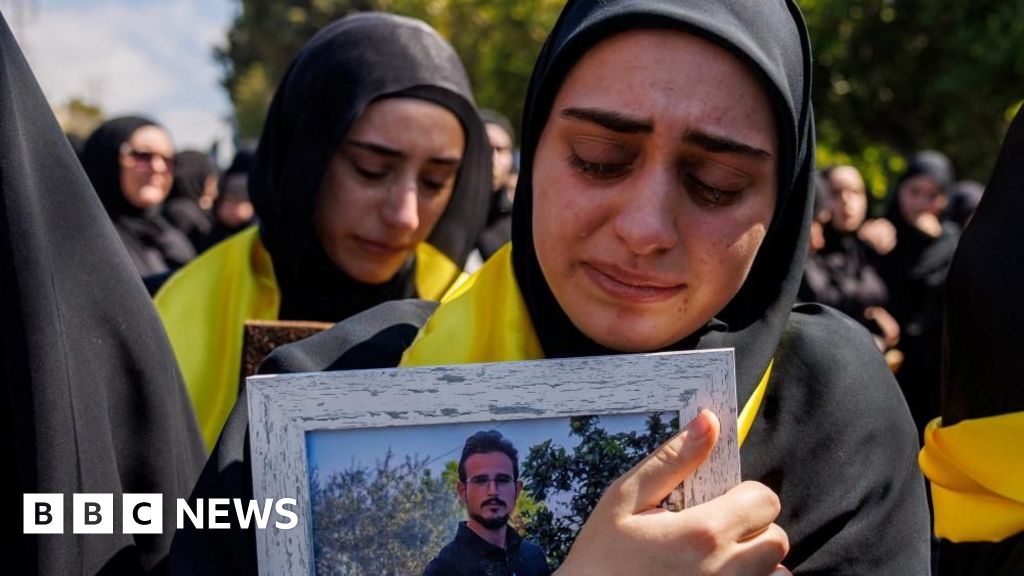
Escalation and Civilian Toll Mark Recent Tensions
Official reports indicate that the cumulative number of fatalities in Lebanon resulting from Israeli strikes has passed the 3,000 mark. This high casualty count reflects the intensity of the ongoing conflict between Israel and Hezbollah, which escalated significantly in early March. Despite recent agreements aimed at a cessation of hostilities, the violence remains active, making the cumulative human cost a grim indicator of the volatile situation.
The conflict’s roots trace back to actions involving Hezbollah, an Iran-affiliated group, following an earlier Israeli strike. While a truce arrangement was recently extended, meant to provide a pause while diplomatic talks continue, the fighting has not ceased. Reports suggest that even during periods designated as quiet, violations by various armed factions have contributed to the rising death toll.
Impact of the Fragile Truce
The extension of the ceasefire, brokered by international mediators, was intended to stabilize the region and allow for ongoing negotiations. However, the actual implementation of this pause has proven difficult. Israeli military actions, reportedly aimed at countering Hezbollah’s military presence, have continued across several towns and villages within southern Lebanon and the Bekaa Valley. These sustained operations have led to repeated civilian casualties and have highlighted the challenges in enforcing a sustained period of peace.
Lebanon’s government has expressed profound concern over these strikes, asserting that the military operations undermine the state’s ability to establish centralized control over the weapons held by various armed groups within its borders. The cycle of conflict—escalations, partial truces, and resumed strikes—has placed immense strain on the nation’s infrastructure and its population.
Regional Implications and Military Posturing
The operational area remains a flashpoint, with Israeli ground forces maintaining an occupying presence in a strip of territory near the Lebanese border. Furthermore, the conflict involves localized exchanges of fire, including reports of drone activity and engagements reported by both sides. These continuous skirmishes demonstrate that while high-level ceasefires may be negotiated, de-escalation on the ground remains an unresolved and highly contested objective for the involved parties.
The sheer scale of the reported fatalities underscores the depth of the crisis, one that continues to impact civilian life despite international efforts to broker a durable end to the hostilities. The situation demands sustained diplomatic attention to prevent further deterioration of the security landscape.
About the Author