Community Groups Challenge Massive AI Data Center Plans in Utah Amid Legal Action
A significant legal challenge has emerged regarding the development of a major artificial intelligence data center in Utah. Local residents, joining forces with a local non-profit group, have filed a lawsuit arguing that the planned facility imperils the public’s right to sufficient community consultation and oversight. The core of the legal action centers on the belief that the scale and nature of the development are proceeding without adequate input from the citizens directly affected by the construction.
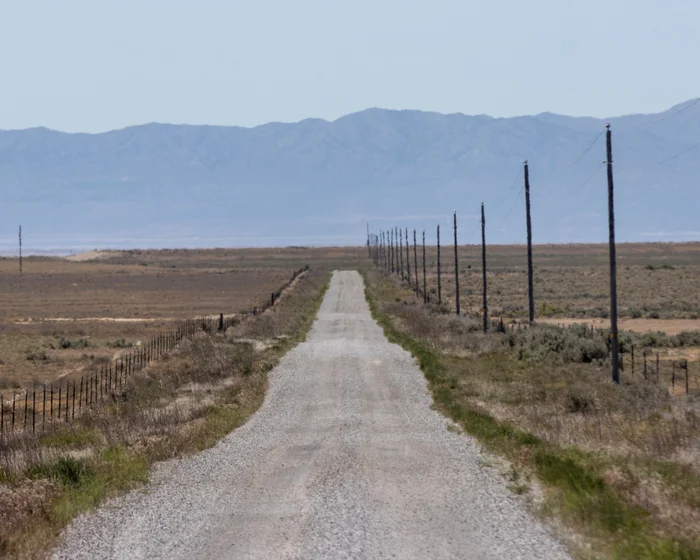
The controversy surrounds the project, which has garnered attention due to its backing by a prominent investor figure. While certain aspects of the development, including the physical size, have reportedly been reduced following mediation or agreement, the legal opposition maintains that fundamental concerns regarding environmental impact and civic participation remain unresolved. The suit was initiated by advocates representing the community in the Box Elder county area where the proposed technology hub is slated for construction.
The Implications for Local Governance and Tech Infrastructure
The filing of this lawsuit brings the tension between rapid technological expansion and local regulatory processes into sharp focus. Advocates are arguing that when projects of this magnitude—designed to house sophisticated AI computing power—are greenlit, the public impact assessment must be comprehensive and genuinely inclusive. The legal action essentially seeks to establish a high bar for necessary public engagement before such transformative industrial undertakings can move forward.
Broader Context: Balancing Innovation with Community Rights
This dispute exemplifies a growing national conversation regarding the location and impact of hyperscale data centers. As artificial intelligence becomes central to global industry, the physical infrastructure required to power it—massive amounts of land, energy, and water—is increasingly scrutinized. Community resistance often materializes when the process of approval feels opaque, or when the perceived benefits to the region do not demonstrably outweigh the potential strain on local resources or quality of life. The lawsuit attempts to redirect the focus from mere infrastructure placement to procedural fairness in the planning process.
About the Author