The ongoing legal examination concerning the results of the 2020 General and Regional Elections has resumed, with key testimony proceeding before the magistrate. Central to the current proceedings is the account of a witness who has previously taken the stand, raising earlier concerns regarding the documentation and speed of the vote tallying process. The court's focus remains on scrutinizing the evidence collected from the period of the vote tabulation, specifically involving video footage captured at the location where initial counts were conducted.
During the session, efforts were made to present recorded documentation detailing events that transpired during the counting period. Despite minor technical interruptions with the equipment, select video segments were shown to the court. These videos allowed the witness to identify various individuals present and explain the context of the activities captured on film. One notable account involved describing a significant disruption within the tabulation room, amidst the presence of observers and what was characterized as a heated dispute, with certain high-ranking election officials being central figures in the described conflict.
### What This Means: The Weight of Evidence
The continuity of these proceedings highlights the judicial system’s commitment to uncovering the circumstances surrounding the disputed election outcomes. The introduction of documentary evidence, such as the video recordings, means the court is moving beyond purely testimonial accounts to examine physical proof. These hearings are crucial because they aim to determine the integrity of the results declaration process, examining how the initial counts were managed and what disagreements arose among election staff and observers.
### Background and Legal Context
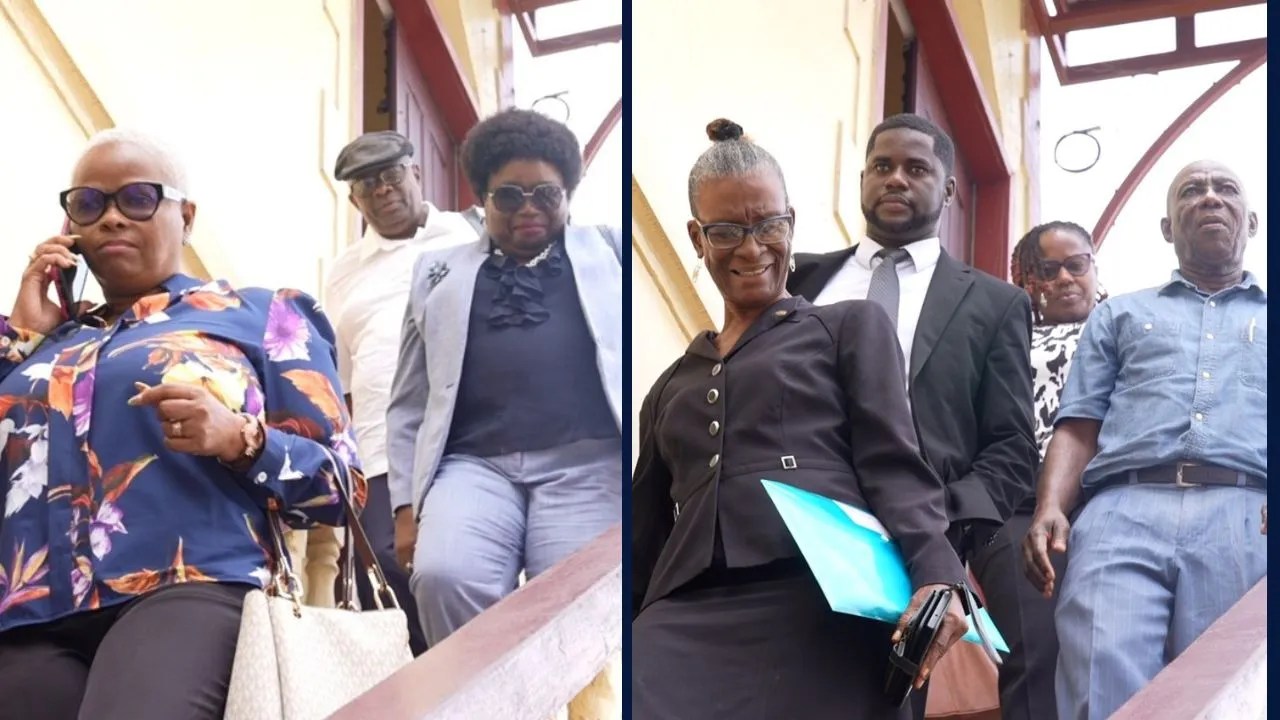
Nine individuals stand before the court, formally accused of collaborating to improperly alter the final count of the March 2020 votes, allegedly to prejudice the outcome in favor of a specific political coalition and prevent a potential victory for an opposing party. The allegations stem from a widely disputed election cycle that resulted in a notable delay before the official declaration of results, ultimately leading to the swearing-in of the new administration. The legal process involves careful cross-examination and the application of rules regarding the admissibility of evidence, all contributing to the complex build-up of facts presented to the judiciary.
About the Author