The Escalating Arms Race: Ukraine’s Defensive Needs and Missile Capabilities
The ongoing conflict has highlighted a critical asymmetry in military hardware between the involved parties. While one side possesses a significant and sustained capacity for launching sophisticated long-range missiles, the other is facing mounting pressures on its defensive shield. This disparity is leading to an increasingly urgent appeal for external military support to maintain operational defensive capabilities.
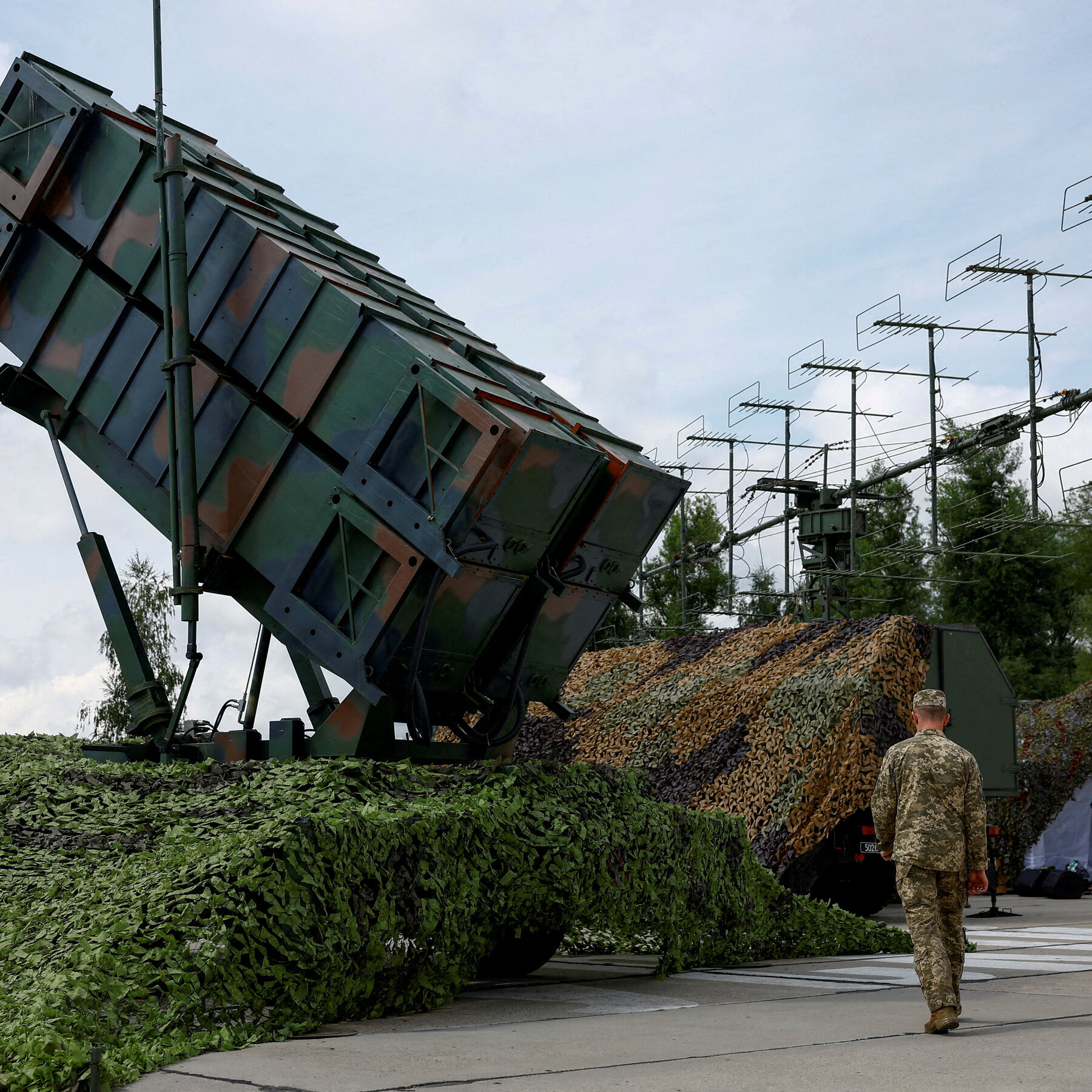
The core of the current challenge revolves around depleting air defense interceptors. Specifically, the consumption rate of advanced, Western-supplied systems, such as the Patriot interceptors, has reached a concerning level. The consistent barrage of aerial threats necessitates constant resupply, creating a logistical and materiel strain on the defending forces. As these specialized defensive components dwindle, the window for effectively mitigating incoming missile threats narrows considerably.
Implications for Battlefield Stability
The depletion of crucial anti-missile weaponry has direct ramifications for the stability of the front lines. Effective air defense is not merely about intercepting single threats; it is about maintaining a layered and redundant capability to counter diverse vectors of attack. When the primary interceptors are scarce, defensive operations become more reactive rather than proactively robust. This situation raises questions about the sustainability of current defensive postures against sustained, high-volume attacks.
The implications extend beyond mere defense. A weakened defensive umbrella increases the risk to critical civilian infrastructure, military logistics hubs, and energy supplies. Protecting these assets requires an assured supply chain of advanced defensive ordnance, making the international provision of such matériel a matter of immediate strategic concern.
Strategic Context and Material Flow
From a hardware perspective, the conflict reveals a profound gap in defensive readiness. One side maintains a large, well-established arsenal capable of projecting power over vast distances using ballistic missile technology. Conversely, the defensive side is continually struggling to match the sheer volume and technical complexity of the threats it faces. This asymmetry demands a steady infusion of high-end, specialized weaponry to keep pace with the offensive capabilities being employed.
Maintaining air superiority and operational depth requires more than just frontline troops; it demands layers of technological defense. The international community’s role in supplying these highly specific interceptor components is therefore viewed through a critical lens. The ability to secure and integrate these advanced defense systems remains pivotal to the strategic calculus of the war efforts.
About the Author