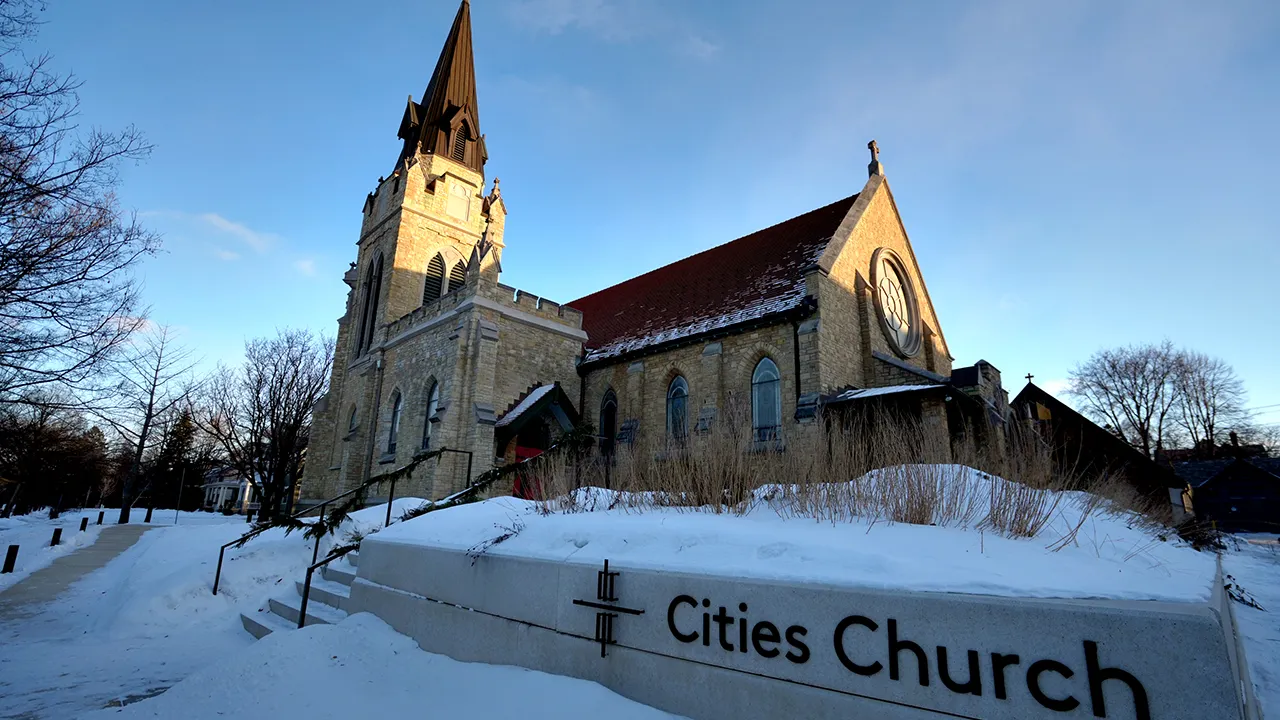
The legal outcome following the disruption of a religious service in St. Paul, Minnesota, has concluded with state prosecutors deciding not to file criminal charges against dozens of anti-ICE demonstrators. This decision, announced by the City Attorney’s office, indicated that the compiled evidence was insufficient under Minnesota state law to support any formal prosecution. The evaluation of video evidence and investigative reports led prosecutors to determine that the threshold for state criminal charges had not been met.
Despite the local decision regarding state charges, the situation remains multifaceted. Federal authorities have pursued a separate course of action, filing civil rights violation charges against a number of individuals, which include journalists. These federal cases are continuing and remain under pending review.
The decision by local prosecutors has drawn significant criticism from religious leaders. Several church representatives expressed profound disappointment and alarm, suggesting that the ruling essentially provides an immunity shield for individuals who engage in actions that severely disrupt established religious services. They voiced concerns that the legal standard effectively legitimizes unauthorized intrusions into places of worship, regardless of the protestor’s stated grievances.
Contextually, the protests were centered on allegations concerning the church’s leadership and perceived ties to federal immigration enforcement operations. Activists gathered to voice dissent following revelations that a pastor associated with the congregation had connections to Immigration and Customs Enforcement (ICE) activities in the region. This focus stemmed from broader community concerns regarding federal law enforcement actions.
These differing legal outcomes—a dismissal at the state level versus active federal charges—highlight the complex legal and social tensions surrounding protest rights versus the undisturbed practice of religion. The situation underscores the ongoing debate about the boundaries of civil assembly when these activities directly interfere with institutional gatherings.
About the Author