Racial Dynamics Under Spotlight as Key Trial Commences in High-Profile Stabbing Case
A highly charged murder trial is set to begin proceedings following weeks of intense public scrutiny. The case centers on the fatal stabbing of a high school track athlete that occurred during a competitive meet. The legal proceedings are further complicated by prominent debates surrounding jury composition, drawing national attention to matters of race within the justice system.
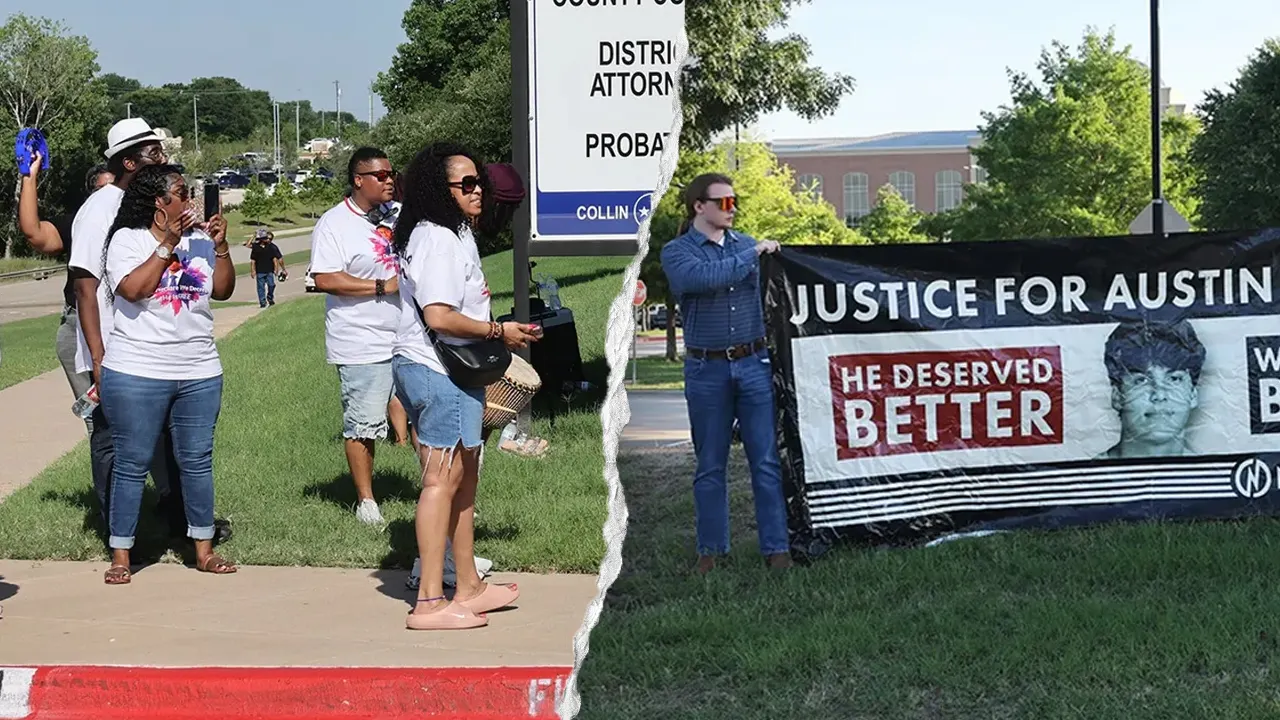
The core of the legal battle revolves around a claim of self-defense advanced by one of the primary defendants. The circumstances surrounding the incident have mobilized passionate support groups on both sides, leading to visible demonstrations outside the courthouse as the legal machinery gears up for testimony and evidence presentation.
The Significance of Jury Selection
One of the most immediate points of contention has been the selection process for the jury itself. Reports indicate that the jury ultimately selected lacked representation from Black citizens. This specific demographic outcome has fueled considerable discussion among legal observers, sparking conversations about potential systemic biases within jury selection practices. Furthermore, the legal arguments surrounding the striking of potential jurors—specifically concerning whether race played an underlying role in those decisions—have already led to formal legal challenges, such as the invocation of a specific motion designed to test for racial bias during jury selection.
Legal counsel for the accused have voiced specific concerns regarding the process, contrasting arguments about whether demographic factors were the true reason behind the dismissal of certain potential jurors. These legal maneuvers are not only vital to the immediate trial but could also establish precedents for future appeals, underscoring the intense scrutiny placed on the integrity of the judicial process.
Contextual Background
The incident itself took place during a local athletic event involving two teenagers. The differing accounts of the confrontation have fueled considerable public discourse across various media channels and social networking platforms. While the public conversation has been voluminous and highly emotional, legal professionals connected to the case have consistently cautioned the public against drawing conclusions before the full presentation of all material evidence in a controlled courtroom setting.
Ultimately, the trial is expected to move forward with the commencement of formal statements shortly, requiring the jury and the legal teams to navigate not only the facts of the event but also the palpable atmosphere of racial tension surrounding the proceedings.
About the Author