Legal Repercussions Follow Anti-Immigration Protest Targeting Federal Transfers
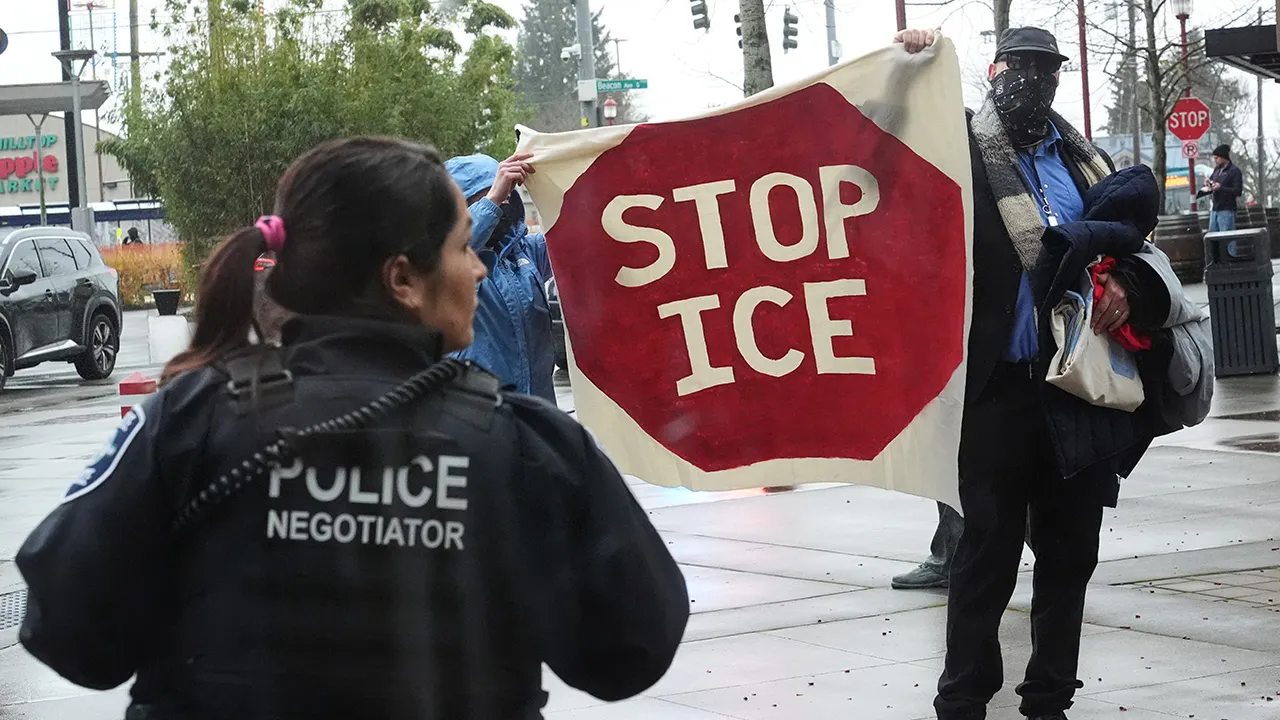
A recent legal action has concluded for several individuals involved in protests that occurred in Washington state against federal immigration enforcement activities. Three defendants, identified as Jac Archer, Justice Forral, and Bajun Mavalwalla II, were convicted on federal conspiracy charges. These charges stemmed from an incident where the group attempted to impede the transfer of two detained immigrants between locations in Spokane and Tacoma during a specific timeframe last year.
The controversy ignited following a call to action spread through social media, urging supporters to physically block a designated transfer bus. These protests were part of a broader movement reacting to the operations of U.S. Immigration and Customs Enforcement (ICE) in the region. The participation in the blockade was connected to the status of the detainees, with one of the individuals involved reportedly having a local official as a sponsor while seeking asylum in the United States.
The convictions mark a formal resolution to confrontations involving numerous demonstrators who gathered to protest the federal immigration processes. While some organizers and participants ultimately pleaded guilty in exchange for modifications to their sentences, the criminal proceedings underscore the tension between public protest activity and federal law enforcement operations.
Significance of the Convictions
The outcome of these trials highlights the legal boundaries surrounding civil disobedience when it directly interferes with federal government functions. The focus of the prosecution centered on the conspiracy to prevent authorized federal officers from carrying out their duties. This indicates that while protest remains a cornerstone of free speech, actions that amount to physically blocking or obstructing official governmental transport or processes can lead to significant federal criminal charges.
Broader Context of Immigration Protests
Tensions surrounding immigration enforcement in Washington state have seen various demonstrations over time. Reports detail instances where protesters have mobilized near federal facilities, sometimes leading to confrontations with law enforcement. These gatherings typically mobilize in response to specific policy changes or ongoing enforcement actions taken by federal agencies. The legal fallout from these demonstrations serves as a notable case study regarding the balance between constitutional rights of assembly and the operational authority of federal law enforcement bodies.
Impact on Local Politics and Activism
The events have drawn commentary from local elected officials, with some voices offering criticism regarding the conduct of the protest organizers or their subsequent involvement in the legal proceedings. These discussions suggest that the actions taken during these demonstrations have permeated the local political dialogue, drawing attention to the methods of activism used and the legal framework governing those actions.
About the Author