Legal Uncertainty Lingers as Harvey Weinstein Trial Ends in Mistrial
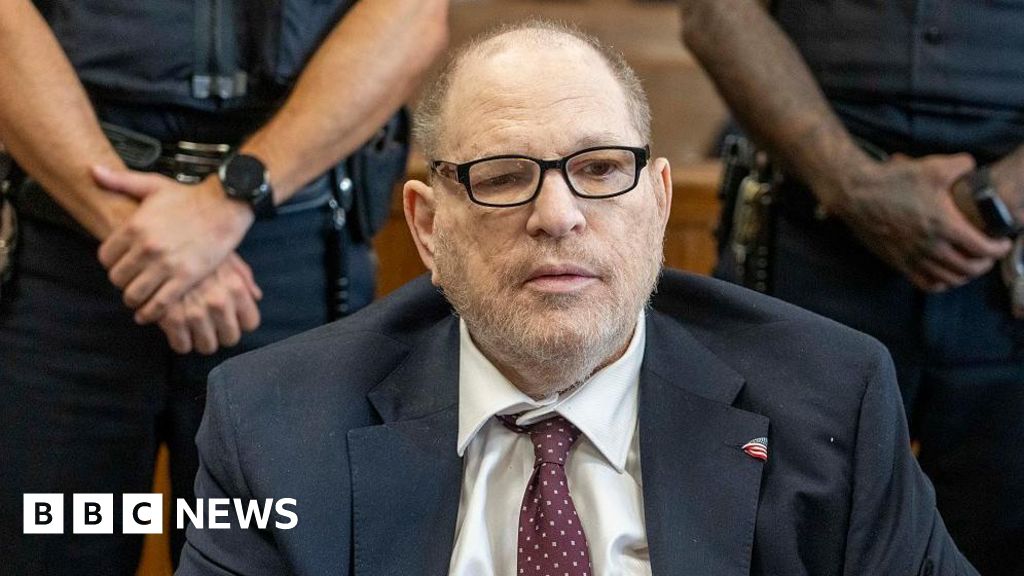
A significant legal proceeding against Harvey Weinstein has concluded without a definitive verdict, as a jury in New York was unable to reach a unanimous decision regarding allegations of sexual assault. This declaration of a mistrial represents the third time that a jury in New York has grappled with the accusations leveled against the notorious film industry figure. The focus of the recent, month-long legal battle centered on allegations that Weinstein sexually assaulted an aspiring actress within a hotel setting more than a decade prior.
The outcome immediately throws the legal path forward into question. Previous legal actions against the mogul have seen varying results, including an initial conviction that was subsequently overturned, and a mistrial declared by a judge during a prior attempt at a verdict. Amid the ongoing legal drama, numerous women have come forward since late 2017, providing testimony concerning a wide array of alleged misconduct, including accusations of rape, against Weinstein. The accused has maintained his consistent denial of all wrongdoing.
Implications of the Mistrial
The immediate consequence of the hung jury is an uncertain future for the prosecution’s efforts in this specific case. Prosecutors have acknowledged the disappointment surrounding the outcome while simultaneously expressing profound respect for the jury process. Official statements indicated that decisions regarding any further charges would be made after careful consultation, considering both the testimony presented and the ongoing sentencing proceedings related to other pending criminal matters. The overall commitment, however, remains clear: to pursue prosecutions for sexual violence regardless of the defendant’s identity, prioritizing the accounts of survivors.
Weinstein’s legal team interpreted the mistrial not as a failure of the process, but rather as a reflection of broader societal currents. Their statement suggested that intense public sentiment and ingrained prejudice regarding the defendant have created a situation where a ‘not guilty’ decision may be viewed by some segments of the public as emotionally or socially unpalatable, regardless of the evidence presented in court. Furthermore, the defense argued that the legal resources expended on repeated trials should instead be dedicated to addressing immediate and tangible public safety concerns affecting the community.
Context of the Ongoing Legal Battle
The saga surrounding Harvey Weinstein has profoundly reshaped conversations about accountability within the entertainment industry. Since multiple allegations surfaced in 2017, the story has drawn significant attention, marking a turning point in how sexual misconduct accusations are handled within the public and legal spheres. The multiple legal actions undertaken highlight the difficulty and complexity inherent in bringing charges related to historical instances of alleged abuse of power and sexual violence. The differing outcomes across various trials underscore the highly contentious and multifaceted nature of the evidence and the law itself when dealing with such severe allegations.
}y_output
About the Author