Immersive Technology: How Virtual Reality is Being Tested to Support Student Mental Wellness in London Schools
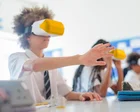
Educational institutions across London are pioneering the integration of virtual reality (VR) technology as a novel tool for student mental health support. In a significant pilot initiative, secondary schools in the Sutton borough have begun utilizing VR headsets. This technology is being deployed not just as a classroom gimmick, but as a structured intervention designed to equip students with coping mechanisms for various forms of anxiety and stress.
The program operates in collaboration with the local National Health Service (NHS) mental health trust. This partnership underscores the seriousness of the initiative, positioning mental well-being as a key educational priority. The VR modules are being used to address a spectrum of challenges facing modern students, ranging from the intense performance pressure associated with major examinations to managing symptoms related to neurodevelopmental conditions like ADHD, as well as navigating stressors originating from challenging domestic environments.
The deployment across all secondary schools in the area suggests a scalable model for addressing widespread student anxiety. By immersing students in controlled, digital environments, educators and clinicians hope to provide a therapeutic diversion and teach practical, calming techniques that can be applied to real-world stressors outside the headset.
What This Means: A Shift in Mental Health Pedagogy
This move signals a broader shift in how educational systems approach student welfare. Rather than relying solely on traditional counseling or academic support systems, the integration of sophisticated technology suggests a recognition that preventative mental health care must become as integrated into the school day as traditional subjects. The concept moves the focus from simply diagnosing distress to actively training emotional resilience.
For students dealing with anxiety, for example, the virtual environments can simulate safe spaces or engaging, distraction-free scenarios. This controlled exposure allows students to practice relaxation techniques, mindfulness exercises, or focus redirection under guided supervision. This therapeutic practice in a digital realm offers a low-stakes opportunity for habit formation, potentially providing tools that students can carry with them long after the pilot program concludes.
Background and Context: The Rise of Digital Therapeutics
The current educational landscape is characterized by unprecedented academic pressure coupled with heightened social awareness of mental health issues. This confluence of factors has led to increased rates of stress and anxiety among adolescents. Historically, support mechanisms have often been reactive—treating distress after it manifests significantly. The current VR implementation represents a more proactive, preventative approach.
The use of VR in clinical and educational settings is not new, but its application at this scale within public school systems marks a notable step. According to reports on similar pilot programs, virtual reality can effectively induce a state of ‘flow’—a deep absorption in an activity that blocks out peripheral stress. When tailored with clinical oversight, this flow state can be leveraged to manage symptoms associated with executive function challenges or general overstimulation, offering structured relief that complements traditional therapy methods.
In essence, the combination of specialized technology, expert clinical partnership, and wide-scale educational rollout establishes a new benchmark for holistic student care, acknowledging the interconnectedness of academic performance and emotional stability.
About the Author




