Major Rail Service Disruptions Grip New York City Following Overnight Amtrak Train Fire
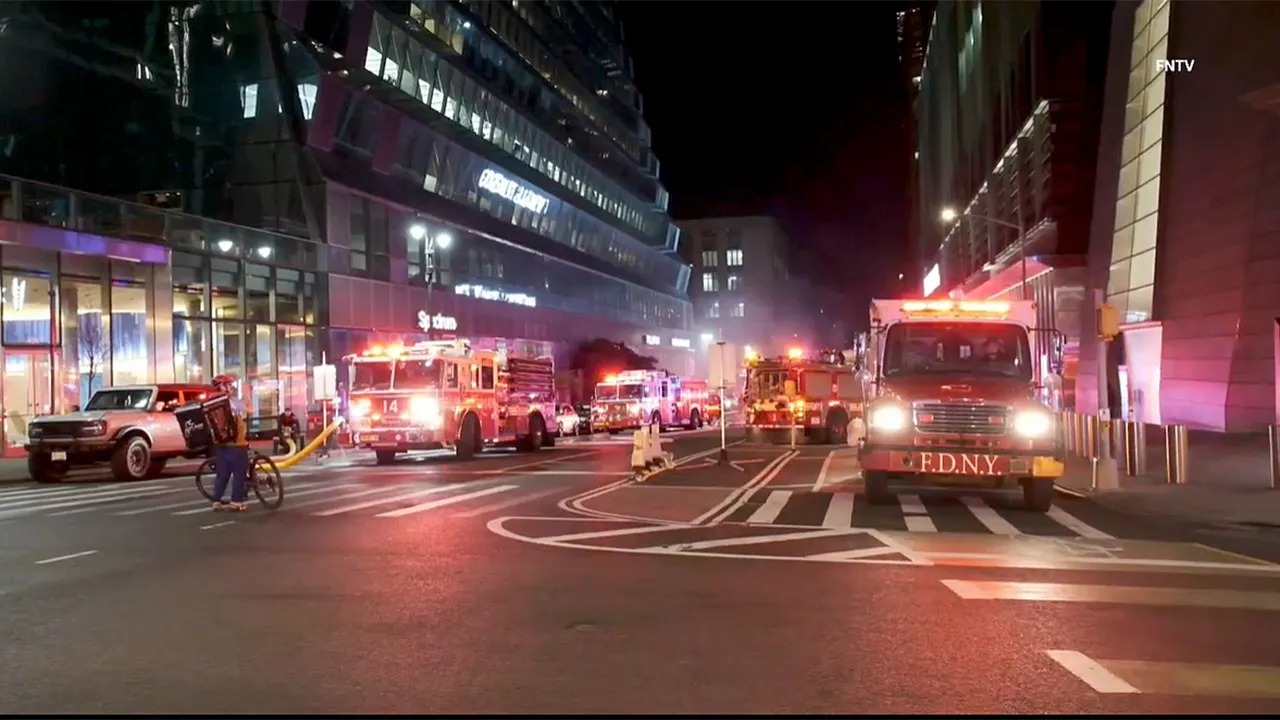
An incident involving a fire near Penn Station early Friday morning severely disrupted all commuter rail operations across New York City. An Amtrak work train reportedly caught fire within a section of the station’s tracks, leading to extensive emergency responses and prompting multiple transit agencies to suspend service. The blaze required a massive mobilization of fire and emergency personnel, shifting focus to containing the damage and managing the resulting chaos across the regional rail network.
The immediate fallout from the incident was a near-total paralysis of rail movement into the core of Manhattan. Major commuter lines, including New Jersey Transit and the Long Island Rail Road, were forced to suspend services, particularly those routes utilizing the affected infrastructure. Officials indicated that the damage sustained to overhead wiring and track elements necessitated thorough investigation and substantial repair work before normal schedules could resume.
What This Means for Commuters
The impact of the fire was felt throughout the morning commute, causing substantial travel delays and route cancellations for thousands of riders. For those depending on these arteries for daily travel, the disruption presented an immediate need to utilize alternate transportation methods, placing significant strain on subway lines and surface roadways. The services suspended by agencies like NJ Transit and LIRR meant that connecting travel between outlying suburbs and Manhattan was severely compromised for several hours.
The nature of the disruption highlighted the interconnectedness of the region’s critical transit infrastructure. A single point of failure, such as the fire on the Amtrak line, can trigger a cascade effect, bringing multiple, otherwise independent rail services to a standstill while emergency crews assess the full scope of the damage.
Context and Response
Emergency services responded to the scene when the alarm was raised, deploying dozens of units to the location. While the fire was eventually brought under control, five individuals were treated for injuries resulting from the incident. Official statements indicated that the primary concern after the fire subsided became the assessment of physical infrastructure damage, specifically the overhead wiring and track bed, which could not be safely used.
Investigations were immediately launched to determine the precise cause of the fire. The complexity of restoring service across multiple private and state-run rail systems means that repairs are not simple fixes; they require specialized engineering assessments and the replacement of major components, guaranteeing delays that extend well beyond the immediate morning rush period.
About the Author