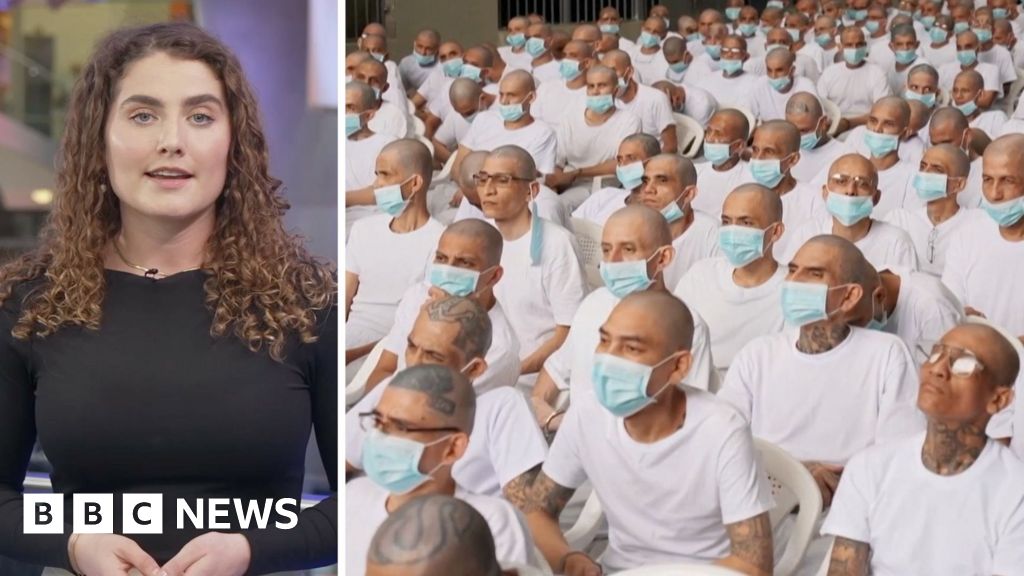
Mega-Trial Commences in El Salvador for Hundreds of Accused Gang Members
A significant legal action has been initiated in El Salvador, marking the commencement of a massive judicial proceeding involving 486 individuals accused of gang affiliations. Authorities have announced that this centralized trial aims to address charges stemming from a decade of alleged criminal activity, spanning from 2012 through 2022. The sheer scale of the case suggests allegations of systemic organized crime, encompassing offenses such as illicit trafficking of drugs and weaponry, extortion, and multiple counts of murder.
The proceedings have adopted a method of virtual participation, with video conferencing used to connect large contingents of incarcerated defendants to the courtroom proceedings. From the perspective of the prosecution, the accumulation of these charges totals tens of thousands of alleged offenses, indicating an attempt by the state to prosecute organized criminal enterprises on an unprecedented scale within its domestic legal framework.
Analyzing the Scope and Legal Implications
The undertaking to process such a vast number of defendants and an enormous catalogue of charges has drawn considerable attention, particularly from international human rights observers. Experts have voiced serious concerns, suggesting that such mass litigation processes inherently challenge fundamental legal tenets, including the right to a robust defense and the foundational presumption of innocence afforded to all detainees. These critiques highlight a tension between the state’s desire for accountability and established international standards of due process.
Despite these academic and advocacy critiques, the government’s legal department has presented evidence it deems sufficiently compelling. According to official statements, this body believes the weight of the collected proof warrants the imposition of the highest possible penalties upon any defendants found guilty during the proceedings. This assertive legal posture underscores the government’s commitment to asserting control over organized crime networks.
Contextualizing the Effort to Combat Gang Violence
The impetus behind such extensive judicial action is rooted in the ongoing efforts within El Salvador to address pervasive gang violence. The accumulated criminal allegations point to a period where organized criminal activity significantly impacted the nation’s social and economic fabric. By consolidating hundreds of individuals into one trial, the state is attempting to create a highly visible and deterrent legal mechanism against organized crime structures.
The necessity of the trial, from the governmental viewpoint, is to deliver a decisive legal blow against criminal organizations. However, the procedural methods employed—such as the reliance on virtual attendance for large groups—are frequently cited by human rights organizations as examples where the pursuit of collective justice risks overshadowing the individual rights and meticulous procedural guarantees afforded to the accused.
About the Author