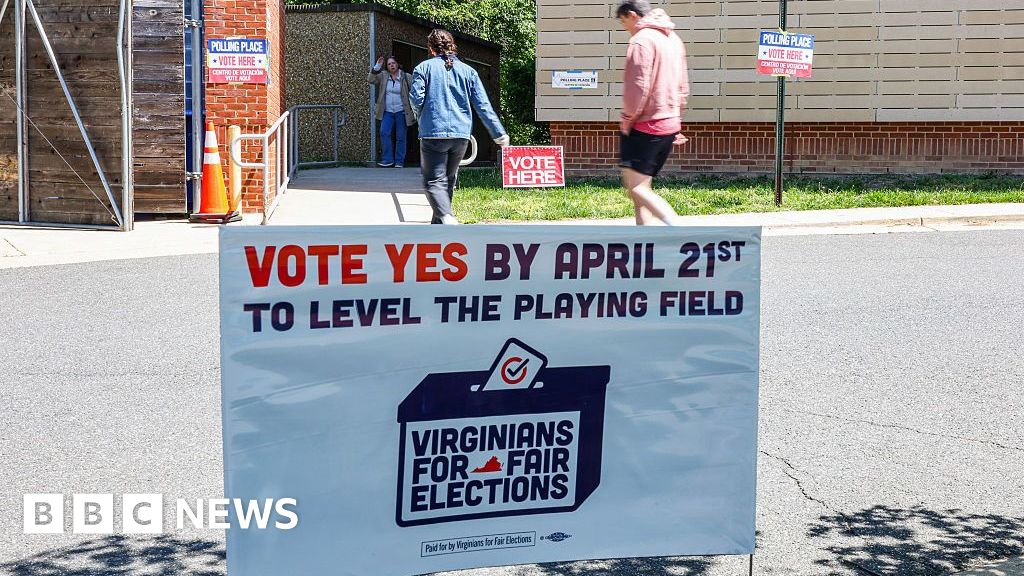
Virginia’s New Map Reshapes Congressional Landscape Ahead of Key Midterm Elections
A significant redistricting measure passed by Virginia voters is poised to dramatically alter the state’s political representation in the U.S. House of Representatives. This newly drawn congressional map is expected to provide a substantial advantage to the Democratic party, potentially enabling them to flip several seats currently held by Republicans.
The approval of this boundary redraw places Virginia at the forefront of a national trend concerning electoral map drawing. Following national political calls for states to review their voting districts, Virginia’s electorate weighed in on a measure that has substantial implications for the balance of power in Washington. The upcoming midterm elections will be pivotal, as the outcome of multiple districts could determine the majority party in the entire House.
This shift in the political geometry of the state is being viewed as a major development, with proponents arguing it has corrected the playing field for the electorate. The potential gain for Democrats, who currently hold a majority of the state’s seats, suggests a powerful realignment that could impact national political narratives and legislative agendas well into the future.
What This Means: Impact on National Politics
The primary impact of this new district configuration is its potential to shift the balance of power in Congress. Traditionally, the political party that controls the presidency faces an expected loss of seats in the midterms. If the Democrats achieve a majority following the elections, it represents a significant setback to established political strategies. Beyond merely gaining a legislative majority, such a shift could also unlock the possibility of heightened congressional oversight and investigations led by a different party.
Background and Context of Redistricting
The act of redrawing electoral boundaries, often termed gerrymandering, is a powerful tool in American politics. While federal law restricts challenging maps based on racial bias, the process itself remains a key battleground for partisan advantage. Before this recent vote, Democrats in the state maintained a significant, but not absolute, lead among the state’s congressional districts. The new map substantially increases the potential Democratic holding from six seats to as many as ten.
This complex process involved substantial financial backing from various political groups on both sides of the debate. The measure itself was reportedly the most expensive ballot initiative in Virginia’s history. Leading political figures have reacted strongly to the approval, with some expressing concern over the implications of a Democratic House majority, indicating the high stakes involved in the upcoming election cycle.
About the Author