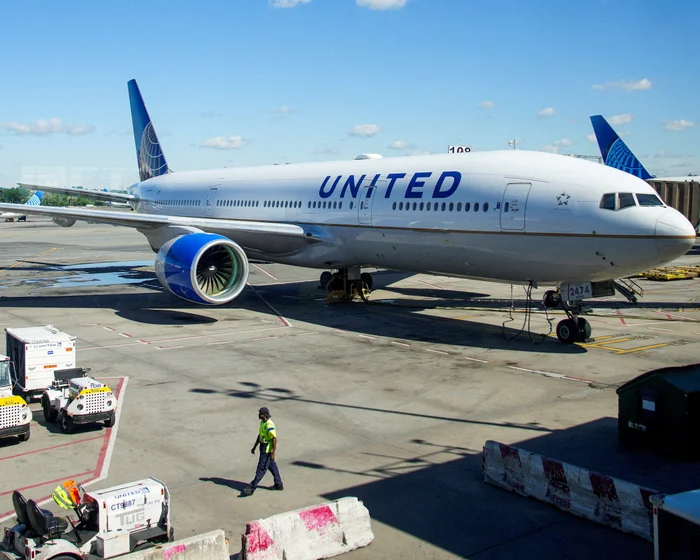
Aviation Security Heightened After Multiple Incidents Prompt Mid-Flight Turnarounds
Recent travel disruptions involving United Airlines aircraft have brought renewed attention to in-flight security protocols. On one occasion, a flight departing from Newark Liberty International Airport with the final destination of Spain was forced to turn around while airborne. This immediate operational change was triggered following the discovery of a portable electronic device—specifically, a Bluetooth item—that reportedly contained what authorities described as a concerning sequence of characters. The incident prompted a thorough security evaluation of the aircraft while it was still en route.
These events are not isolated. The disruption followed another concerning episode just the day prior, when a separate United flight destined for Minneapolis was diverted to Madison, Wisconsin. The deviation occurred after an incident involving an agitated passenger who was believed to have attempted unauthorized access to the flight deck, suggesting a breach of cockpit security procedures. These successive events underscore a pattern of heightened operational vigilance across the airline’s routes.
Understanding the Impact of Security Protocols on Air Travel
The implications of these turnarounds and diversions go beyond simple itinerary changes. They signify a temporary but significant disruption to scheduled air travel, leading to passenger inconvenience, schedule adjustments, and the reassignment of resources. When an aircraft must stop operations mid-journey for security inspections, the focus immediately shifts to assessing the nature and credibility of the perceived threat. Such measures, while crucial for maintaining passenger safety, inevitably create uncertainty and logistical hurdles for travelers who rely on precise flight schedules.
The Underlying Context of Aviation Security
The increasing focus on in-flight safety, as evidenced by these incidents, reflects an ongoing industry-wide commitment to mitigating various forms of risk. Aviation authorities continuously update guidelines and enforce stricter protocols to address evolving security challenges. Incidents involving suspicious electronic items or unruly behavior underscore the multifaceted nature of modern air travel risks. These operational pauses serve as critical, albeit disruptive, checkpoints to ensure that the integrity of the air vehicle and its passenger environment remains uncompromised before continuing the journey to the final destination.
Significance for Travel Confidence
For the traveling public, these reports serve as a visible reminder of the diligence inherent in global air transport. While every incident causes alarm, the subsequent safety measures implemented—such as detailed inspections of onboard electronics or the review of cockpit access points—are designed to maintain a high standard of safety. The industry must continually balance the need for seamless travel with the paramount responsibility of security assurance, ensuring that passenger trust remains robust despite localized incidents.
About the Author




