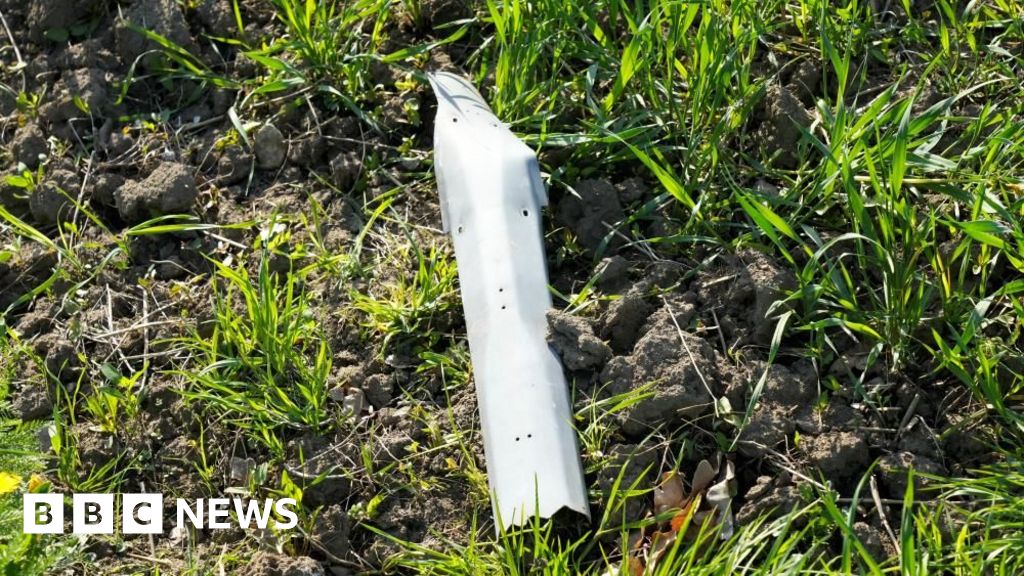
NATO Air Forces Intercept Suspected Projectile Over Estonian Territory
Reports have emerged detailing the interception of an aerial object over Estonian soil by a NATO fighter jet. Officials confirmed that the projectile, which reportedly fell as debris in a marshy area, was shot down by an F-16 aircraft originating from Romania. The incident took place recently, with authorities confirming that no damage resulted from the event, despite the object entering the nation’s airspace.
The immediate aftermath saw differing accounts from regional allies. Ukraine issued a statement addressing the event, suggesting the incident stemmed from Russian electronic jamming efforts. In their declaration, Kyiv offered apologies to Estonia and the other Baltic nations for what they characterized as an unintended mishap, while simultaneously accusing Russia of deliberately misdirecting Ukrainian drones originally intended for military objectives within Russian territory.
Implications and Regional Tensions
This latest event underscores the complex and volatile airspace security environment across the Baltic region. The repeated instances of unidentified or falling debris have intensified regional scrutiny and highlighted the persistent difficulties in managing the airspace shared by multiple geopolitical interests. The incident adds another layer of tension to already strained diplomatic and military relationships between NATO members, Ukraine, and Russia.
Context of Aerial Incidents
The narrative of stray aerial items is part of a broader pattern of reported incursions over NATO-aligned nations, including Latvia and Lithuania. In recent periods, incidents involving Ukrainian drones straying into Baltic airspace have drawn significant international attention. These events have periodically led to high-level political fallout among the Baltic states themselves. Furthermore, Moscow has repeatedly accused the Baltic nations of facilitating Ukrainian military operations, pointing to alleged use of their air corridors to strike targets inside Russia. These claims have been consistently and publicly refuted by the respective governments of Estonia, Latvia, and Lithuania.
Ongoing Security Landscape
The underlying context for these airspace tensions relates to the larger conflict initiated by Russia’s full-scale invasion of Ukraine. Ukraine has significantly increased its offensive military actions against targets located in Russia, including infrastructure near the Baltic states. The constant flow of hostilities and the resulting military activities contribute to the unpredictable nature of the airspace security discussed in recent reporting.
About the Author