Colombia at a Political Juncture: Analyzing the Contenders and Core National Debates
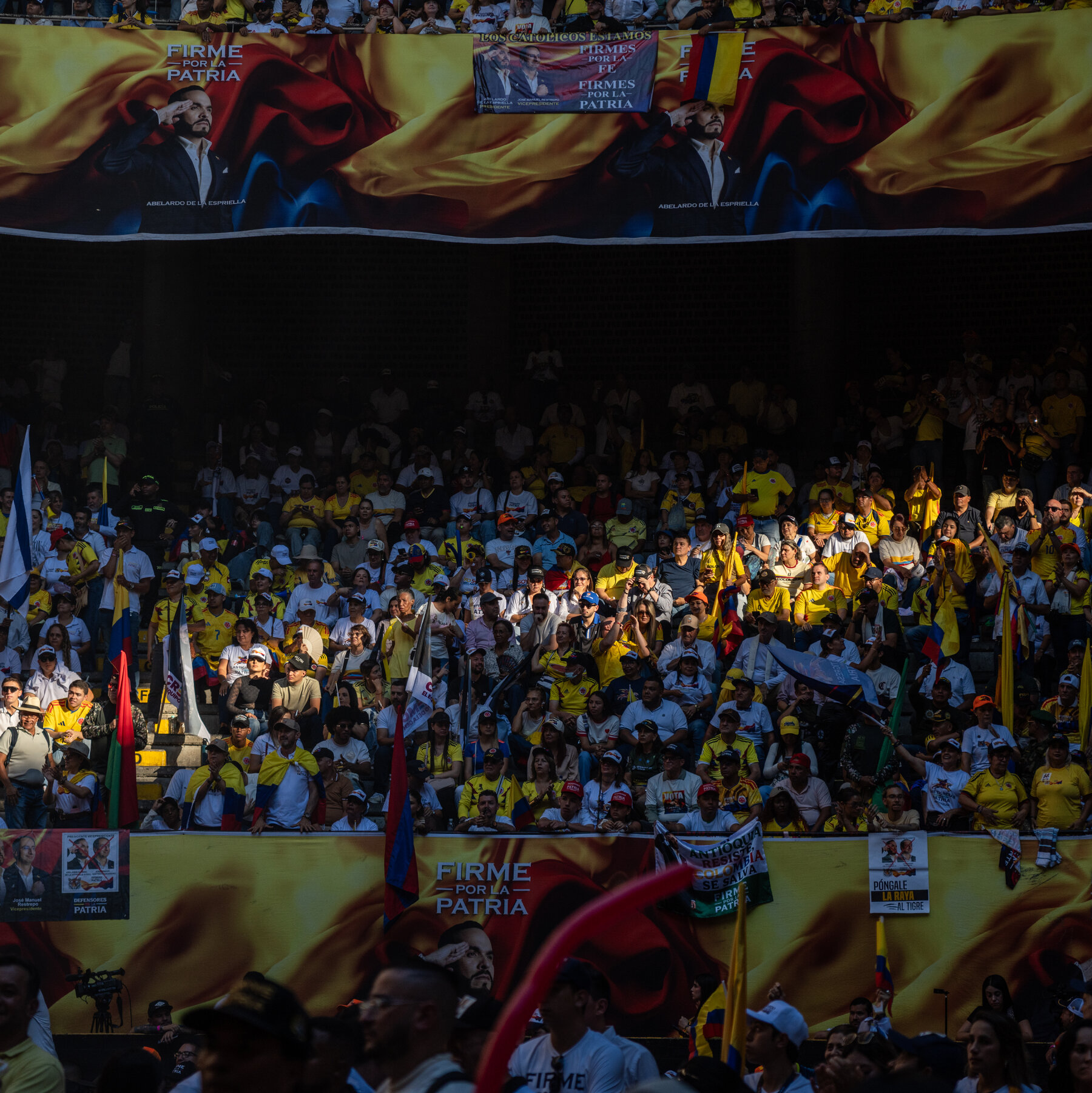
Colombia is poised for a critical test at the ballot box, with the upcoming presidential election serving as a reflection of the nation’s deeply divided political landscape. The contest pits established political figures representing different ideological poles against each other. Central to the debate are the implications of past administrations, as voters weigh the historical achievements and criticisms of the left-wing leadership against the promise of a radical shift from the political right.
The field of candidates presents a spectrum of visions for the country’s future, ranging from continuity with progressive policies to advocating for significant structural changes through more conservative or populist frameworks. Voters must grapple with fundamental disagreements over the role of the state, economic priorities, and the ongoing challenges related to internal security and social equity. The outcomes of this election are anticipated to reshape the nation’s trajectory for years to come.
The Significance of This Election
The contest’s outcome is widely viewed as more than just a change in administration; it represents a potential realignment of Colombian governance. The ideological confrontation is significant because it directly addresses unresolved tensions that have characterized Colombian society for decades—tensions surrounding economic models, institutional reform, and social justice. Depending on who assumes the presidency, the nation could pivot toward a period of accelerated reform efforts, or alternatively, face a return to established, more traditional governance structures.
The platforms put forth by the major contenders highlight this ideological chasm. One narrative centers on building upon the progressive foundations laid by a recent leftist leader, suggesting a continuation of social investment and state intervention. Conversely, the appeal of a far-right challenger suggests a desire for a dramatic break from the status quo, advocating for different approaches to security, economics, and governance. This polarization forces citizens to weigh immediate stability against transformative change.
Understanding the Competing Visions
One dominant storyline involves the evaluation of the legacy of the preceding leftist administration. Supporters point to specific policy successes, while critics highlight unfulfilled promises or the structural challenges that persist despite new leadership. This dynamic forces voters to engage in a detailed evaluation of policy execution rather than simply embracing an ideology.
Meanwhile, the presence of a strong right-wing contender introduces an element of unpredictable change. This segment of the electorate is drawn to calls for decisive action, often emphasizing private-sector growth and a restructuring of state-market relations. Pairing this challenge with a traditional conservative candidate completes the triad of competing visions, ensuring that debates cover everything from agrarian reform to energy policy. The interplay between these three gravitational forces—leftist continuation, far-right disruption, and conservative stability—will define the national dialogue.
Contextual Background for Colombian Politics
To grasp the stakes, it is important to consider Colombia’s deep historical undercurrents. The nation has a complex history involving periods of intense internal conflict, significant economic volatility, and ongoing efforts toward consolidating democratic institutions. The political dialogue is thus constantly informed by the memory of past unrest and the enduring quest for comprehensive peace and development across all regions. Therefore, any presidential mandate will be expected to navigate these deep societal fault lines while simultaneously addressing modern economic pressures, including inflation and infrastructure needs.
About the Author