Lebanon’s State Vacuum: Analyzing the Necessity of Militias Amid Sovereignty Debates
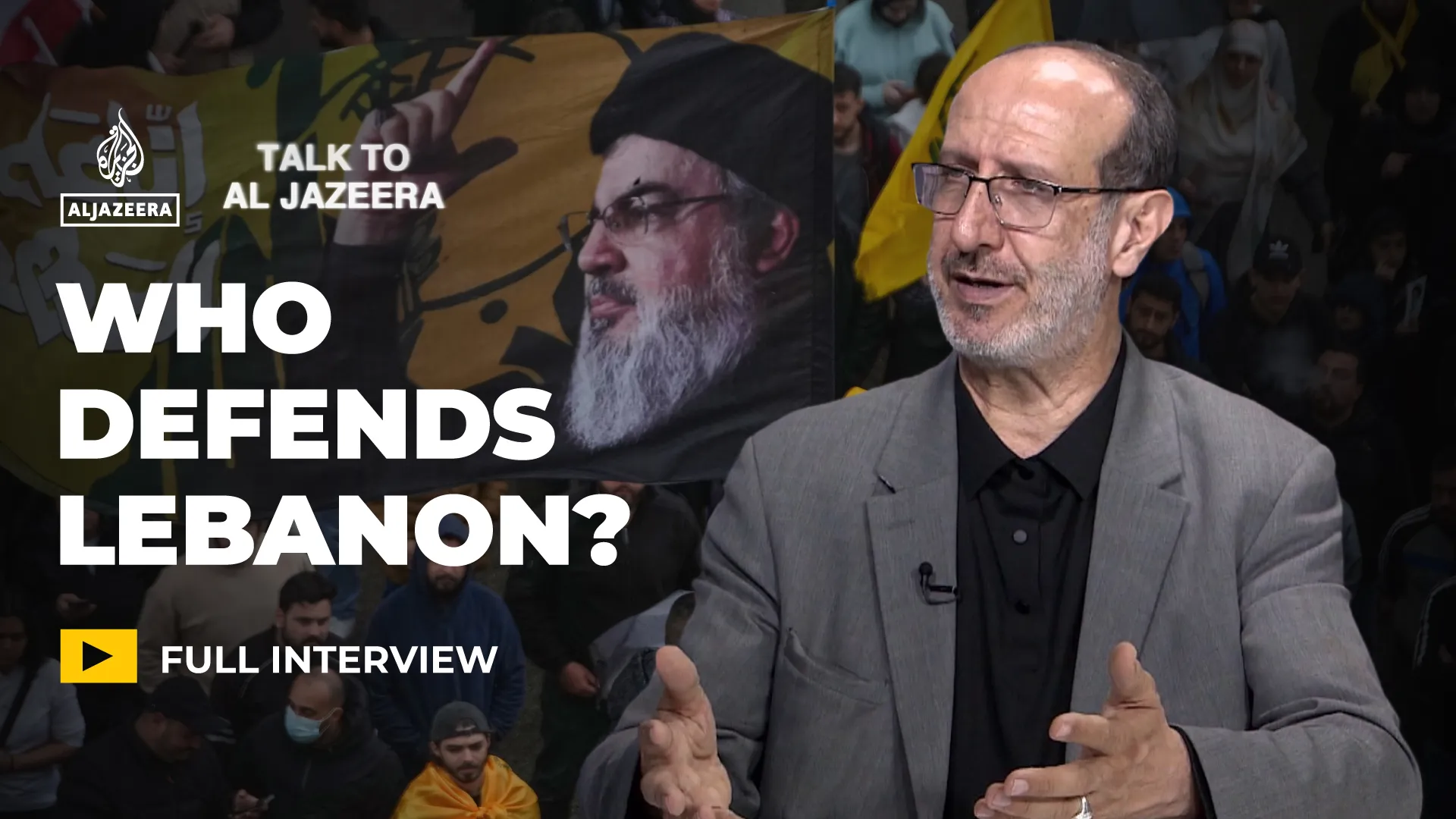
The ongoing political instability and deep institutional fragility within Lebanon prompt recurring debates about the nature of national defense. A prominent figure within a major political faction has strongly refuted claims suggesting their group undermines the formal Lebanese state. Instead, this viewpoint posits that the group’s sustained activities are a direct response to perceived failures by established governmental structures to safeguard the nation’s interests and its populace.
At the core of this argument is the assertion that diplomatic channels have proven inadequate against sustained external pressures, particularly concerning violations of Lebanese borders by neighboring powers. According to statements made regarding the nation’s security posture, the argument suggests that when the official state apparatus is unable to guarantee citizen safety or uphold recognized national boundaries, alternative forms of armed defense become a necessary operational reality. This narrative centers on the concept of self-preservation when formal governance mechanisms stall.
The Significance of Armed Non-State Actors in Lebanon’s Politics
The persistent influence of armed non-state actors introduces layers of complexity into Lebanon’s governance model. When significant armed groups operate with substantial domestic and regional influence, the lines between civil authority and military force become profoundly blurred. This structural reality means that policy decisions regarding matters of war, peace negotiations, and ultimate sovereignty are not confined to conventional governmental channels. Instead, they become subject to negotiation and influence among multiple, powerful domestic players.
The implication for international actors and regional powers is one of heightened unpredictability. Any major shift in Lebanese governance or regional stability must account for the vested military and political weight held by these factions. This means that any purported diplomatic settlement that does not address the security concerns and roles of these powerful internal actors risks being inherently incomplete or unsustainable in the long term.
Understanding the Context: Sovereignty and External Influence
This internal struggle for decision-making authority is set against a complex backdrop of geopolitical rivalries and historical interventions. The discussions inevitably touch upon the nature of Lebanon’s relationship with regional powers, including its ties to Iran, which forms a critical element in regional security calculations. Furthermore, the current fragile state of any ceasefire underscores a continuous underlying tension, suggesting a persistent state of readiness for conflict.
The debate, therefore, extends far beyond internal political squabbles; it speaks to the fundamental question of who ultimately holds the veto power over Lebanon’s destiny. While state institutions claim ultimate authority, the prevailing sentiment presented by some key political figures suggests that the protection of Lebanese sovereignty—especially in the face of sustained external violations—requires a defense mechanism operating outside traditional state frameworks.
About the Author