Navigating Political Volatility: Understanding Tensions in Pakistan-Administered Kashmir
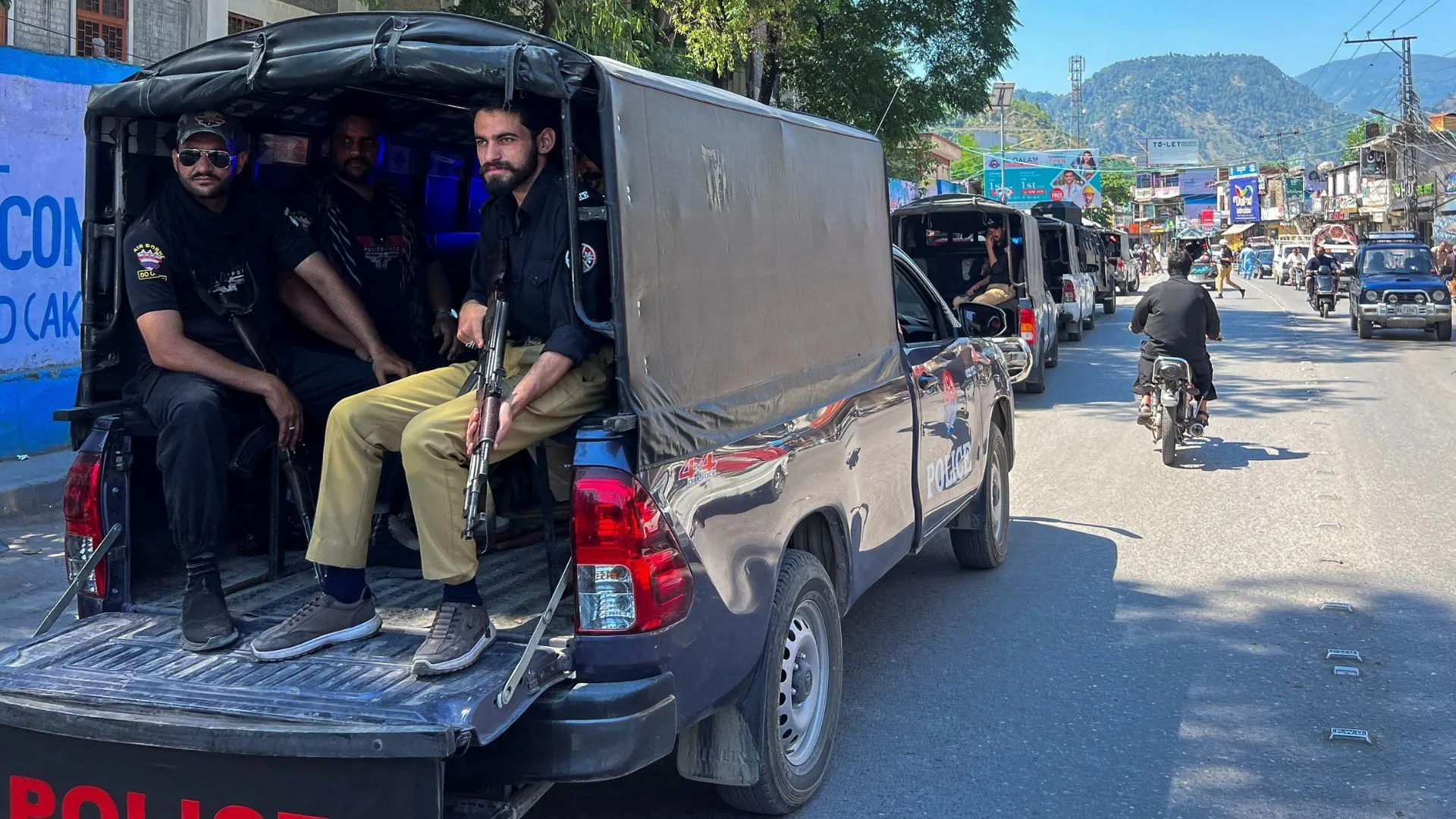
Tensions are resurfacing with significant intensity across Pakistan-administered Kashmir, marked by recent civil unrest and confrontations with law enforcement. These escalating clashes have resulted in casualties, pointing to a deep vein of unresolved political and governance issues within the region. The unrest is specifically linked to political mobilization efforts, notably involving groups organizing widespread demonstrations against perceived imbalances in regional power structures.
The core flashpoint revolves around a specific legislative arrangement that allocates seats intended for refugees hailing from India-administered Kashmir who currently reside within Pakistan-administered territory. Critics argue that this provision grants certain populations an outsized degree of political sway, thereby skewing the legislative balance of the region. Conversely, the governmental stance emphasizes that any alteration to such entrenched constitutional provisions requires a high degree of structural and legal overhaul.
The Underlying Stakes of Representation
The debate over proportional representation and regional autonomy has been a persistent element of the political landscape for years. The current flare-up suggests that the mechanism of political power distribution remains highly contentious. While some factions view the existing rules as an inequitable concentration of influence, the governing bodies point to the legal complexities involved, suggesting that fundamental changes cannot occur without extensive constitutional review and consensus. This dynamic creates a volatile environment where political aspiration clashes directly with established constitutional boundaries.
Implications for Regional Governance
The heightened instability raises critical questions about how local governance structures will manage rapidly escalating civil discontent. When deeply held grievances regarding political weight and representation ignite public action, the ability of regional authorities to maintain order while simultaneously addressing the root causes of dissatisfaction is severely tested. The situation underscores a persistent challenge: balancing the rights of specific demographic groups with the need for stable, unified political administration across the entire region.
Context of Political Discourse
Historically, issues of identity, constitutional status, and political representation have fueled recurring political debates in the region. The current atmosphere suggests a return to, or an intensification of, these long-standing discussions regarding self-determination and political equity. For observers of South Asian geopolitics, this unfolding scenario exemplifies the difficulty of achieving regional political consensus when foundational issues of historical migration and legislative power remain unresolved. Experts and political leaders are closely watching how the regional governing bodies navigate this cycle of protest and governmental response to determine the path forward for political normalization.
About the Author