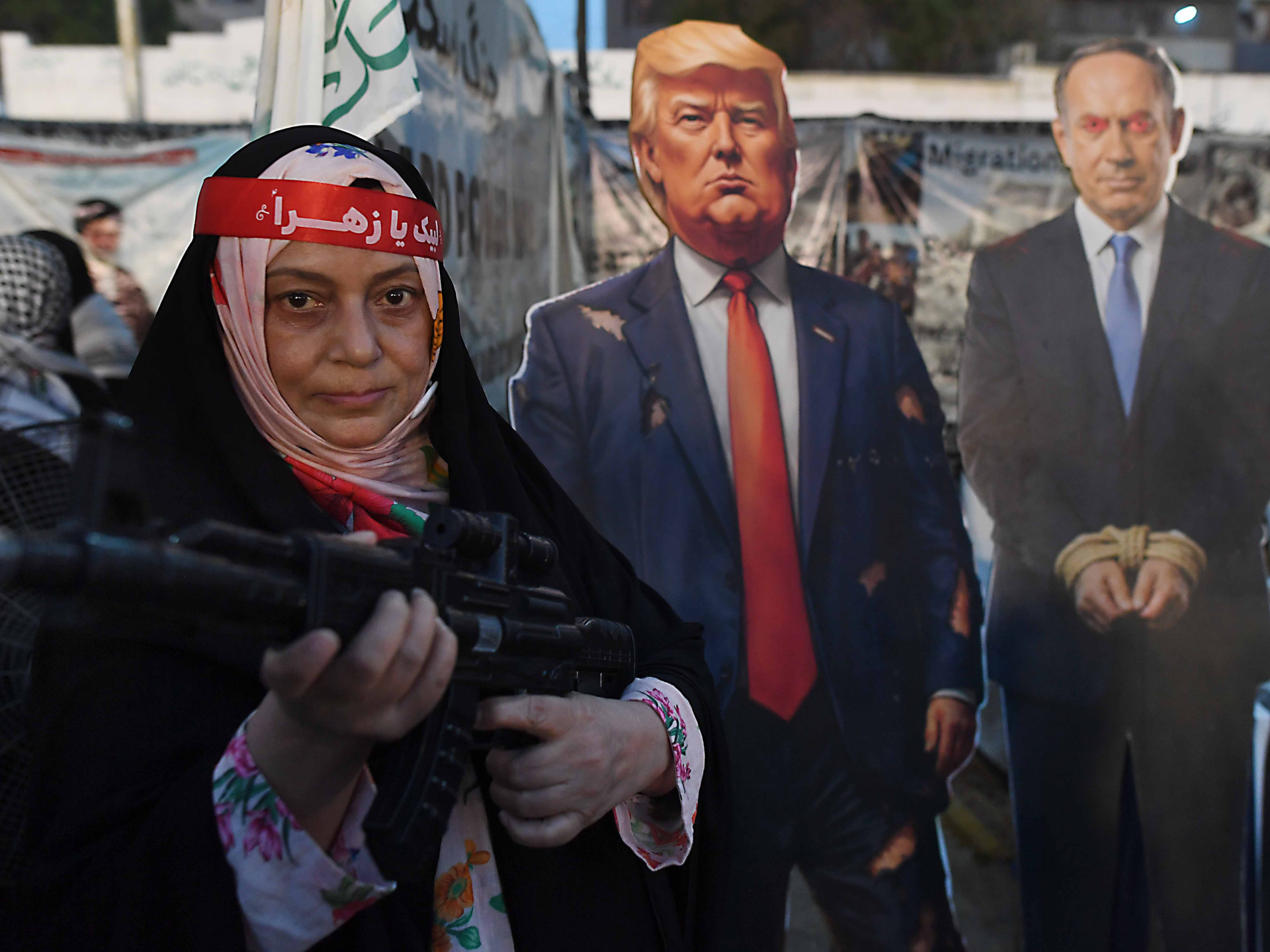
The Strategic Contradiction Facing Israel’s Leadership
Israeli political discourse suggests a strong, persistent appetite for resuming military confrontation with Iran. Despite efforts to stabilize the region and the implementation of recent ceasefires, influential figures within the Israeli establishment continue to promote the idea of renewed hostilities. This underlying sentiment points to a deep-seated view among some decision-makers that Iran represents an unavoidable, existential threat requiring a forceful response.
However, the feasibility of such an escalation appears heavily constrained by international realities. The role of the United States remains central to any major military action, suggesting that Israel’s capacity to independently initiate a significant conflict in the immediate future may be limited. This dependency on external backing creates a substantial hurdle for policymakers eager to pursue aggressive military options.
The Weight of Diplomacy Versus Domestic Opinion
The political calculus appears complicated by recent diplomatic maneuvering. High-level discussions between Israeli and American leaders regarding a cessation of hostilities suggest a prevailing international push toward de-escalation. This diplomatic trajectory stands in contrast to the more hawkish elements within Israeli society, which continue to generate talk of potential military strikes against key Iranian infrastructure. The tension between maintaining diplomatic stability and satisfying a public appetite for perceived security guarantees forms the core challenge.
Moreover, the cost of sustained conflict—both militarily and politically—is increasingly visible. Ongoing regional actions by Iran and the establishment of specific deterrence strategies have reportedly influenced external partners, potentially tempering the immediate willingness of key international backers to support a prolonged, resource-intensive confrontation.
Analyzing the Political Climate and Public Sentiment
Domestically, the recent agreements to halt fighting have not been universally received; indeed, some political opposition groups have framed the truce itself as a significant political setback. Opinion polling suggests that a substantial portion of the Israeli populace views a premature end to conflict as detrimental to national security interests. This reflects a deeply ingrained public narrative that has long characterized Iran as the primary antagonist.
Security cabinet meetings and public pronouncements continue to highlight the gravity of the threat posed by Tehran. However, experts suggest that while a consensus regarding the nature of the threat exists, the path forward is mired in strategic ambiguity. The challenge for Israeli leadership is reconciling the deeply held, almost historical, conviction regarding Iran as the ultimate adversary with the pragmatic constraints imposed by powerful allies and the immediate geopolitical landscape.
Contextualizing the Tension: The strategic calculus involves balancing perceived immediate threats against the enormous logistical and political costs of war. The necessity of continued international backing means that any push for war must navigate a highly scrutinized environment where even high-profile statements regarding future strikes are immediately subjected to scrutiny regarding their practical implementability.
About the Author




