Diplomatic Hurdles in Gaza: Assessing Hamas’s Reported Readiness to Disarm
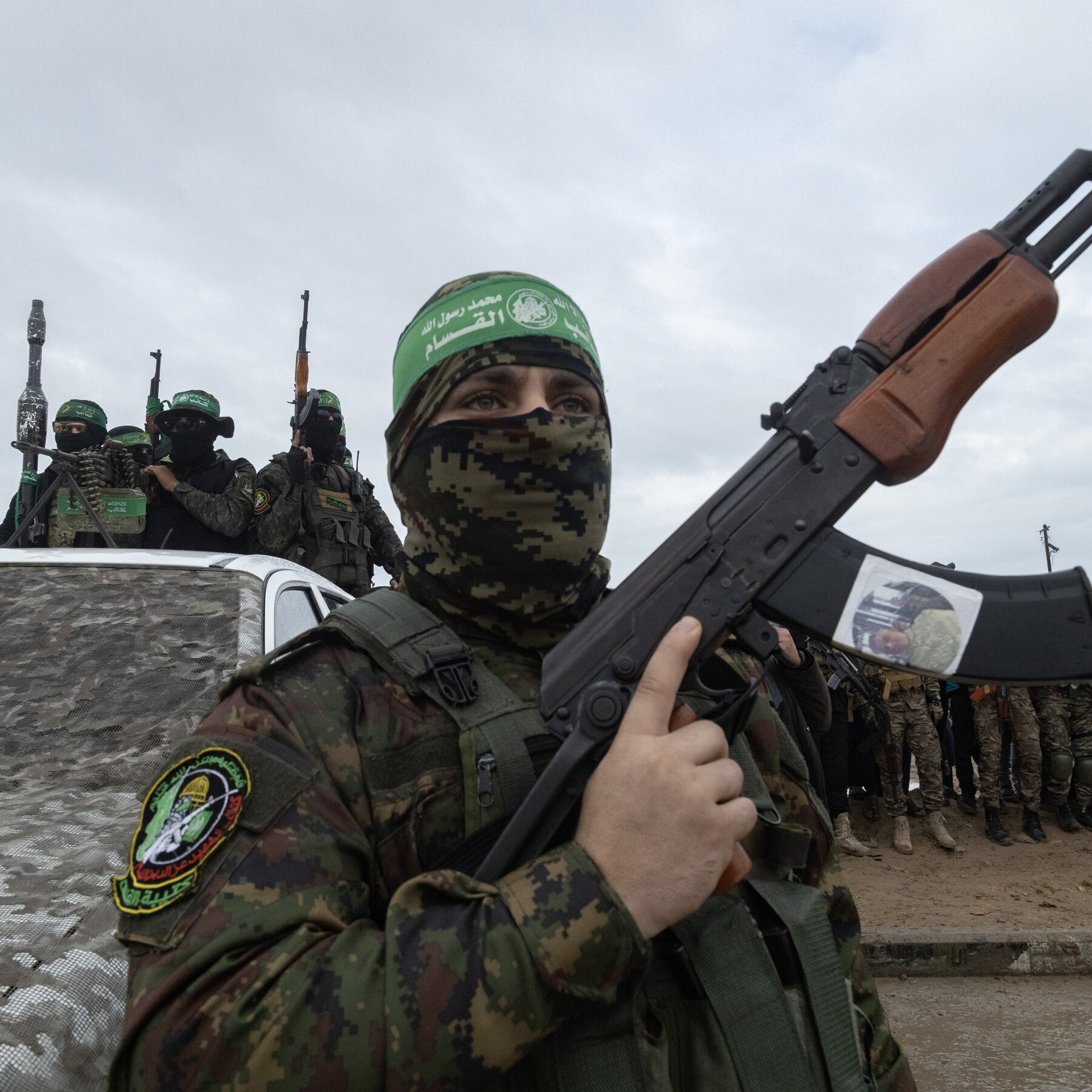
Recent statements emanating from key figures within Hamas suggest a potential shift in the group’s stance regarding weaponry. According to reports, senior Hamas representatives indicated a willingness to surrender certain categories of firearms, including some automatic rifles. This indication suggests an opening for dialogue focused on de-escalation and establishing tangible pathways toward a ceasefire or broader political resolution in the region.
However, experts and observers note that the proposed concessions appear to fall below the comprehensive benchmarks established by major international stakeholders, including those outlined by Israeli and United States authorities. While the willingness to relinquish specific hardware represents a notable development in negotiation dynamics, the scope of the potential disarmament remains a focal point of continued international scrutiny.
What This Means for the Conflict
The signals of potential arms handover are interpreted by analysts as a significant, albeit incomplete, step toward altering the current operational tempo of hostilities. For mediators, this suggests that the political calculus within Hamas might be shifting, making them more inclined to engage in material commitments that underpin a broader peace agreement. The perceived gap between these offered terms and the maximalist demands from global powers highlights the deep divergence of strategic interests that must be bridged before any comprehensive deal can take root.
The significance lies less in the actual rifles surrendered and more in the underlying message: the potential for phased, reciprocal concessions. Such a framework requires verifiable mechanisms for monitoring and guarantees of sustained commitment from all parties involved, transforming mere statements of intent into binding, actionable agreements.
Background and Context of the Negotiations
The push for disarmament and de-escalation has been a recurring feature of the broader diplomatic efforts surrounding the Gaza conflict. Historically, international negotiations have emphasized a comprehensive dismantling or sequestration of armed factions to ensure long-term stability. The existing framework of international calls has consistently demanded a systematic reduction of military capacity to rebuild civil governance structures.
The current reported readiness to hand over specific weaponry must be viewed within this demanding context. Achieving international consensus requires not just the voluntary transfer of arms, but the establishment of robust oversight mechanisms that prevent the rearmament or diversion of materiel in the future. Therefore, while the willingness to start the process is noteworthy, the sustained viability of any truce hinges on securing multilateral endorsements for verifiable disarmament protocols that cover all aspects of militant capability.
About the Author