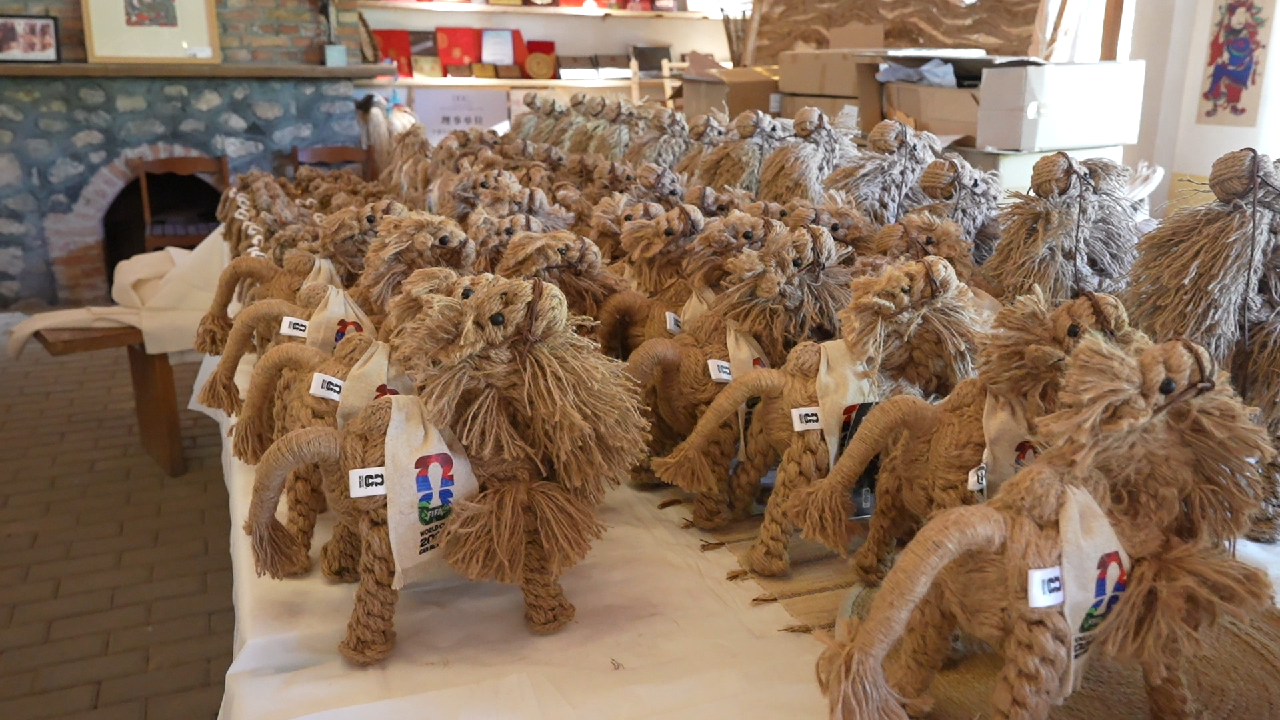
A deeply rooted artisanal tradition from Ningxia, China, is gaining an unexpected platform on the world stage. Centuries-old techniques surrounding hemp weaving have successfully bridged the gap between regional cultural heritage and the massive spectacle of international football. Artisans from the Ningxia Baniao Hemp Weaving group have had their intricate craftsmanship recognized by the organizing committee for the 2026 FIFA World Cup.
The incorporation of this weaving art into official tournament merchandise signals a notable effort to celebrate China’s cultural depth alongside its athletic ambitions. The featured designs, such as the ‘Fuwa Jubao,’ are not merely decorative items; they are narrative pieces. They draw significant thematic inspiration from *cuju*, the historical game that predates modern football and represents the foundational history of the sport in the region.
Significance of Cultural Integration in Global Sporting Events
The official adoption of local crafts for such a globally televised event carries considerable weight. It moves the perception of the handicraft from a mere local craft to a sophisticated piece of national cultural representation. By weaving symbols relating to historical sporting precursors, the textiles create a tangible narrative—a visual timeline connecting ancient recreational pursuits to the modern, professionalized game. This integration elevates the status of the weaving art, making it a point of cultural pride for the region represented.
Contextualizing the Artistry
Hemp weaving itself is a craft with deep historical roots, central to the identity of Ningxia. The process requires specialized knowledge passed down through generations, involving meticulous preparation of the raw materials and complex patterning techniques. When these hands-on skills are applied to commemorate a pinnacle global sporting event, it underscores the resilience of traditional Chinese craftsmanship. The pieces act as ambassadors, communicating not only artistic skill but also a continuum of cultural practices over time.
The Impact on Modern Craft Markets
For the artisans, having their work featured at a premier global fixture like the World Cup provides unprecedented visibility and legitimacy. It opens avenues for preservation by attaching high cultural value to the craft. Furthermore, it encourages broader domestic and international interest in sustainable, handmade goods, demonstrating that traditional practices can remain economically viable and culturally relevant in the face of mass-produced industrial merchandise. This collaboration solidifies a model where cultural preservation directly supports the global marketing narrative of a major international gathering.
About the Author