Papal Selection Sparks Discussion Over Pastoral Appointments and Immigration History
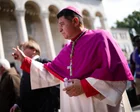
The Vatican has finalized the appointment of a new spiritual leader for the Diocese of West Virginia. In a move that has drawn public attention, the newly designated bishop, Evelio Menjivar-Ayala, brings with him a notable personal history. Reports indicate that prior to his current role, Menjivar-Ayala entered the United States under circumstances that involved circumventing established entry protocols.
This appointment comes following the acceptance of a resignation from the former bishop of the region. The decision by the papacy to place a leader with such a background into a prominent diocesan role has initiated considerable discourse within religious and civic communities alike. Observers are focusing not only on the theological merits of the appointment but also on the intersection of Church leadership and immigration policy.
What This Means for the Diocese
The elevation of Bishop Menjivar-Ayala signifies a particular direction for the Diocese of West Virginia. For many within the Catholic community, the selection suggests a focus on pastoral care that may resonate with diverse segments of the congregation, perhaps reflecting a broader embrace of immigrant communities or those navigating complex personal histories. The administrative transfer of leadership requires a period of adjustment, where the new bishop will establish his vision while working with existing diocesan structures and clergy. The public nature of the selection has immediately positioned the bishop as a figure whose past may inform his future ministry.
Context of the Appointment
The process culminated after the Vatican formally approved the resignation of the outgoing bishop. Such appointments are significant administrative acts within the Church, requiring careful consideration of pastoral suitability, canonical law, and the needs of the local faithful. The background of the appointed bishop, particularly his documented history of arriving in the country without prior authorization, has become a focal point for commentators. This situation places the appointment within a larger, ongoing public conversation regarding immigration enforcement and the Church’s pastoral response to migrant populations.
This unfolding situation highlights the intersectionality of governance—the confluence of religious authority, national border policy, and diocesan administration. The focus shifts now to how Bishop Menjivar-Ayala will integrate his personal narrative and professional mandate into the day-to-day life and mission of the West Virginia Diocese.
About the Author