Survival Against the Elements: Pilot’s Skill Saves Passengers After Atlantic Aircraft Mishap
A routine inter-island flight across the Bahamas unexpectedly turned into a harrowing survival ordeal when an aircraft experienced multiple mechanical failures. The pilot, who had extensive flying experience, was forced to execute an emergency ditching into the Atlantic Ocean. This last-resort maneuver was undertaken after the plane became unable to safely reach any designated landing area, leaving the pilot and the remaining passengers stranded far offshore.
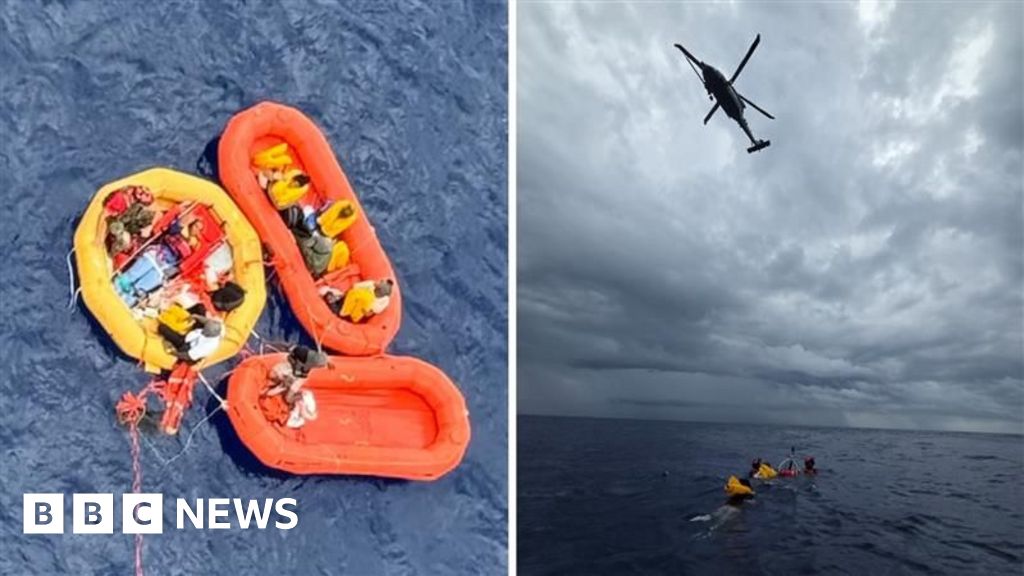
What began as a straightforward transit between two Bahamian islands quickly dissolved into a sequence of crises. The aircraft suffered failures involving crucial navigation and radio systems, culminating in the loss of both engines. Realizing the danger and the lack of immediate support, the pilot made the critical decision to ditch the plane in open water, approximately 175 miles north of the Florida coast. The immediate aftermath was a prolonged wait on a life raft for rescue to arrive.
The rescue operation itself was a race against time, requiring coordination from multiple agencies. Initially, the distress call prompted the US Coast Guard to launch a search, which subsequently diverted a specialized unit—the 920th Rescue Wing of the US Air Force—from a scheduled training mission. After several hours enduring the harsh conditions, the survivors were finally located, showcasing a remarkable testament to resilience in the face of extreme adversity.
The Significance of Preparedness in Crisis
This incident underscores the absolute critical nature of pilot training, emergency procedures, and robust rescue infrastructure. The pilot’s ability to manage multiple system failures sequentially and execute a controlled ditching, despite the immense pressure, was pivotal to the survival of all aboard. Furthermore, the rapid mobilization of specialized rescue teams highlights the effectiveness of modern distress communication protocols, which successfully pinpointed the exact location of the stranded group.
Context of Offshore Aviation Risks
Flying over vast bodies of water presents unique and inherent risks that differ significantly from operations over land. Factors such as unpredictable weather patterns, communication black spots, and the sheer distance from supportive infrastructure necessitate highly trained personnel and meticulous equipment checks. The entire event serves as a stark reminder that even seemingly routine aviation travel carries the potential for catastrophic failure, making swift and expert decision-making the ultimate determinant of survival.
About the Author