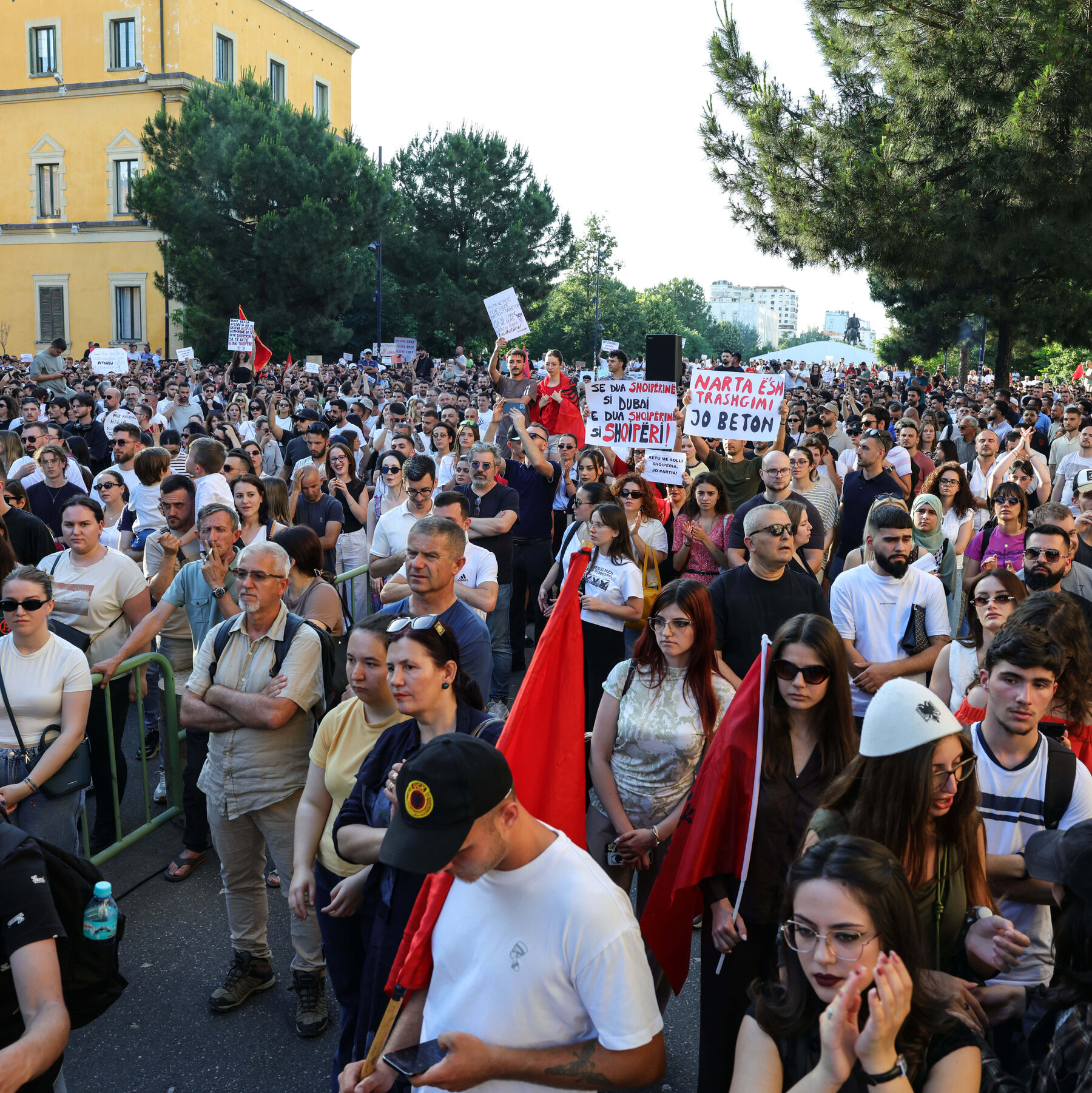
Environmental Concerns Fuel Escalating Protests Against Adriatic Development Plans in Albania
Concerns over rapid, large-scale development along Albania’s valuable Adriatic coastline have reached a fever pitch, transforming local environmental anxieties into significant public demonstrations. The proposed construction of luxury resorts and major real estate projects is no longer viewed merely as an economic endeavor, but as a critical flashpoint reflecting deeper public dissatisfaction with governance and environmental oversight.
What began as focused resistance against specific building plans has expanded into a broader critique of the governing structure. Activists and concerned citizens argue that the prioritization of lucrative, foreign-backed development over the preservation of natural ecosystems signals a systemic problem with regulatory enforcement. The issue has thus become a symbol for wider discontent regarding resource management and accountability within the country’s administrative processes.
The Underlying Struggle: Economy Versus Ecology
The core tension revolves around the balance between necessary economic growth and the sustainable protection of natural heritage. Advocates for development point to the necessity of tourism revenue to stimulate jobs and modernize infrastructure. Conversely, environmental groups emphasize the irreplaceable value of the Adriatic’s natural state, arguing that unchecked construction threatens biodiversity, increases coastal vulnerability, and degrades the quality of life for long-term residents.
The focus on projects associated with key political figures has galvanized opposition, leading to protests that demand greater transparency. Demonstrators are calling for a fundamental shift in development policy, suggesting that sustainability guidelines must be legally prioritized over the immediate financial gains offered by high-end tourism infrastructure. These protests underscore a growing public demand for governance that integrates ecological safeguards into its economic planning from the outset.
Significance for Albanian Policy
The ongoing unrest signals a critical juncture for environmental policy in Albania. If the protests maintain momentum, authorities may be forced to reassess the speed and scale of approvals for coastal construction. The public outcry suggests that environmental impact assessments (EIAs) must become more rigorous, publicly accessible, and genuinely advisory rather than merely procedural hurdles. Successfully navigating this conflict will require policymakers to build a degree of public trust by demonstrating a genuine commitment to stewardship, moving beyond superficial approvals for large-scale projects.
Context of Coastal Development
Historically, coastal regions across the Balkans have faced similar pressures as economies mature and integrate into global tourism markets. In Albania’s context, the appeal of its stunning Mediterranean coastline draws massive investment, creating powerful economic incentives. However, this very draw has historically preceded periods of environmental strain. The current wave of activism highlights a growing national realization that the sustainable management of natural assets must be institutionalized to prevent irreversible ecological damage while still capitalizing on the potential of the tourism sector.
About the Author




