Health Authorities Assess Potential Outbreak Concerns Following Reports from Congo
Concerns are mounting among international health experts regarding a significant public health risk emanating from the Democratic Republic of Congo. Reports circulating about a potential Ebola outbreak have prompted immediate attention from regional health organizations. The situation demands a swift and thorough international assessment, given the severity of the pathogen and the potential for rapid transmission within communities.
Initial assessments from African health bodies suggest a worrying scale, indicating multiple fatalities and a considerable number of suspected infections. The lack of earlier notification regarding such a serious biological event is a point of serious concern raised by many medical professionals. This perceived delay raises questions about surveillance capabilities and the speed of public health responses in the region.
Significance of the Current Situation
The potential emergence or escalation of an Ebola outbreak carries profound implications for both the local population and global health security. Ebola Virus Disease (EVD) is known for its high fatality rate and the difficulty in containing outbreaks once community transmission begins. Therefore, any confirmed outbreak necessitates an immediate, large-scale mobilization of resources, including specialized medical teams, quarantine facilities, and advanced epidemiological tracking. The urgency lies not only in managing current cases but also in preventing further spread across bordering areas.
Understanding Ebola and Outbreak Response
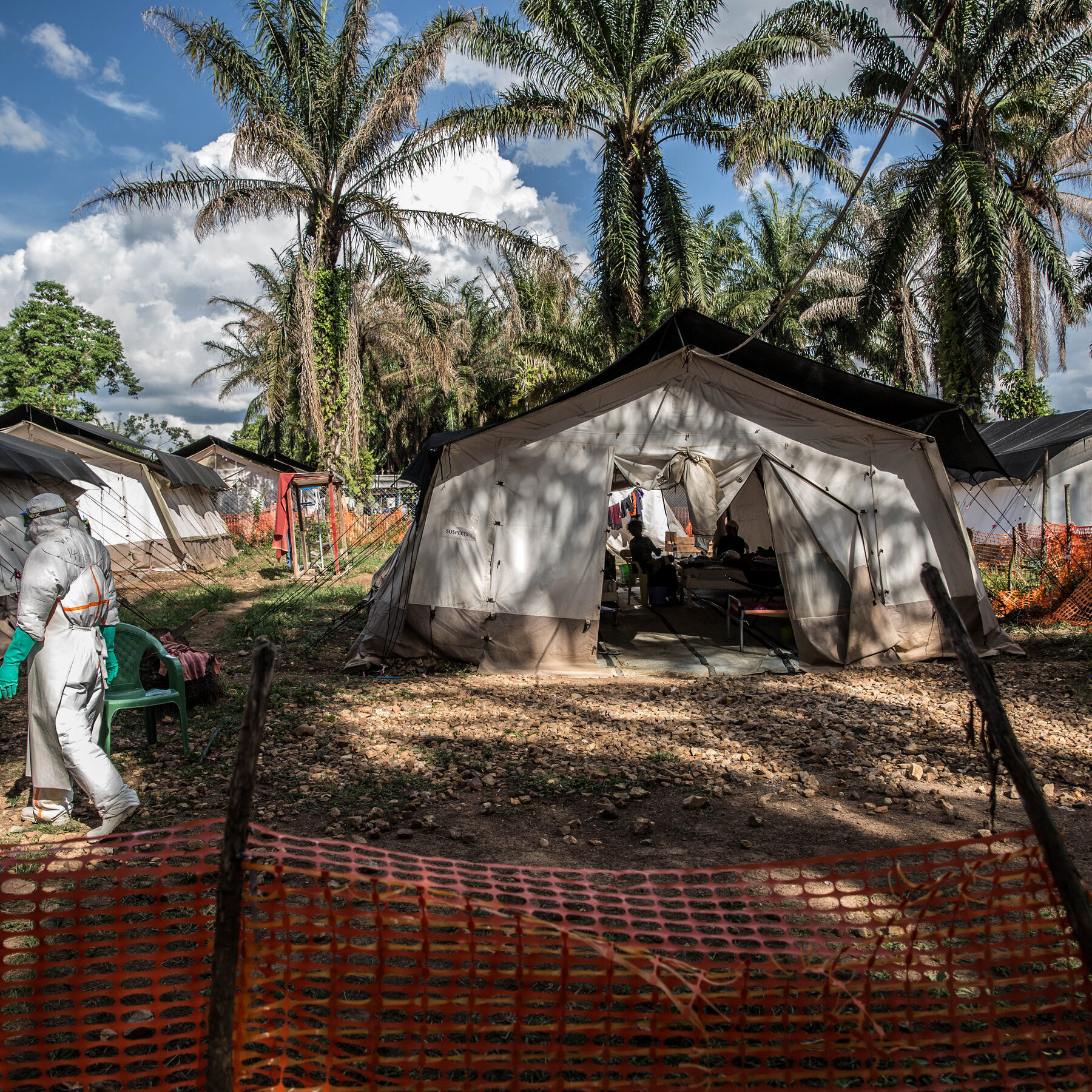
Ebola outbreaks are typically managed under rigorous international protocols, requiring the establishment of dedicated treatment centers and strict contact tracing. Historically, the effectiveness of these protocols hinges on early detection. When cases are identified late, the virus has already had a window to establish more robust chains of transmission within the affected area. International bodies emphasize the critical importance of robust early warning systems to mitigate the impact on both healthcare infrastructure and community stability.
Furthermore, the management of such outbreaks is not purely medical; it involves significant logistical, social, and governmental coordination. Public trust, accurate communication, and the equitable distribution of medical supplies are as crucial as the vaccines or treatments themselves. The current heightened level of alert underscores the complex, multi-faceted challenge inherent in responding to high-consequence pathogens in complex operational environments.
About the Author