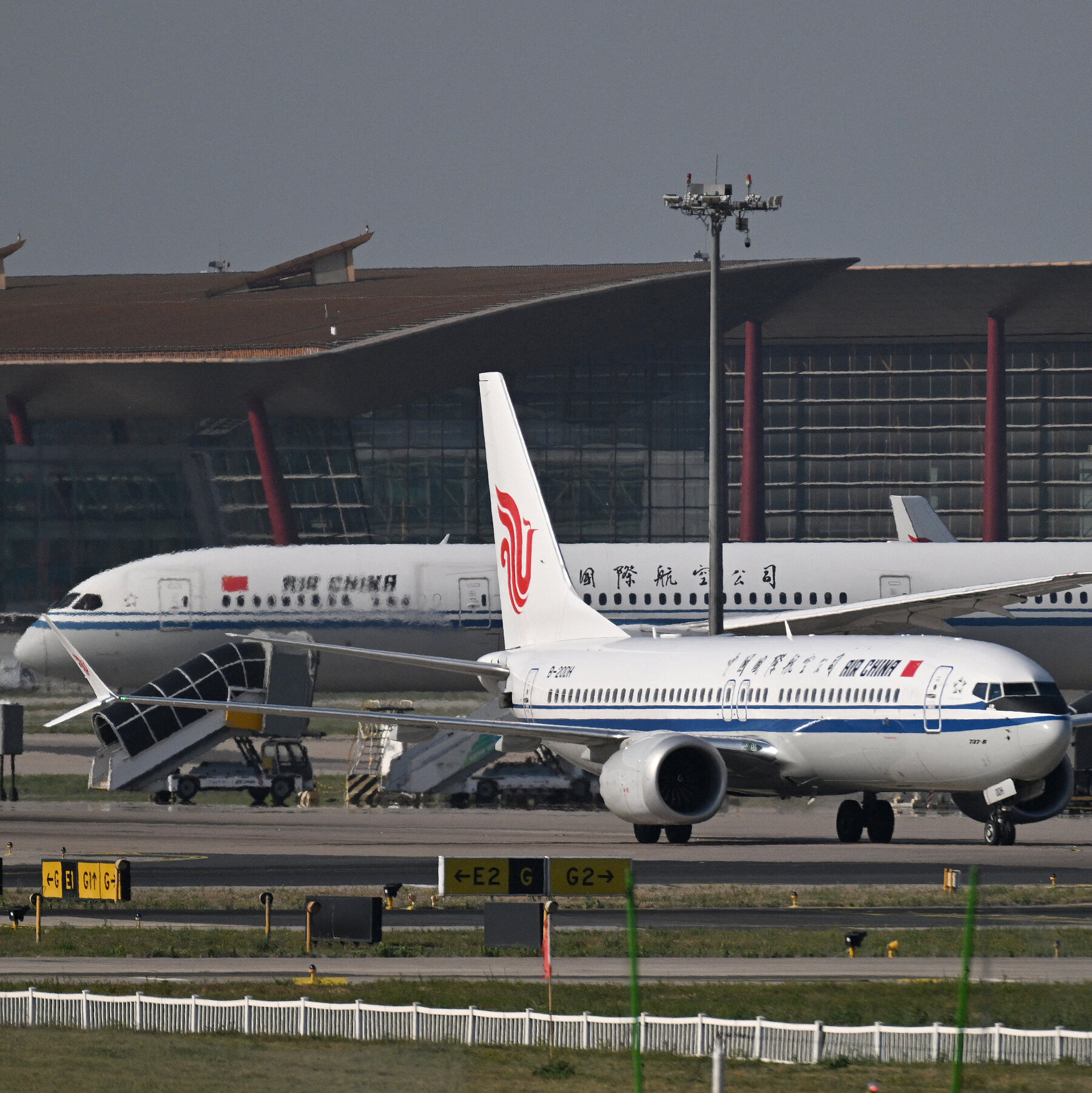
Geopolitical Airwaves: Potential Chinese Order Signals Shift in Global Aircraft Market Power Dynamics
The potential acquisition of a major aircraft order from the People’s Republic of China by Boeing has emerged as a significant development in the highly competitive global aerospace industry. Should this deal move forward, it represents more than just a contract; it signals a crucial potential turning point for the American aerospace giant. Boeing has faced mounting competitive pressure, particularly within the massive and strategically vital Chinese aviation sector, where market share has become a key point of international interest.
This purported commitment to a substantial purchase by Chinese carriers could provide a massive lifeline for the manufacturer, helping to stabilize revenue streams and bolster its position against key international rivals. The market has been keenly watching this development, as securing a large-scale commitment from China would materially alter the competitive landscape that has seen international rivals gain significant ground in years past.
Significance for the Industry Landscape
The implications of such an order extend far beyond the immediate financial balance sheets of the involved corporations. For Boeing, securing reliable, large-volume business from one of the world’s largest aviation consumers is paramount to its long-term strategic planning and profitability. Conversely, the global aviation market—a multi-trillion-dollar ecosystem—is always watching the allegiance of major state-linked carriers. A significant influx of orders stabilizes confidence in the aircraft manufacturer’s product line and future production capacity.
The broader global narrative surrounding aerospace competition is characterized by intense rivalry between major industry players. Any substantial win, especially from a market as large and complex as China, is interpreted by analysts as a strong positive indicator regarding the airframe manufacturer’s product resilience and global appeal. It suggests a potential recapture of market leadership in at least one of the world’s most lucrative aviation hubs.
Navigating the Diplomatic Undertones
Adding a layer of complexity to the business aspect are the diplomatic undercurrents. While the business deal itself is highly valuable, the relative silence emanating from official sources in Beijing has drawn considerable attention. In geopolitical reporting, a lack of public comment on such a high-stakes trade agreement often prompts deeper analysis regarding the timing, strategic priorities, and underlying commercial dynamics at play within the region’s governmental and industrial spheres. This quiet approach contrasts sharply with the overt announcements characteristic of other major economic dealings.
Context of Global Aviation Competition
The current global aviation industry operates in a dynamic environment marked by rapid technological advancement, shifting passenger travel demands, and intense geopolitical trade relations. Manufacturers are constantly battling to keep pace with evolving customer needs, whether they involve fuel efficiency, passenger capacity, or advanced digital integration into the aircraft systems. The competitive dynamic generally involves manufacturers vying for fleet modernization contracts globally. Any major order, regardless of the final details, is a tangible metric used to gauge which manufacturer—American, European, or others—is currently best positioned to meet the demanding requirements of national and international airlines alike.
About the Author




