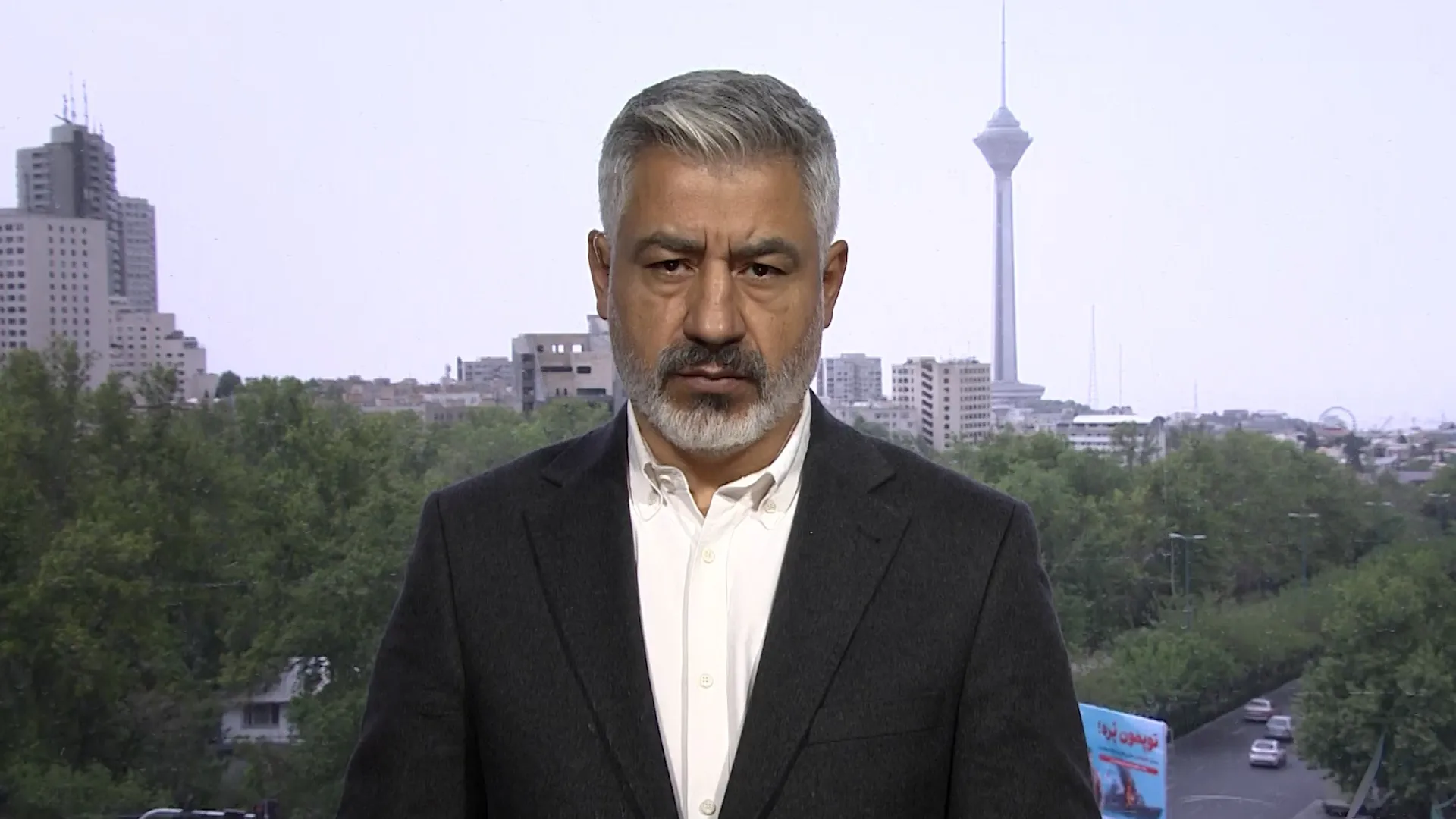
Heightened diplomatic tensions persist in the Middle East following reports of an incident involving an oil refinery in the United Arab Emirates. In response to accusations suggesting that Iran was responsible for launching missiles and drones targeting the facility, officials from Tehran have issued statements that reportedly neither confirm nor deny any involvement. These communications from high-ranking Iranian diplomatic and military figures have only served to deepen the already volatile regional atmosphere, leaving analysts to interpret the true nature of the recent exchanges.
The statements emanating from Iranian sources provide a complex narrative, characterized by careful diplomatic ambiguity. Rather than offering a direct admission or a firm rebuttal to the allegations, the remarks serve to complicate the understanding of responsibility. Observers note that the vagueness surrounding Tehran’s stance suggests a calculated approach to managing a deeply contentious geopolitical flashpoint, balancing potential international fallout against the perceived need to address external accusations.
This developing situation underscores the precarious state of relations between key regional powers. When accusations of significant infrastructure damage—such as an oil refinery fire—are made, the response from the accused party becomes a critical barometer for de-escalation efforts. The measured, non-committal tone adopted by Iranian representatives suggests that, for now, the focus remains on verbal posturing rather than immediate, clear-cut operational accountability.
What This Means: Escalation Risk and Diplomatic Maneuvering
The immediate significance of these statements lies in the maintenance of high alert levels across the region. By refusing to confirm or deny the attacks, Iran avoids triggering a definitive international crisis while simultaneously engaging in a form of diplomatic signaling. This ambiguity can be interpreted in several ways: it may be a strategic delaying tactic, a way to force external parties into making stronger claims, or a method to shield leadership from immediate accountability. For energy markets, the uncertainty surrounding regional stability introduces inherent risk premiums, directly impacting the pricing and flow of oil and related commodities.
Furthermore, the dynamic creates intense pressure on regional security bodies. International actors and neighboring states are forced to navigate a tightrope walk, balancing support for stability with the need to address the evident escalation of confrontational rhetoric. The lack of concrete details or verifiable admissions makes it exceptionally difficult for mediators or global powers to establish a clear pathway toward de-escalation or to determine fault definitively.
Context of Regional Rivalry
This incident does not occur in a vacuum; it must be viewed against the backdrop of long-standing strategic and ideological competition within the Arabian Gulf and broader Middle East. Various nations maintain competing influences, historical grievances, and differing alignments concerning regional economic lifelines, particularly the vital maritime trade routes and energy infrastructure. Past episodes of confrontation have established a pattern where rhetoric often precedes, or accompanies, physical tension. Any alleged attack against critical infrastructure, such as an oil facility, automatically raises the stakes to a level that demands immediate, high-level international scrutiny, irrespective of the immediate statements issued by the involved parties.
About the Author




