International Rescue Mission Highlights Hidden Dangers of Informal Gold Mining
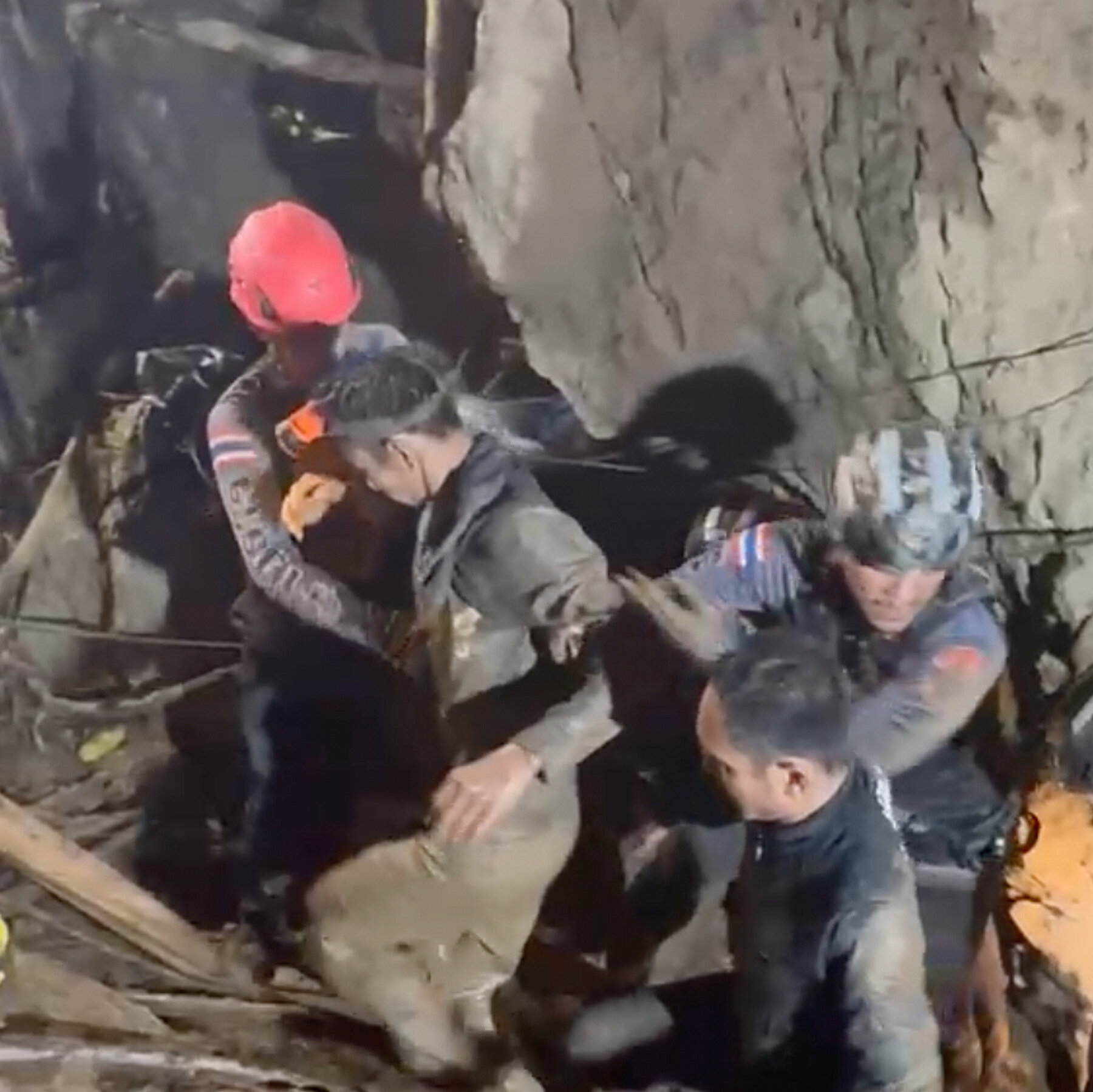
The recent extraction of one of several gold miners from a challenging cave system in Laos has drawn significant global attention to the often-unseen dangers associated with informal mineral extraction across the region. This high-stakes rescue operation provided a stark, real-time look into the working conditions and inherent perils faced by artisanal miners who rely on these supplementary incomes.
The incident underscores a broader socio-economic issue: the prevalence of small-scale, unregulated mining operations. For many local communities, the prospect of panned gold represents an economic lifeline, offering earning potential that significantly outpaces the wages available through formal labor sectors. However, the necessity of accessing these resources often forces individuals into dangerous, poorly regulated environments, such as remote caves and unstable shafts.
What This Means: A Call for Safety and Regulation
The spotlight shone by this rescue effort is forcing a conversation about governance and labor protections within the artisanal mining sector. When rescue teams undertake complex operations in confined spaces, the immediate focus is on survival—rescue, medical aid, and evacuation. Yet, the background context reveals systemic vulnerabilities. These informal mining sites often lack basic safety infrastructure, proper ventilation, or reliable emergency exits, placing miners in constant jeopardy.
From an international development and human rights perspective, the situation highlights a gap between economic necessity and established safety protocols. While the gold recovered is crucial for local livelihoods, the methods used to obtain it frequently involve risks of cave-ins, toxic exposure, and entrapment. Experts suggest that any sustainable model must reconcile the immediate need for income with the critical need for enforceable safety standards.
Context of Informal Mining Economies
Informal mining represents a complex economic reality in many developing nations. It is not simply illicit; for those involved, it is often the most viable economic pathway. The allure of gold, an asset with global demand, acts as a powerful magnet, drawing people into the industry regardless of the associated risks. Because these operations fall outside formal governmental oversight, they escape the typical regulations applied to larger, industrialized mining concerns.
The rescue itself became a significant focal point for observing these dynamics. International assistance, necessitated by the trapped miners’ inability to self-rescue, brought advanced techniques and resources to bear on the site. This visible effort inadvertently put the operational structure of these underground networks under intense scrutiny, leading to renewed dialogue among policymakers and aid organizations regarding responsible resource management and community empowerment alternatives to dangerous extraction work.
About the Author




