Election Integrity Under the Microscope: Cases of Illegal Voting and Policy Disputes
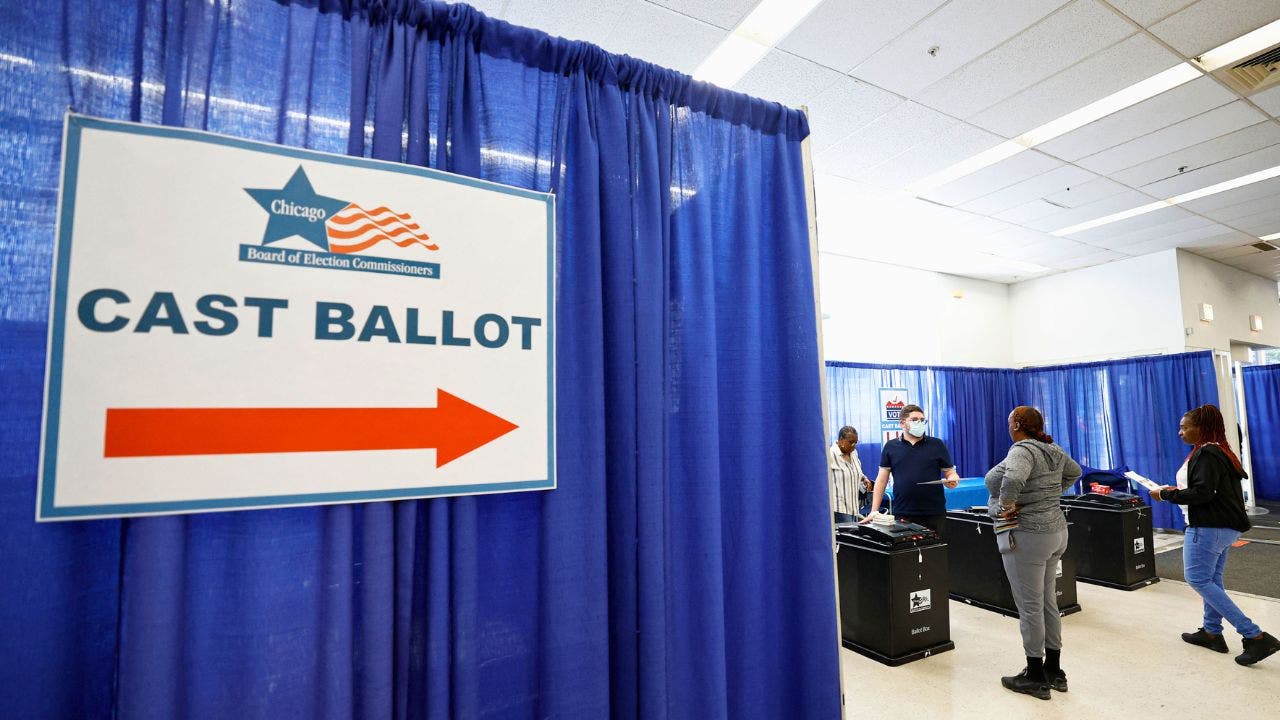
Recent legal actions have brought renewed focus to the protocols governing voting eligibility, highlighted by the charging of foreign nationals who allegedly cast ballots in various elections. These cases underscore ongoing questions regarding accurate voter registration and adherence to citizenship requirements in American voting processes. Furthermore, the conversation around election security is paralleled by significant policy debates concerning federal law enforcement authority and state government responsiveness.
The focus on individual violations has surfaced alongside a broader ideological rift regarding governance structures. In one area, proposals have been advanced that seek to redefine intergovernmental cooperation, suggesting potential limitations on the roles and powers of federal agents working with local police departments. These proposed shifts have prompted immediate criticism from established law enforcement professionals who caution that such changes could undermine decades of successful, cooperative intelligence gathering.
The Implications of Non-Citizen Voting
The incidents involving individuals who lacked citizenship but participated in casting votes signal a critical need for stringent verification measures at the point of voter registration. When non-citizens attempt to participate in multiple elections over many years while misrepresenting their legal status, it complicates the integrity of the electoral record. Such patterns of activity necessitate robust enforcement to maintain public confidence in the fairness of the democratic process.
These legal developments emphasize that maintaining voter rolls requires not only administrative rigor but also clear communication of legal obligations for all residents. The focus remains on ensuring that every ballot cast accurately reflects the legal eligibility of the individual casting it.
Balancing Authority and Cooperation
Beyond individual voting infractions, the larger political climate involves discussions about the appropriate scope of federal versus state power in law enforcement. Certain policy recommendations are suggesting ways to decrease direct federal involvement and empower state jurisdictions with greater autonomy. While proponents argue this decentralization strengthens local control, critics point out that law enforcement mechanisms often rely on established, multi-agency partnerships to tackle complex issues effectively. Altering these long-standing collaborative frameworks, opponents warn, could weaken the ability to investigate serious crimes efficiently.
Context of Current Debates
The discussions around voting eligibility and law enforcement structure occur within a heightened environment of political tension. These simultaneous narratives—one centered on the mechanics of individual voting misconduct, the other on the architecture of federal power—reflect a deep-seated debate over the proper balance of authority in the modern American governance landscape. Official statements and subsequent legal charges serve to keep these complex issues at the forefront of public and legislative discussion, demanding careful navigation from all levels of government.
About the Author